Natural England’s recent webinar focused on the growing importance of green infrastructure (GI) in urban areas, highlighting new tools and policies to integrate nature into urban planning. Here’s a summary of the insights shared by leading experts.
Alan Law, Chief Officer for Strategy, Natural England
Alan Law discussed the government’s focus on balancing economic growth, housing development, and infrastructure investment with nature conservation. He emphasised that equitable access to nature is a right, and the Green Infrastructure (GI) Framework is a crucial tool to help planners incorporate nature into urban areas.
New legislation like the Biodiversity Net Gain (BNG) and conservation covenants will further ensure nature-positive outcomes in development.
Joanna Averley, Chief Planner, MHCLG
Joanna Averley provided an update on the National Planning Policy Framework (NPPF), highlighting the importance of integrating GI into strategic planning. She cited the Houlton development near Rugby as a model for incorporating green spaces and achieving significant biodiversity gains. The growing demand for nature-rich environments underscores the need for green infrastructure in residential planning.
Jane Houghton, Project Manager, GI Framework, Natural England
Jane Houghton introduced the GI Framework as a resource to help local authorities implement high-quality green infrastructure. She highlighted tools like the Environmental Benefits from Nature tool and the statutory BNG calculator, which assist in planning and calculating the benefits of GI.

Dr Nick White, Principal Advisor, Natural England
Dr Nick White focused on BNG, which requires a 10% biodiversity improvement in urban developments, secured for at least 30 years. He stressed the importance of collaboration between designers, developers, and local authorities to maximise the impact of GI, highlighting that simple, resilient designs can be cost-effective and beneficial.
James Scott, Group Director, Urban & Civic
James Scott discussed the challenges and benefits of integrating GI, especially in urban and brownfield sites. He noted that although these projects can be more expensive, the long-term benefits, such as urban cooling and enhanced biodiversity, make them worthwhile. GI is becoming a standard part of urban development.
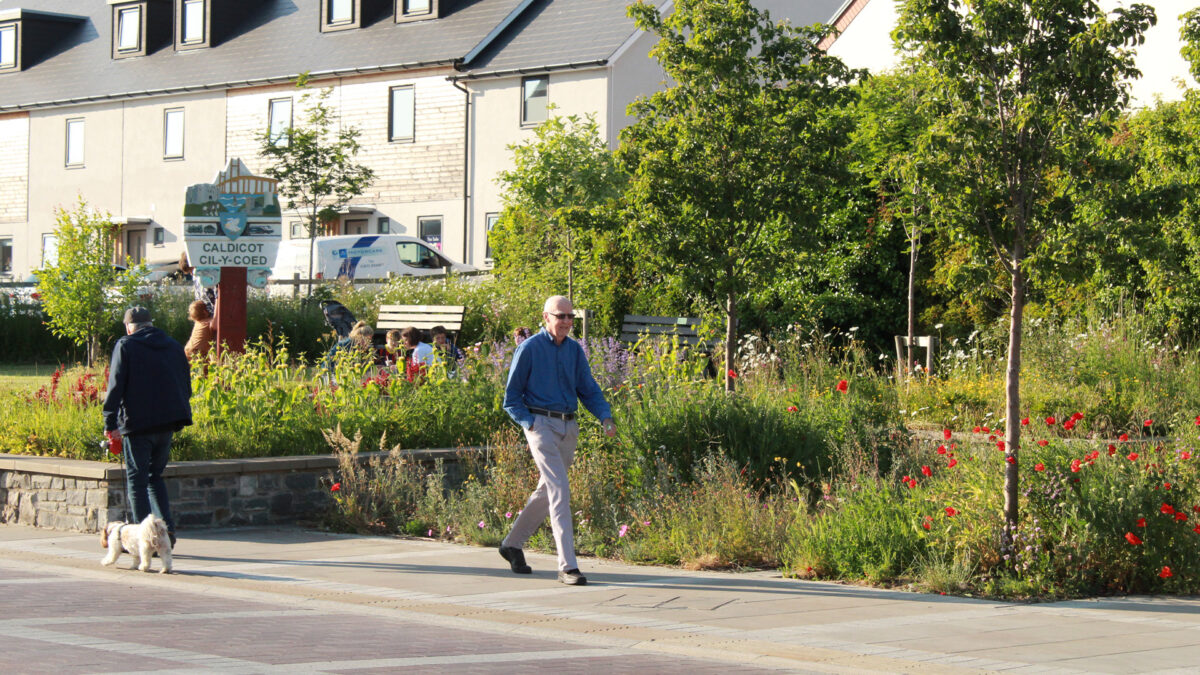
Alan Law addressed the need for equitable access to green infrastructure across the UK. Cities like Cardiff and London are leading the way, but a more consistent national approach is needed. The upcoming Planning and Infrastructure Bill aims to address this, ensuring that investment reaches the most needy areas.
Next Steps: NPPF Consultation and Implementation
Gemma Huett, Head of Environment, urged participation in the NPPF consultation before the September 24th deadline to ensure policies reflect the need for accessible, walkable green spaces. Natural England will continue supporting local authorities with free training, guidance, and tools to implement green infrastructure effectively.
The “Greener Towns and Cities” webinar underscored green infrastructure’s critical role in shaping future urban development. With new tools, legislation, and collaboration, the UK is poised to create healthier, more resilient cities where nature is at the heart of community planning.
Be sure to participate in the National Planning Policy Framework consultation before September 24th to influence the future of green infrastructure in your community.