
Modular bioretention rain garden system for urban surface water management
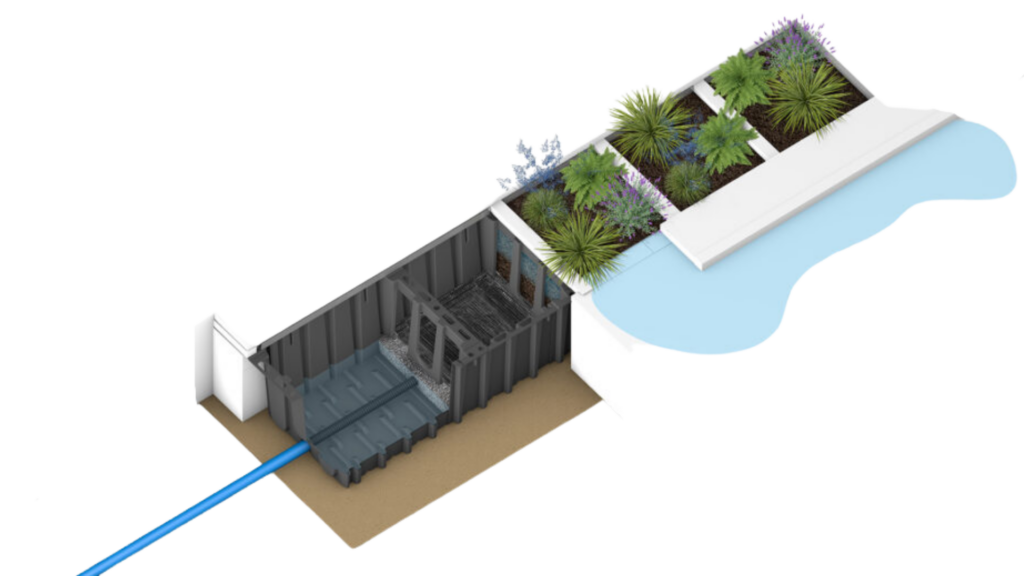
HydroPlanter is a modular bioretention rain garden system designed to provide surface water management, planting and amenity within a single piece of urban infrastructure.
As a plug-and-play SuDS solution, HydroPlanter helps attenuate and cleanse stormwater while creating biodiverse planted spaces within streets, public realm and development environments.
Its scalable modular design simplifies specification, installation and construction, allowing schemes to be adapted to different catchment areas and site constraints.
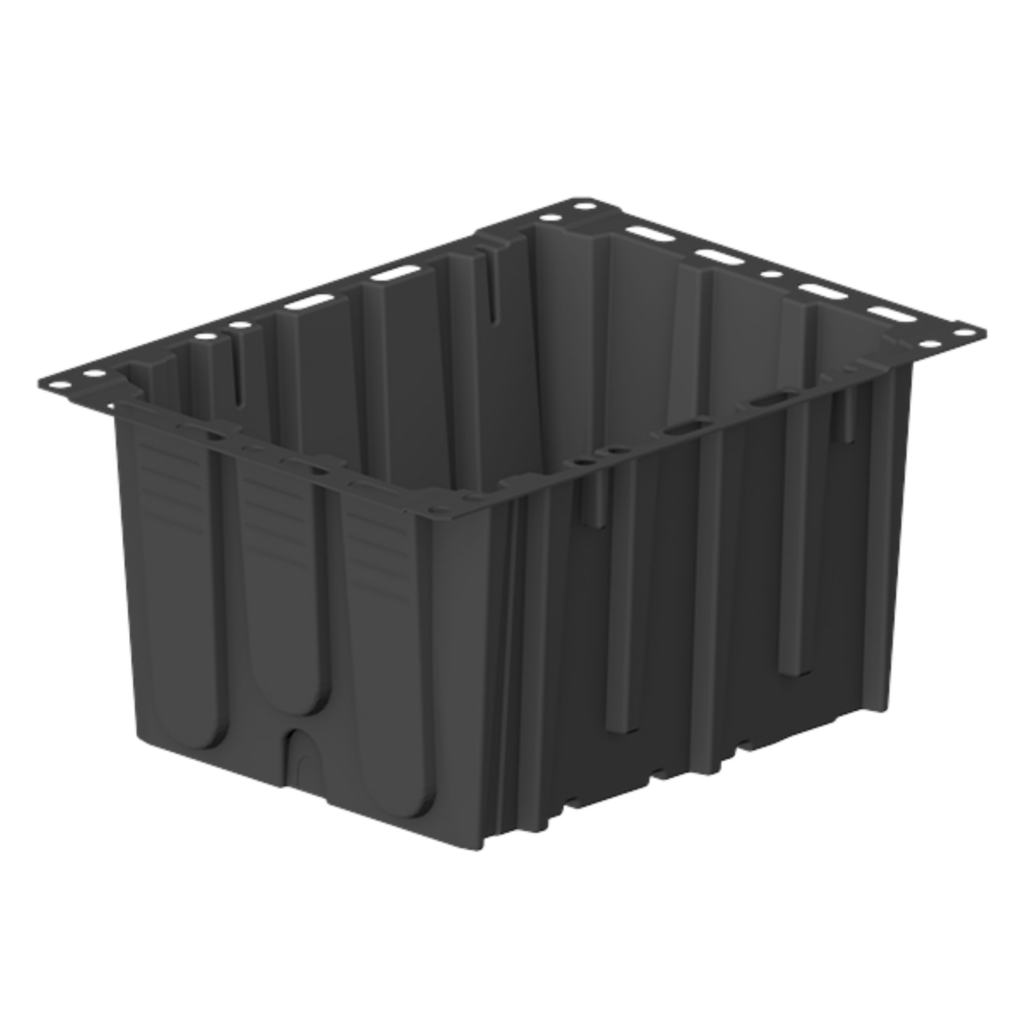
HydroPlanter is designed to manage runoff close to source while providing attractive planted infrastructure within urban environments. It combines stormwater attenuation, water quality treatment and planting within a modular rain garden system.
The system can be used as a standalone installation or incorporated into larger streetscape, public realm and development projects, allowing designers to respond to different catchment areas, site layouts and project requirements.
By combining hydraulic performance with amenity and biodiversity benefits, HydroPlanter helps integrate sustainable drainage into everyday streets and public spaces.
Modular prefabricated rain garden construction
Bioretention soil-based treatment system
Integrated drainage and overflow components
Available in multiple configurations and sizes
Suitable for retrofit and new-build applications
Supports planted SuDS infrastructure
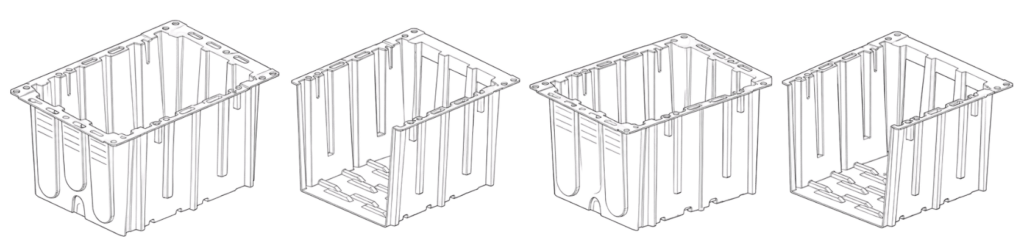
HydroPlanter is a modular bioretention rain garden system developed to simplify the delivery of sustainable drainage within urban environments. The system combines planting, attenuation and water treatment within a scalable format suitable for both retrofit and new-build projects.
HydroPlanter combines stormwater management, planting and modular construction within a single rain garden system, helping projects deliver SuDS performance alongside wider environmental and placemaking benefits.
Two complementary solutions designed to deliver sustainable drainage across a wide range of project types and site conditions.
HydroPlanter is available in configurations designed to suit different project requirements, from larger integrated rain gardens through to more flexible retrofit applications.
HydroPlanter MAX is designed for projects requiring greater water storage capacity and larger planted SuDS features, making it suitable for streets, public realm and development schemes where runoff volumes and treatment requirements are higher.
HydroPlanter FLEX provides a more adaptable solution for constrained urban environments and retrofit projects, allowing rain garden infrastructure to be integrated where space and site conditions require greater flexibility.
Access detailed guidance covering HydroPlanter design, installation, specification and application within SuDS and urban drainage projects, with practical information to support successful delivery from design through to construction.
CPDs, design guidance and technical documentation used during specification and project delivery.
Need help selecting the right solution for your project?
Whether you require technical guidance, specification support, CAD details or product information, our team is here to help.
Complete the form and we’ll be in touch.
HydroPlanter is a modular bioretention rain garden system that combines planting, attenuation and water-quality treatment within one piece of infrastructure. Runoff is directed into the planter, temporarily stored and filtered through the planted soil profile before leaving through the designed drainage route. Its modular construction allows installations to be scaled and repeated across streets, public realm and development projects.
A HydroPlanter can be used in retrofit and new-build settings, including streets, developments, public spaces and other locations where runoff can be connected to a planted SuDS feature. It can operate as a standalone intervention or as part of a wider drainage network. Suitability depends on the catchment, levels, available footprint, outlet, utilities, access and the landscape requirements of the site.
Yes. The system temporarily stores runoff to help reduce peak flows, while the bioretention soil and planting provide filtration and treatment. The amount of attenuation and the treatment performance depend on the selected configuration, catchment and design. The hydraulic route, overflow and outlet should be defined so that the planter’s water-quality and water-quantity functions are supported by the wider drainage strategy.
Yes. Its prefabricated modular format can simplify installation and reduce the amount of bespoke construction required on site, which can be useful for retrofit programmes. New developments benefit from being able to coordinate modules, drainage and planting early. In both cases, existing services, levels, loading, access and maintenance must be checked before the layout and number of units are confirmed.
Sizing begins with the contributing catchment, design rainfall, target discharge or attenuation requirement and available footprint. Soil and storage characteristics, inlet and outlet levels, exceedance, planting and maintenance also need to be considered. Modules can be combined to respond to different catchments, but the number of units should come from the drainage design rather than from a standard ratio applied to every site.