
Urban tree planting and SuDS systems depend on the quality and consistency of the soil environment. Poorly specified or compacted soil can restrict root growth, reduce drainage performance and limit long-term planting success.
Tree roots need a growing medium that provides water, oxygen, nutrients and space for healthy development, while SuDS systems also require predictable hydraulic performance.
Key design considerations include:




Long-term urban tree and plant health is closely linked to the soil the roots are growing into. Urban greening performs best where roots can access uncompacted, free-draining and fertile soil conditions.
GreenBlue Urban soil products are developed to support healthy root development in urban environments, helping provide the conditions trees and plants need to establish and grow.
Support for healthy root development
Improved drainage and aeration
Nutrient availability for establishment and growth
Consistent growing conditions across projects
Compatibility with tree pit and SuDS infrastructure
Providing the right soil environment helps trees establish successfully and continue to perform within the wider landscape.
GreenBlue Urban soil and aggregate products are designed to support the different layers and functions required within tree pits, rain gardens and SuDS systems.
Growing media support root development, biological activity and plant health, while drainage aggregates and subsoil layers help manage water movement, prevent waterlogging and support long-term system performance.
These materials contribute to successful planting through:
AshMAX, also known as ArborSoil Hydro MAX, is an engineered bioretention growing medium developed for use within rain gardens, tree pits and integrated SuDS systems.
A controlled, lab-tested bioretention growing medium
Consistent hydraulic performance for SuDS systems
Temporary water storage within the soil profile
Controlled permeability and predictable drainage
A growing medium suited to all integrated SuDS
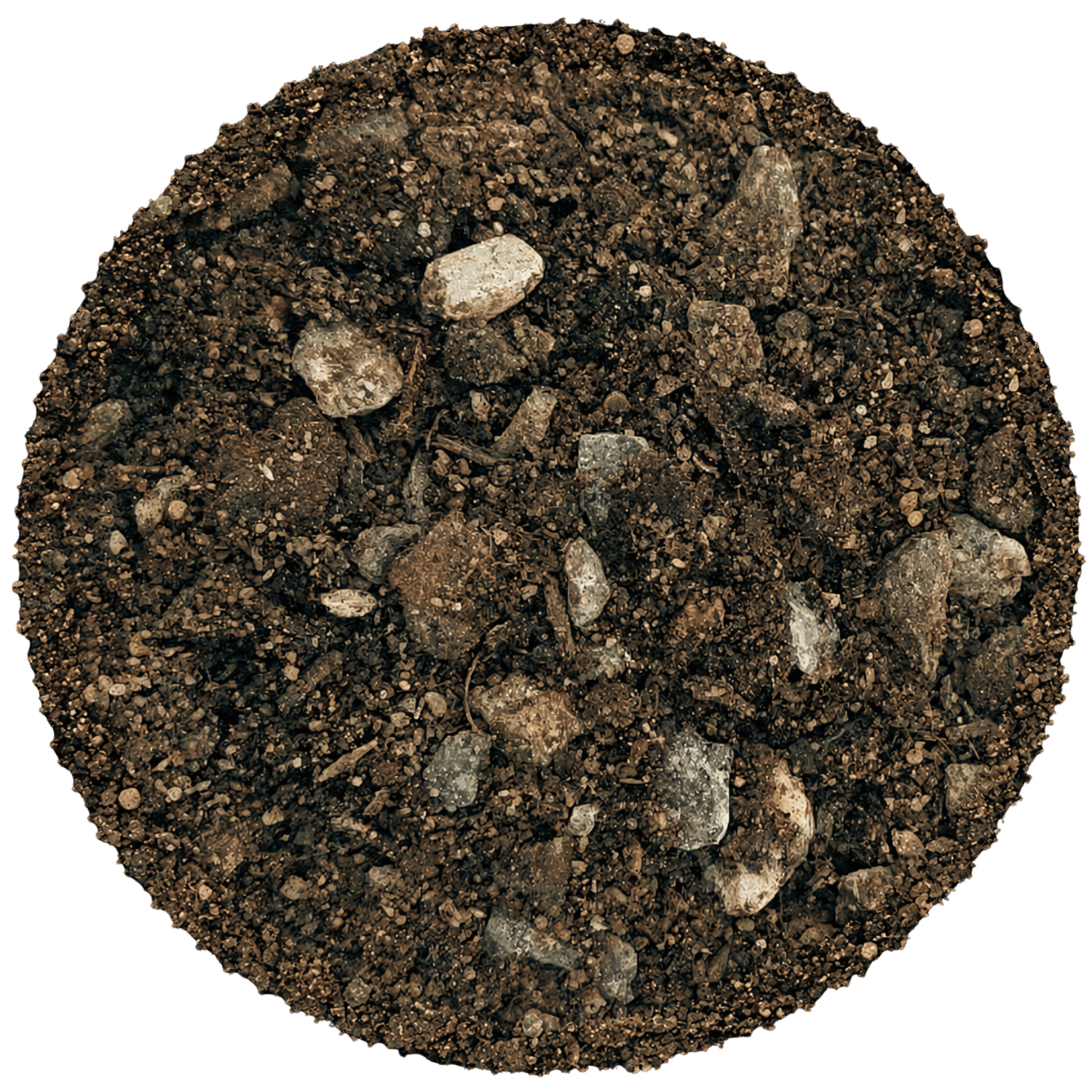
RootSoil 20 is a premium sandy loam topsoil designed to provide suitable growing conditions for tree health, establishment and long-term stability in urban environments.
A reliable topsoil for urban tree planting
Balanced drainage and moisture retention
Suitable conditions for root establishment
A controlled soil composition for consistent performance
A growing medium for tree pits and soft landscape planting
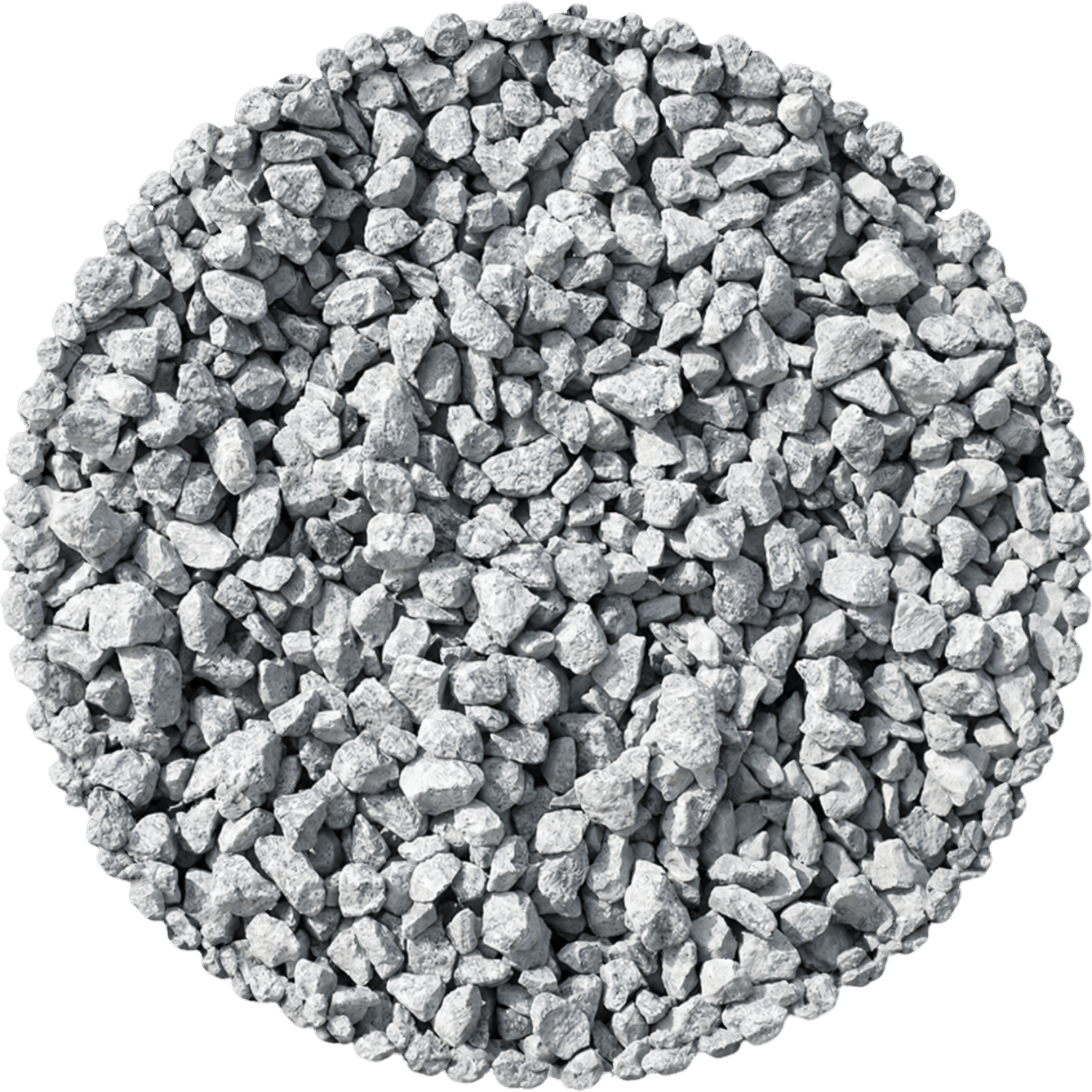
Drainage Stone is a selected aggregate used to create free-draining layers within tree pits and SuDS systems.
A free-draining layer beneath tree pits or SuDS systems
Support for consistent water movement
Reduced risk of waterlogging
A stable aggregate layer within planting infrastructure
Drainage support around the base or sides of tree pits
RootStart is a mycorrhizal inoculant designed to support successful tree establishment by introducing beneficial fungi to the root zone at planting.
Improved tree establishment at planting
Enhanced water and nutrient uptake
Support for stronger root development
Increased resilience in challenging urban conditions
Biological support for long-term tree growth
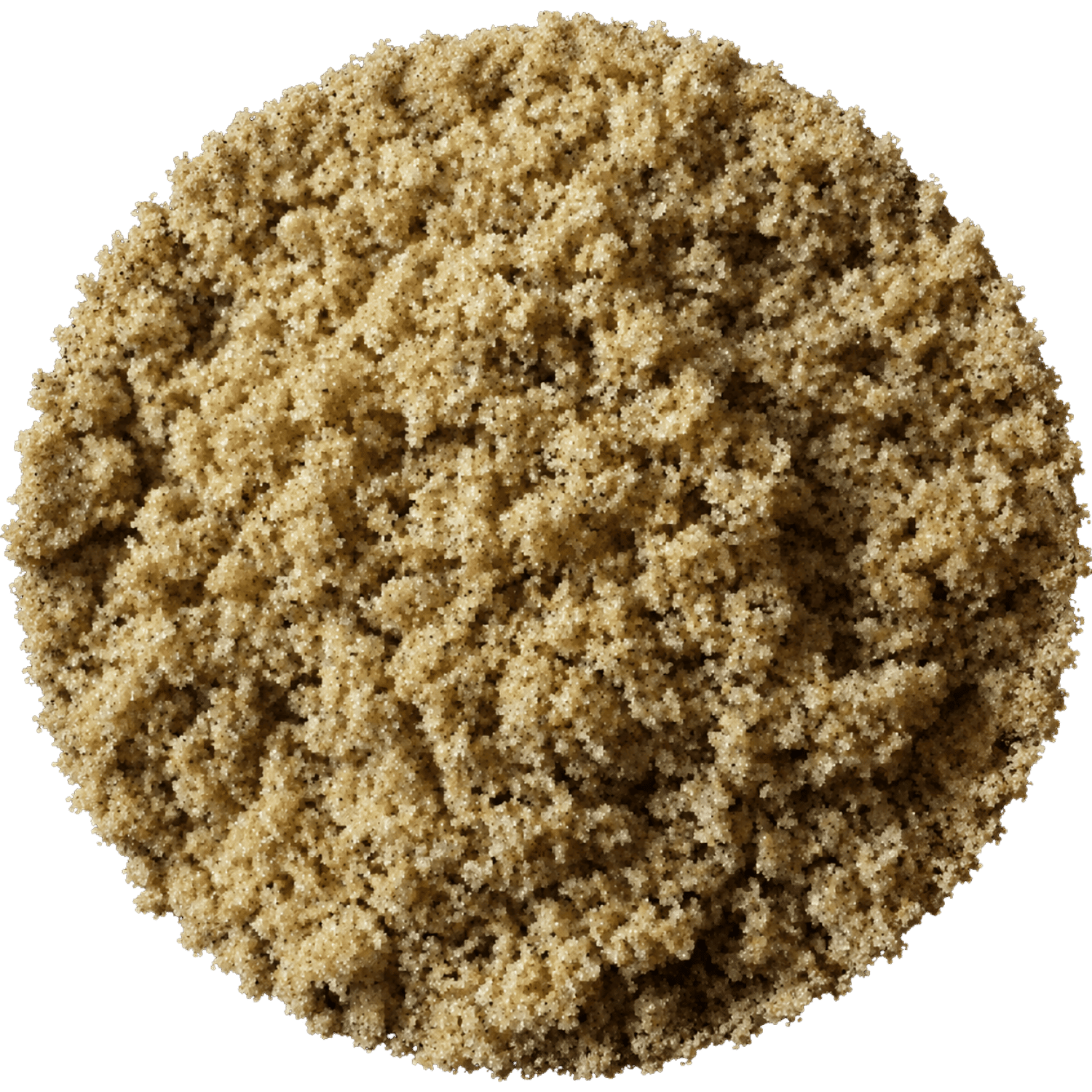
AshWuss is a washed sand subsoil used in the base of rain gardens to support drainage.
A free-draining subsoil layer
Improved water movement below high-permeability SuDS soils
Drainage support within rain gardens
A sand layer for soft or hard landscape SuDS applications
Support beneath engineered growing media where required
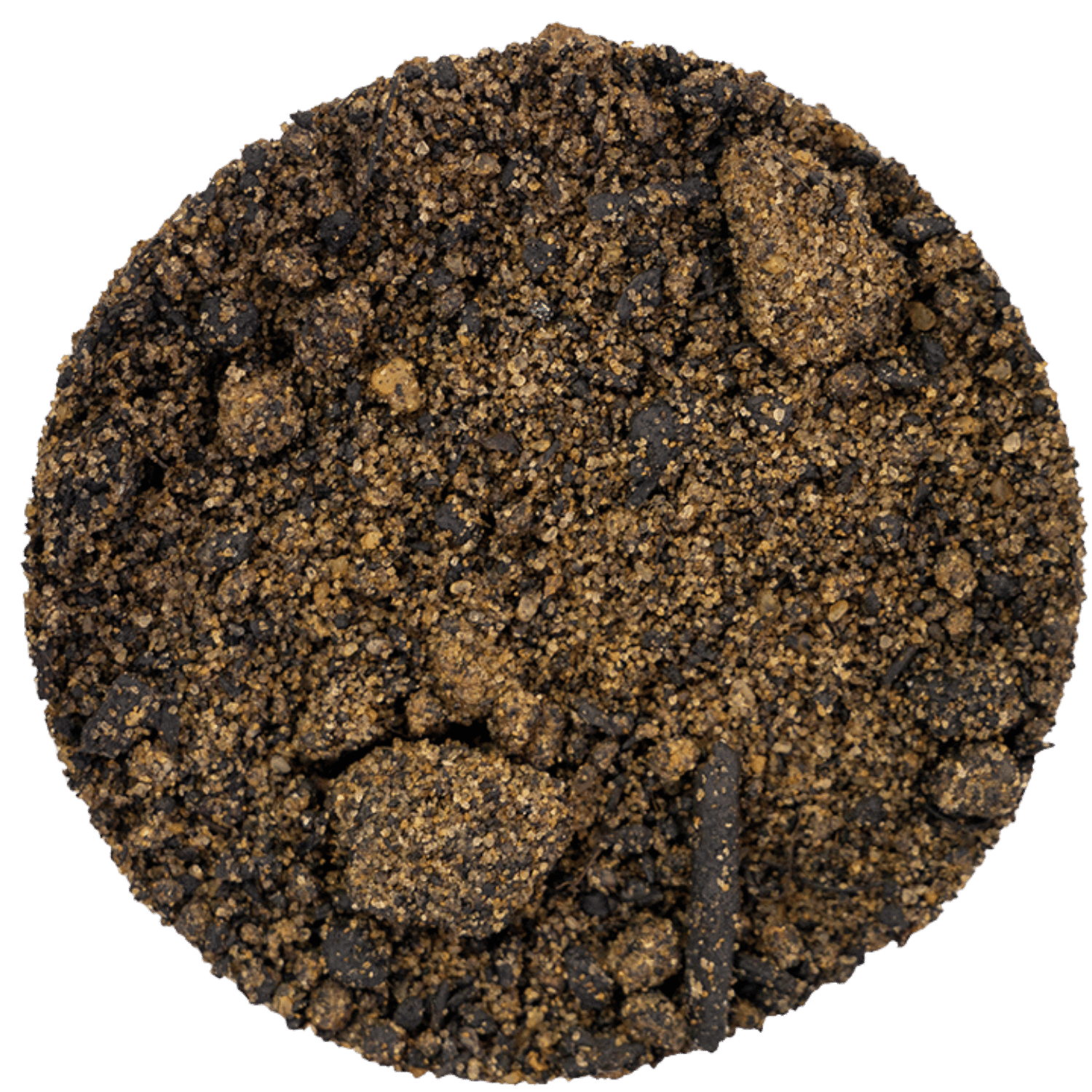
RootSoil Sub A is a premium sandy loam subsoil designed for use within deeper RootSpace cells, particularly beneath the tree rootball.
A deeper subsoil layer for tree pit systems
Support beneath the tree rootball
Structural stability within deeper soil profiles
Effective drainage below primary growing media
A clean, consistent sandy loam subsoil
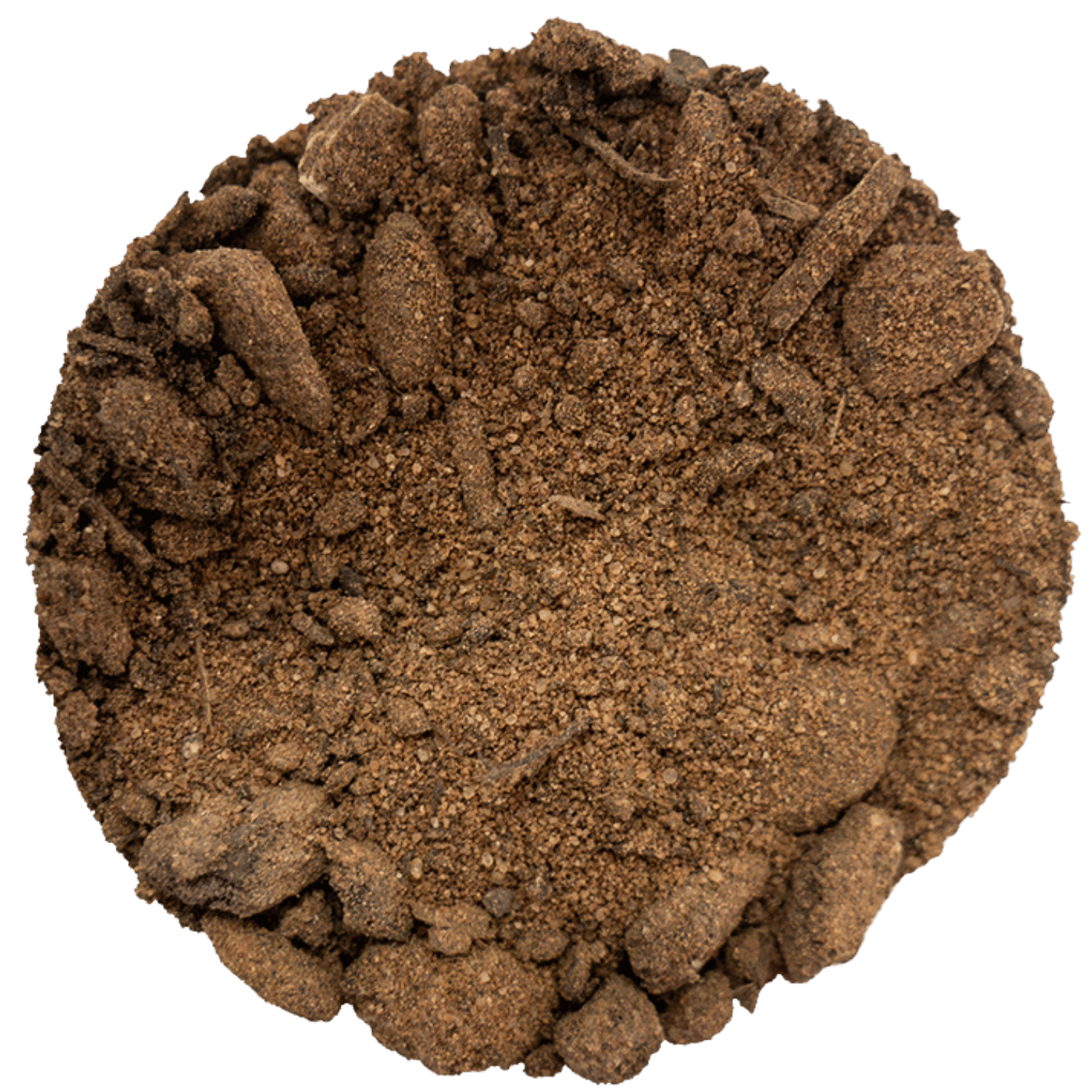
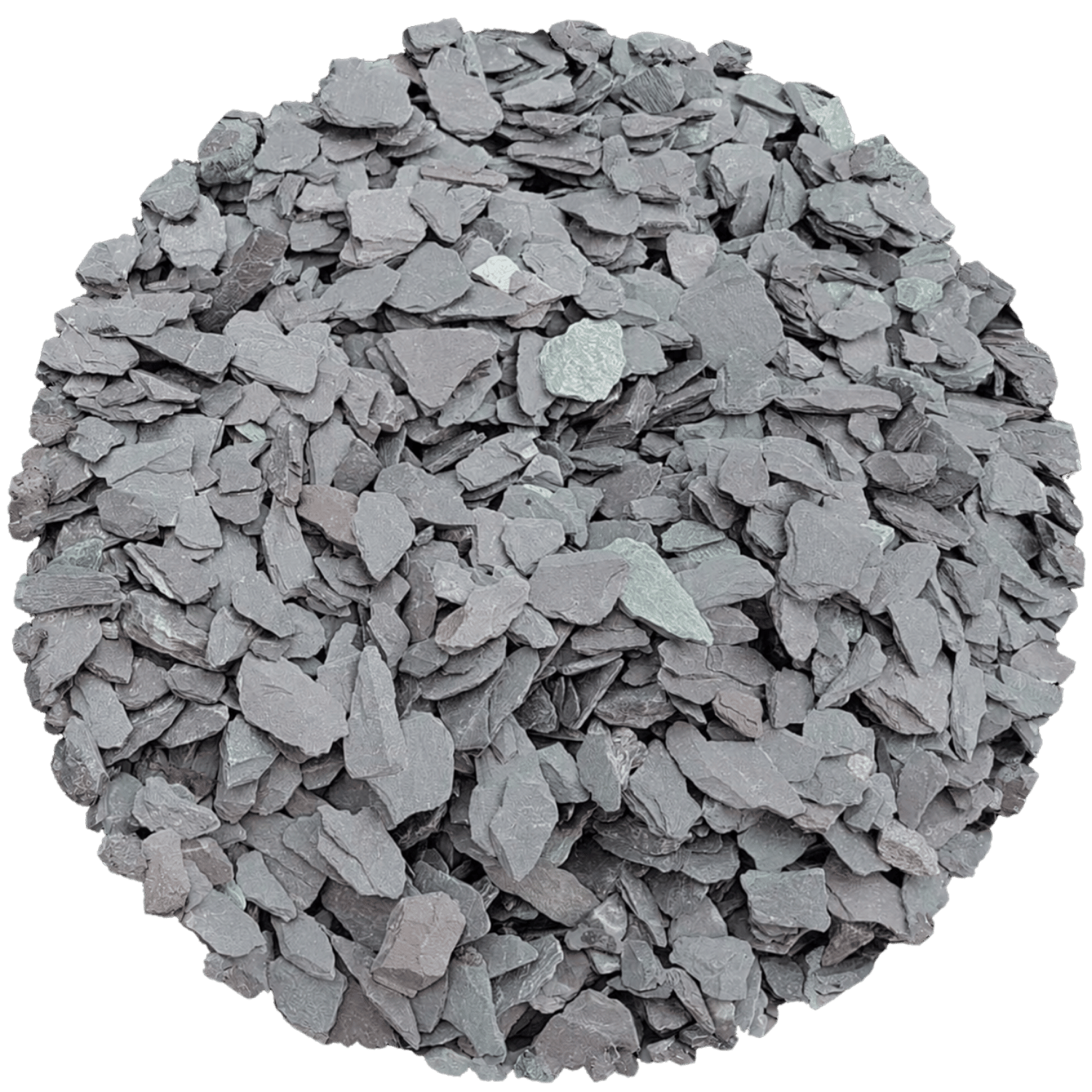
Slate Mulch is a durable surface dressing designed to protect soil, retain moisture and enhance the visual quality of planted areas.
A decorative finish for planting
Moisture retention at the soil surface
Reduced weed growth
Moderation of soil temperature
A durable, low-maintenance surface layer
Specifying soil for tree planting and SuDS requires coordination between planting design, drainage performance, soil volume, installation conditions and long-term maintenance requirements.
Early consideration helps ensure the correct soil and aggregate layers are selected for the system, whether the priority is tree establishment, drainage performance, water quality or planted SuDS function.
GreenBlue Urban regularly supports designers and contractors with:
CPDs, design guidance and technical documentation used during specification and project delivery.
Need help selecting the right solution for your project?
Whether you require technical guidance, specification support, CAD details or product information, our team is here to help.
Complete the form and we’ll be in touch.
The soil should be selected for the tree, available volume, drainage conditions and function of the tree pit. A standard tree pit normally needs a suitable planting soil that supports root growth, water storage, aeration and nutrients. A SuDS tree pit may require engineered bioretention media with controlled permeability and hydraulic performance. One generic topsoil specification is unlikely to suit every location.
Bioretention soil is designed to support plants while also managing runoff. It needs predictable water movement, temporary storage, filtration, drainage and recovery of air within the pore space after rainfall. Ordinary planting topsoil is primarily selected as a growing medium. Both require suitable physical, chemical and biological properties, but bioretention media has additional hydraulic performance requirements that should be tested and specified.
Roots need connected pore space for air, water movement and physical growth. Heavy compaction reduces this pore space, limiting oxygen and drainage and making it harder for roots to develop. Where soil cells carry the pavement load, the growing soil can be placed and lightly consolidated without being compacted to highway sub-base densities. Installation should follow the soil and system guidance to control settlement without destroying structure.
Different soils hold and release different amounts of plant-available water and allow water to move at different rates. This affects how much soil a tree needs and how a SuDS feature stores, treats and drains runoff. Soil volume and soil type should therefore be considered together. Changing the specified soil late in a project can alter both the arboricultural and hydraulic assumptions behind the design.
Soil should be protected from contamination, construction waste, concrete washout, oils, excessive wetting and unnecessary trafficking. Stockpiles and handling should follow the project soil plan, and installation should avoid conditions that damage soil structure. Within soil cells, soil is normally placed progressively and lightly consolidated. The correct soil only provides value if it arrives and is installed in the condition assumed by the specification.