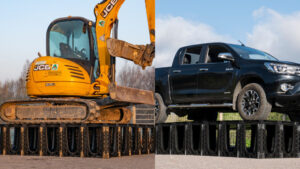
As climate change intensifies, the urgency to develop resilient transport networks has never been more apparent. The recent CIHT report highlights critical strategies that engineers must adopt, focusing on decarbonisation, adaptation, and resilience. Integrating nature-based solutions, like those from GreenBlue Urban, can significantly bolster our infrastructure against extreme weather while enhancing community well-being.
The CIHT emphasises the urgent need for adaptation and resilience to be prioritised in government transport strategies. Without immediate investment in resilience measures, we risk costly infrastructure failures as extreme weather events increase in frequency and intensity. Acting now is crucial to mitigate potential losses and ensure the longevity of our transport systems.
Investment in the maintenance of existing highways and infrastructure is essential for the efficient operation of our transport network. Proactively maintaining and incrementally adapting these systems is vital for enhancing resilience to extreme weather and achieving decarbonisation goals.
CIHT calls for coherent and consistent guidance from legislative road authorities across the UK. This approach will help prevent the proliferation of internal disparate evaluations and ensure that data is transferable and sharable among operators and asset owners.
A Data-Centric Approach
To tackle these pressing issues, engineers must embrace a data-centric mindset. This involves implementing innovative solutions and collecting and analysing data to understand their effectiveness. As traffic volumes rise, particularly from heavy goods vehicles, traditional infrastructure management methods are inadequate. A holistic, evidence-based approach is essential for adapting to the challenges posed by climate change.
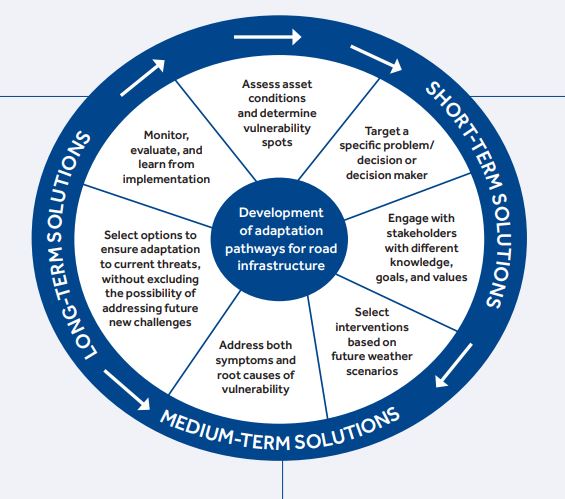
The Need for Collaboration
Collaboration among stakeholders is vital. While there are hurdles, such as funding and skills gaps, integrating green infrastructure presents a compelling investment case. By linking health and transport funding, we can promote active travel initiatives that enhance mobility and reduce healthcare burdens.
Embracing Innovation
Nature-based solutions are not just about managing assets; they are about enhancing critical infrastructure. GreenBlue Urban’s products, manufactured in the UK from sustainable materials and backed by Environmental Product Declarations (EPDs) and Life Cycle Assessments (LCAs), exemplify how we can improve urban resilience. These solutions effectively manage stormwater, reduce urban heat, and enhance air quality, protecting communities and the economy from the impacts of extreme weather.
Case Studies in Action
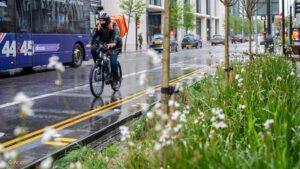
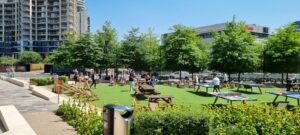
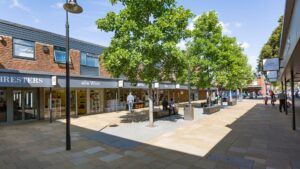
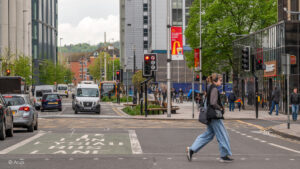
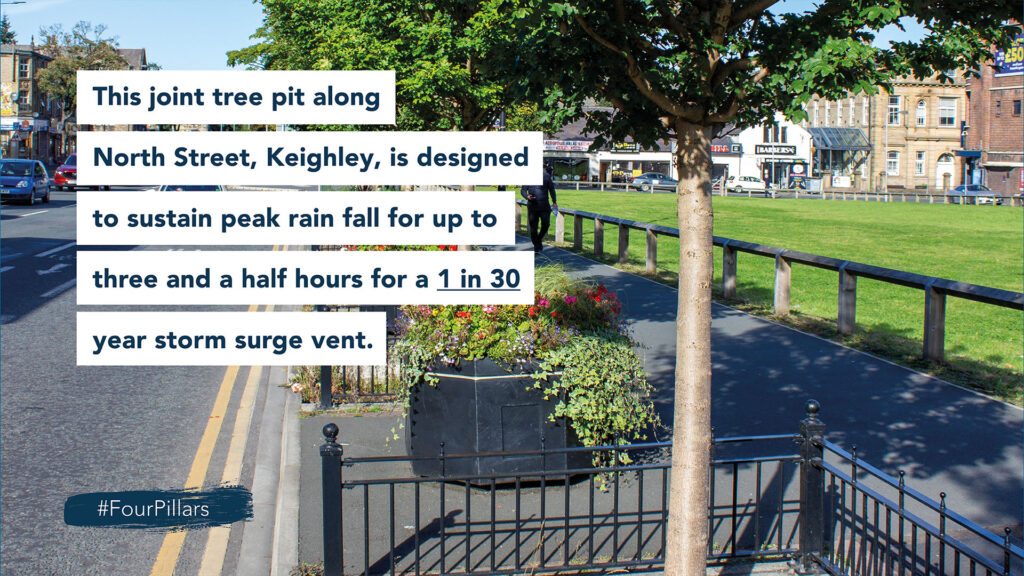
In Keighley, West Yorkshire, tree pits have been implemented to combat road pollution, improve air quality, and promote healthier urban spaces. Similarly, Sauchiehall Street in Glasgow has been transformed to support active travel, featuring sustainable urban elements encouraging walking and cycling. These projects showcase how green infrastructure can address local challenges while fostering a sense of community.
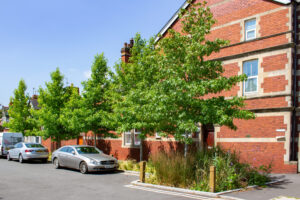
Margate’s residential rain gardens represent another innovative approach. They capture stormwater and reduce flood risks while beautifying neighbourhoods. These rain gardens are part of a broader initiative, “Cool Towns,” which aims to make urban areas more livable and resilient against climate impacts.
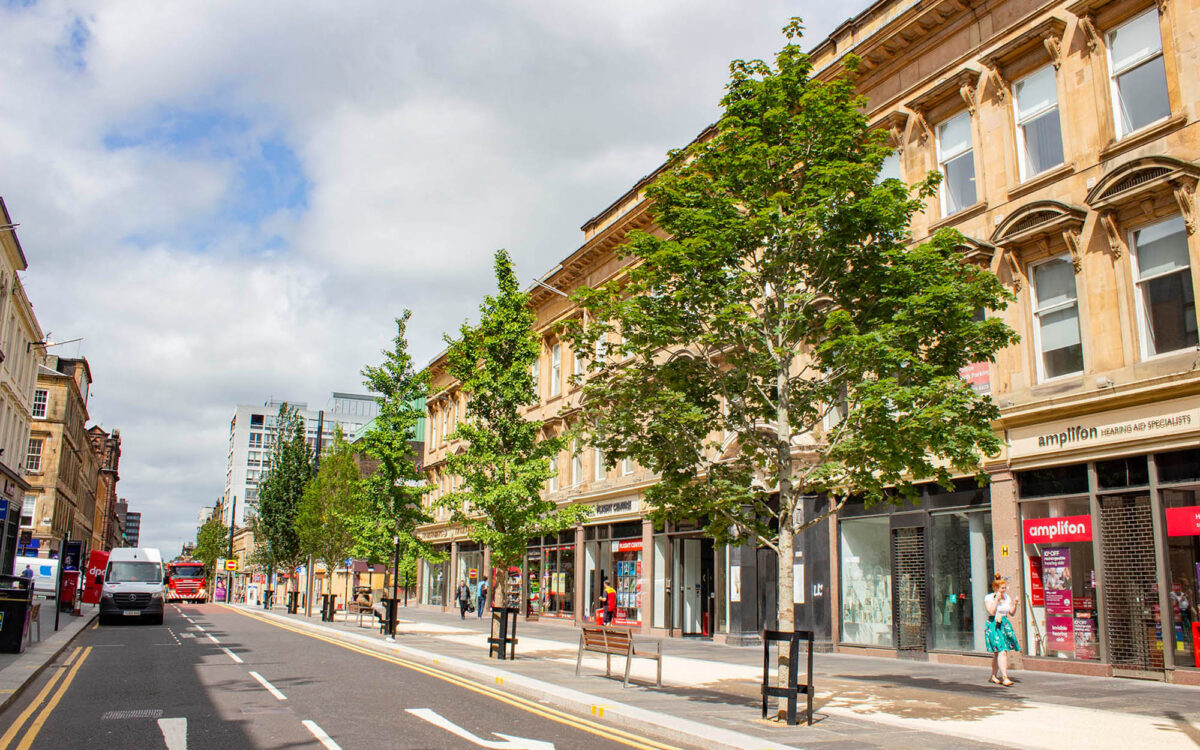 Sauchiehall Street, Glasgow
As we move forward, embracing innovation and data-driven strategies is essential for building resilient transport networks. By integrating nature-based solutions and fostering collaboration, we can create infrastructures that withstand today’s challenges and thrive in tomorrow’s uncertainties.
The time to act is now—together, we can pave the way for a sustainable and resilient future.