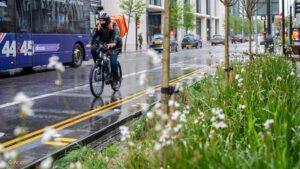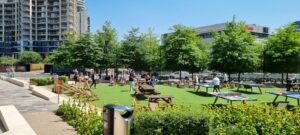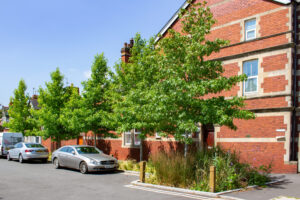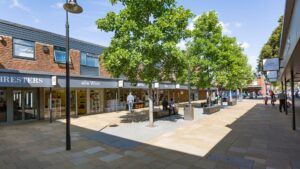
It is widely thought that tree cover in urban areas is in decline, this is due to increasing threat from development, the effects of climate change and the stresses of survival in heavily populated areas. Trees for cities’ projects are the key benefit to support biodiversity in cities and towns. They aim to monitor trees over time, and set targets for significant increases so the future is assured for our urban wildlife.
Whether trees are planted on the streets, in parks, gardens, schools or hospitals, trees in cities and town provide huge benefits relating to biodiversity. Biodiversity is the variety of life on Earth and is essential for sustaining natural ecosystems and for providing us with food, fuel and resources. Trees support a great variety of wildlife, even in urban areas. Over thousands of years, different species have become dependent on various trees. Willow trees alone provide food and habitat for over 450 species.
Trees for cities’ projects mainly take place in either streets or greenfield sites, focusing on existing habitats on site. For brownfield sites, they undertake detailed biodiversity audits to establish current wildlife and ensure there is no detrimental effects. Trees for cities’ cannot stress enough the importance of bring wildlife into our cities’ and towns. They are very keen for residents and schools to recognise the vital part they can play not only to adapt their local area to climate change but also offering a lifeline to our urban wildlife.