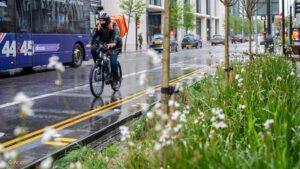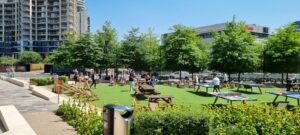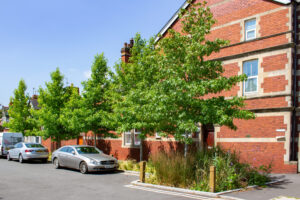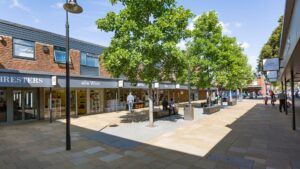
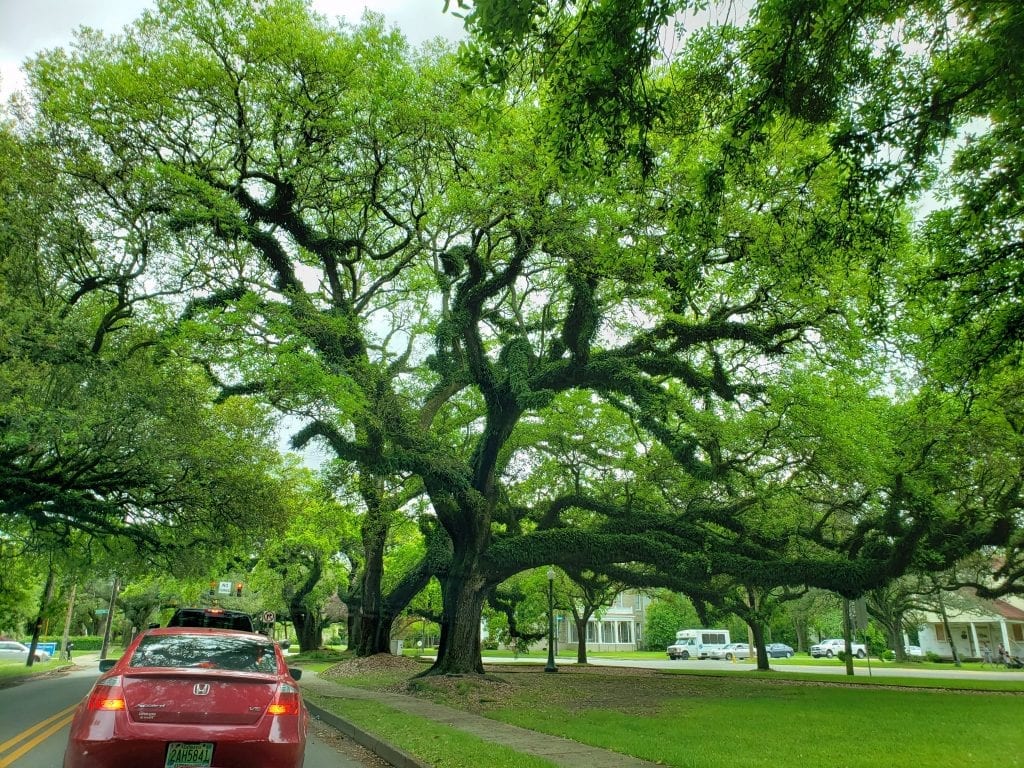
The canopy cover of many cities across the US and around the world is made up of large, mature trees. In the US, most of these trees were planted in the late 1800s to early 1900s, making them well over 100 years old. Thankfully, our grandparents and great grandparents understood the value of trees and had the foresight to provide them for the upcoming generations.
At the time many of these trees were planted, our roadways were narrow and typically made of dirt or cobblestone. Road construction in this era didn’t involve large construction equipment, and trees planted next to and within these environments had access to soil that was adequality aerated and irrigated.
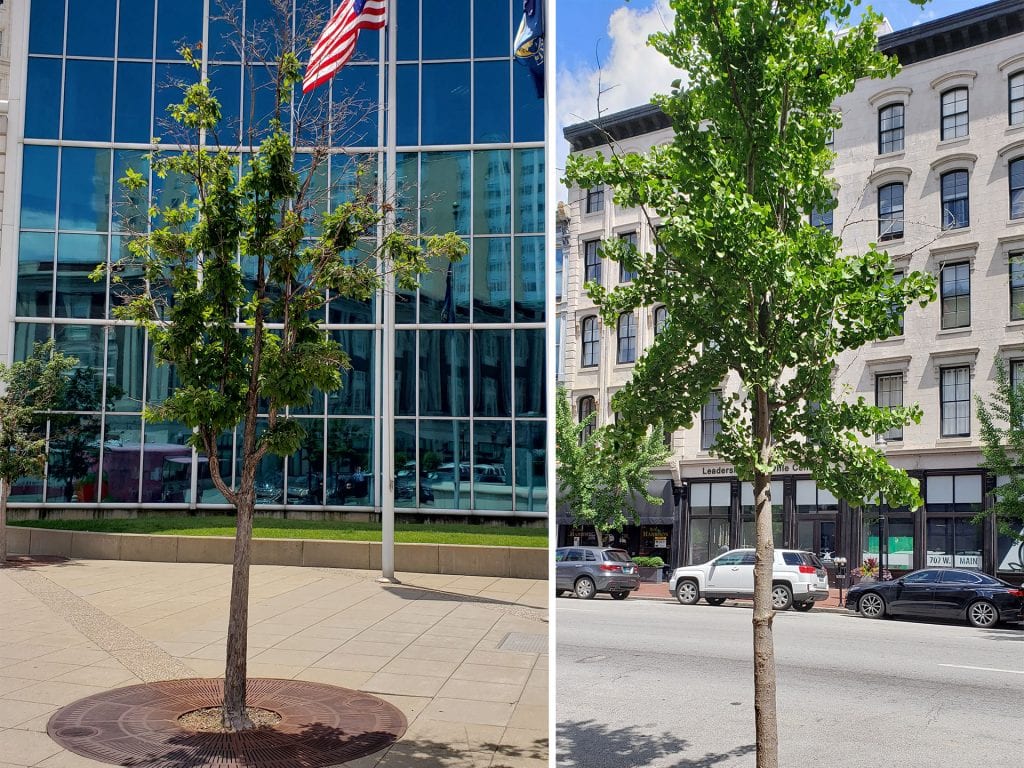
Today these old trees are valued by the citizens, and we continue to plant them on developments large and small. However, there are many challenges in today’s urban environment that limit these newly planted trees from reaching maturity. Road widening and development has resulted in an increase in areas of impervious pavement, compacted soils and a decrease in green space. And over the years, we have learned that our roadways require a heavily compacted subbase to ensure structural stability. This has led to the development of compaction standards and testing methods, such as Standard Proctor Density. These compaction levels are achieved by heavy construction equipment, that in turn removes almost all voids from the soil and creating a soil profile almost impossible for roots to penetrate. As roadways were expanded, they increasingly encroached on the critical root zone of the trees, and over time these trees often fail due to this decrease in quality root zone area.
There are many myths that tend to drive this way of thinking, such as: “the root system only extends to the dripline of the tree”, “the tree roots will go as deep as the tree is tall”, and “trees have tap roots”. Of course, you don’t have to have a degree in arboriculture to see that these are truly myths.
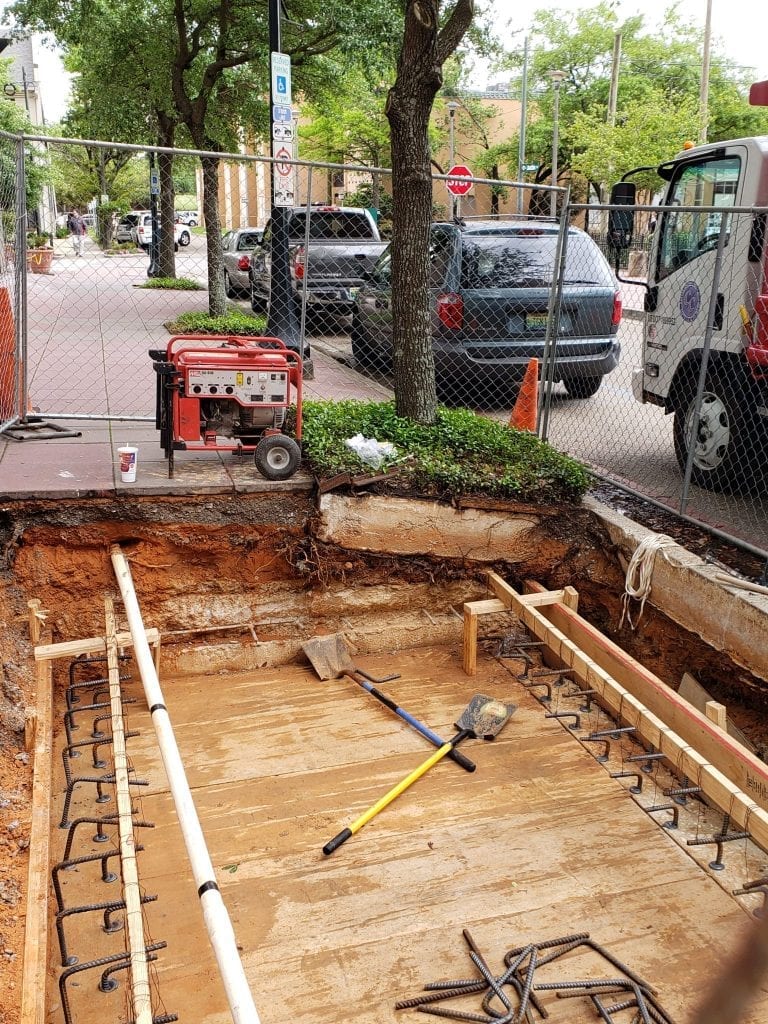
Little by little, these large trees are dying and unfortunately, many of them cause substantial property damage as they fall, which leads to an increased liability to cities and property owners. This increase in liability often leads to cities and property owners removing these trees and replacing them with new smaller trees. Consideration that these newly planted trees need adequate soil to grow and mature is often forgotten. Instead, they’re regularly planted in cramped planting pits (usually as small as 4ft x 4ft) (1.2 x 1.2 meters) which provides a grossly insufficient growing space for these trees.
After experiencing the continued failure of trees planting in this environment, designers and municipalities often turn to GreenBlue Urban and ask, “how can we ensure that we are providing the best possible environment so that our trees can reach maturity?”
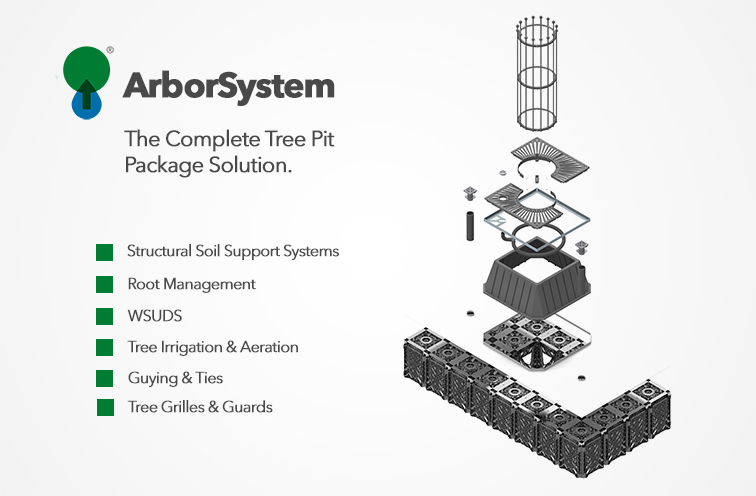
The knowledge and understanding of what trees require is available, and there are systems on the market that provide these requirements in even the harshest urban environments – so how do we change this cycle?
Firstly, an understanding of the value and benefits of mature trees at the government level can help significantly. Providing this understanding could include education sessions to those involved in the planning, development and maintenance of our urban areas. Arborists and industry professionals should be included in these sessions. Once municipalities and other local authorities understand the social, economic, and environmental benefits of trees, they can develop realistic and sustainable tree planting standards and ordinances. Many cities across North America have already put these kinds of standards in place or are drafting such standards.
Within these standards, specific guidance should be included like right tree right place, proper species list, and soil volume. Public workshops with the community and developers can also be held to educate other stakeholders, and community-wide tree care programs can be developed to care for the trees and ensure that they provide for future generations.