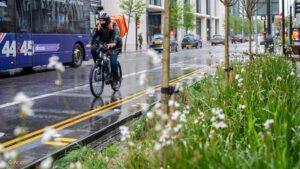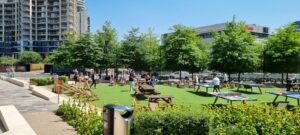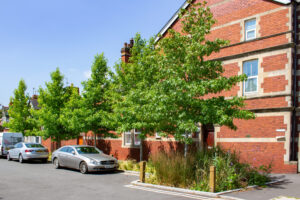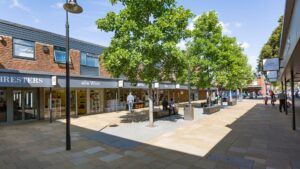
In our smaller communities Trees are more than just shade and protection, they are jungle gyms for children, a place for children to play and build tree houses. Trees provide beauty, a quintessential past time for many as walking down tree lined streets.
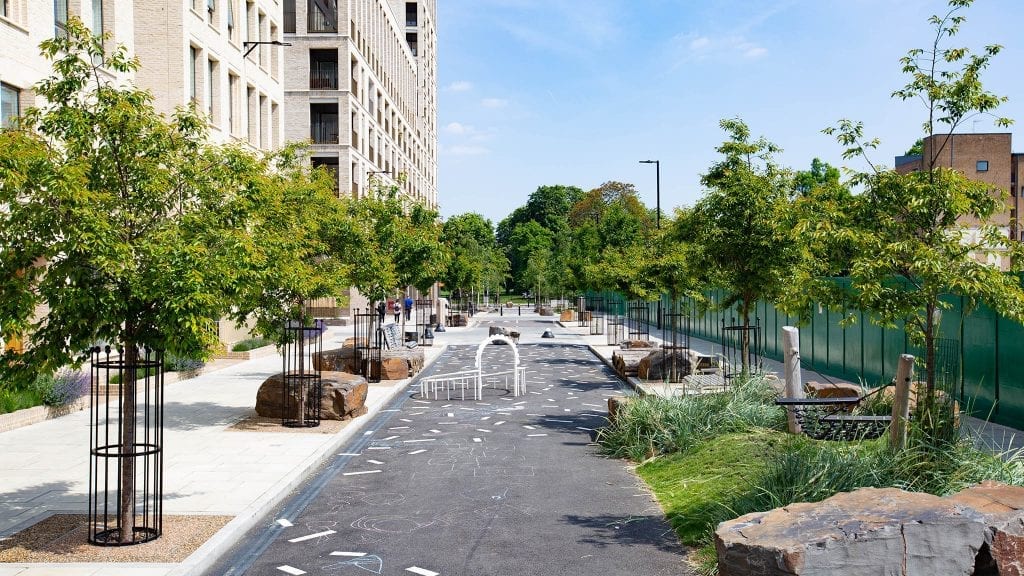
The full range of benefits that urban trees bring to humanity is not yet fully understood – let alone measured. Many scientists believe that human health and well-being is directly connected to the availability of green space, and trees are an important part of this; in fact, in many of our congested cities, most of the green infrastructure is provided by trees in streets, squares, plazas and other hard paved areas.
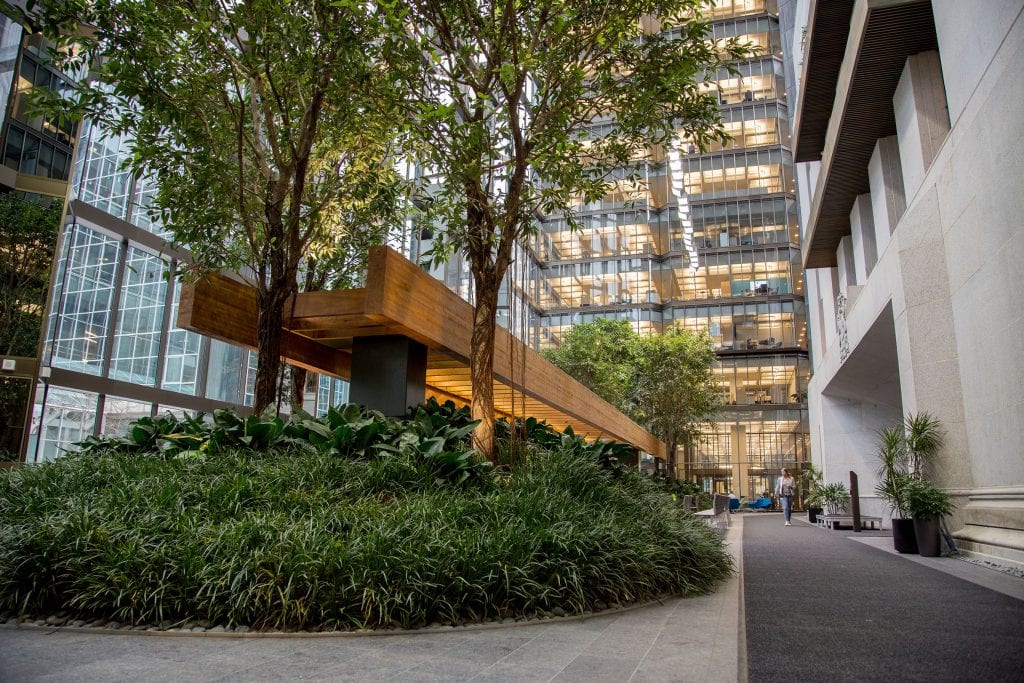
In communities around the world, trees are looked upon with value, communities with older more mature trees often have higher property value, Independent studies show a consistent increase in property values in tree lined streets of between 5-15%. Numerous health benefits including positive incidence of skin cancer, asthma, hypertension and stress related illnesses amongst city dwellers.
“Attractive street environments encourage active travel, as little as 20 minutes of which a day is enough to stay physically and mentally healthy. Reducing car use will lower harmful emissions, and the trees and other greenery that make streets pleasant places to be improve the city’s resilience to climate change.”
Peter Massini – Greater London Authority.
The fact that trees can improve the quality of life for city residents and make a positive contribution to large-scale planning and infrastructure requirements is now beyond question. In fact, the establishment of healthy urban trees is quickly becoming a central component in strategies to deliver a diverse range of outcomes such as the management of urban microclimates, the creation of Sustainable Urban Drainage Systems (SUDS)/Low Impact Development (LID), and the improvement of air quality in towns and cities. The growth of urban forests also has an important part to play in the development of carbon reduction strategies.
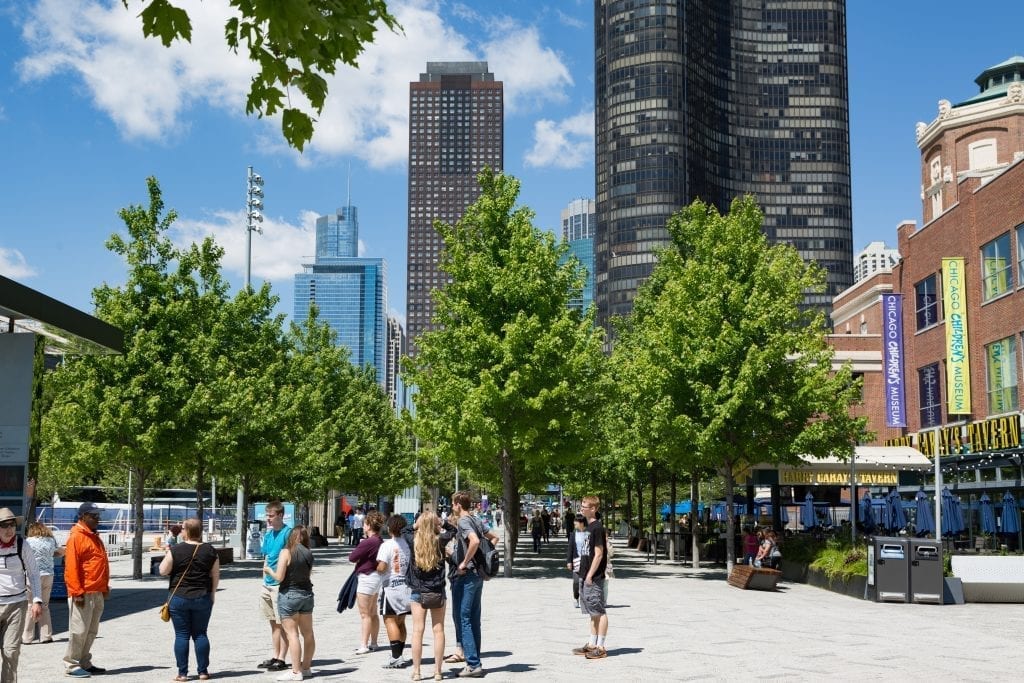
At GreenBlue Urban, it is our hope that we’ll all remember the importance of trees and their many roles they play in growing happy, strong and healthy communities around the world. Incorporating trees in any community development is an important part of the puzzle not just for now but for the long term for future generations to enjoy.
Contact us at the start of any project we have the tools to help you, whether it is species selection, planting around utilities or stormwater solutions.
Let our expertise help you to design projects that you can be proud of so you too can help communities take advantage of the many benefits well planted trees bring.