Research has proven that trees provide significant benefits for developers and property owners by increasing property values and selling prices. One US study even determined that large street trees were the single most important indicator of attractiveness in a community (Coder, 1996).
These advantages are a result of several inter-related benefits that trees convey, including physical and visual amenity, shade provision, air quality improvement, noise abatement, and increased biodiversity.
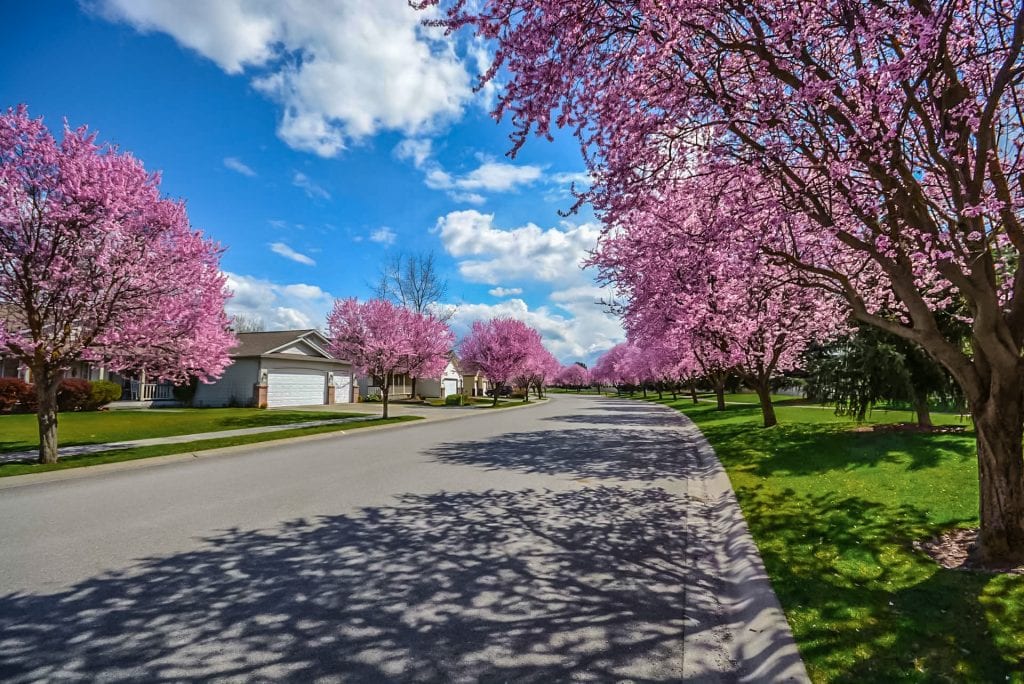
A series of international third-party studies have shown that trees increase property prices by between 5% to 18% (CABE Space, 2005 and Morales et al, 1983). In one high-income area, this equated to between $30,000 and $120,000 USD on a $675,000 residence.
A Philadelphia-based study demonstrated that properties close to new tree plantings increased in price by about 10% (Wachter and Gillen, 2006). That meant an additional $30,000 USD for the average house price. The potential value increase is dependent on numerous factors including the local socio-economic situation, area characteristics, density and type of developments, climate conditions, etc.
Significant work has been undertaken throughout the US to demonstrate the specific value that trees offer nearby properties. While the findings vary, they consistently identify that trees have a positive effect on house prices under almost any circumstances. In the UK, key policies regularly refer to the value trees have on property prices.
Careful development planning can retain existing mature trees, inferring an immediate premium on the property prices in addition to the increase brought by newly planted trees. These higher property values reveal the importance that people put on trees.
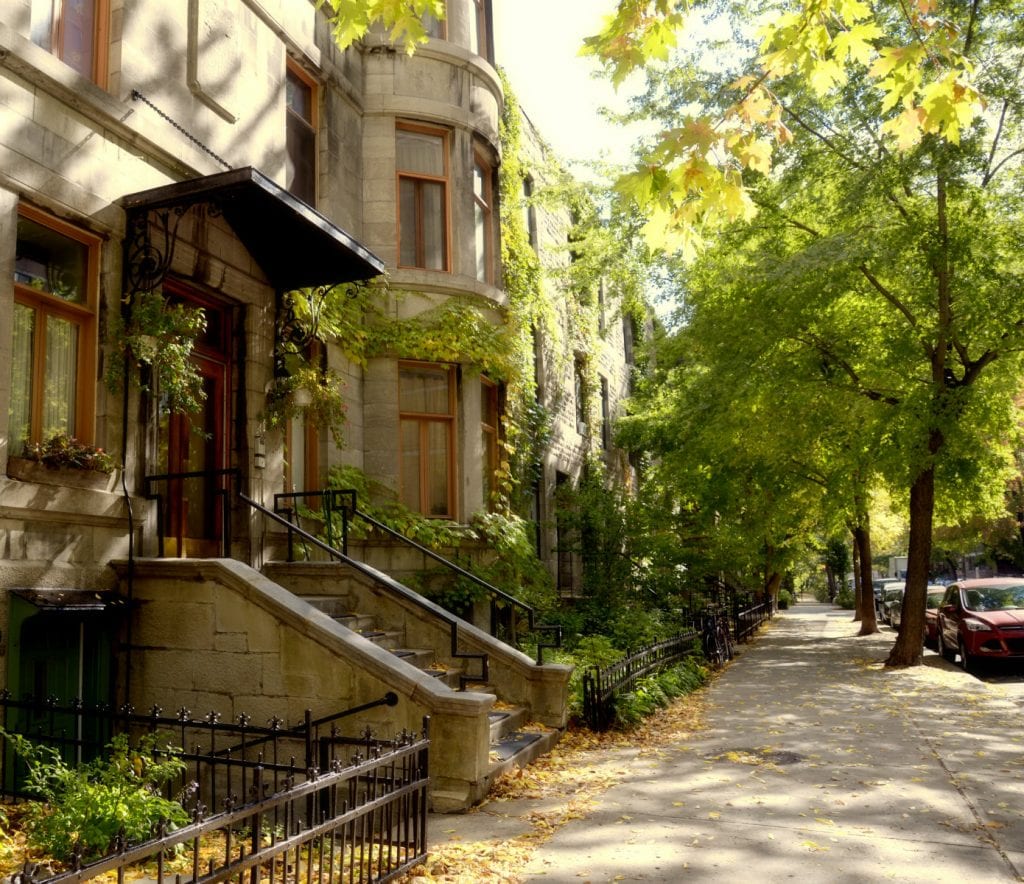
Green infrastructure has also been proven to increase land values. Research conducted in Frankfurt and Berlin, Germany and Malmö, Sweden identified a significant correlation between land prices and distance, quality, and density of green space (Luther and Gruehn, 2001). Large specie trees are an important part of how people perceive the quality of green space. As part of the study, it was recognized that a high number of street trees resulted in a 17% increase in land values.
Case Study – Quebec City, Canada
Between 1993 and 2001, an opinion poll about urban trees was undertaken with 640 home buyers. The results indicated that the effect of mature trees on house prices is highly related to family composition. It further stated that the appreciation of treed areas and their perceived benefits varied according to socio-economic status of the neighborhood. However, mature trees in high income areas can raise property prices by 10 to 15% (Theriault et al, 2001).
There are many ways through which designers and developers can ensure that their projects include healthy mature trees that will flourish and provide this kind of value increasing benefit to the properties they work on. Properly specifying new urban tree plantings that are planted to succeed from day one greatly increases urban tree success rates.