It has been an incredible quarter of a century at GreenBlue Urban and what better than to celebrate in style and say thank you to our friends and supporters from across the private and public sector. We have been fortunate over these years to have established lasting partnerships with respected colleagues, enabling us to develop the next generation of SUDs compatible tree pit systems and to look forward to future innovations focused on air quality technology.
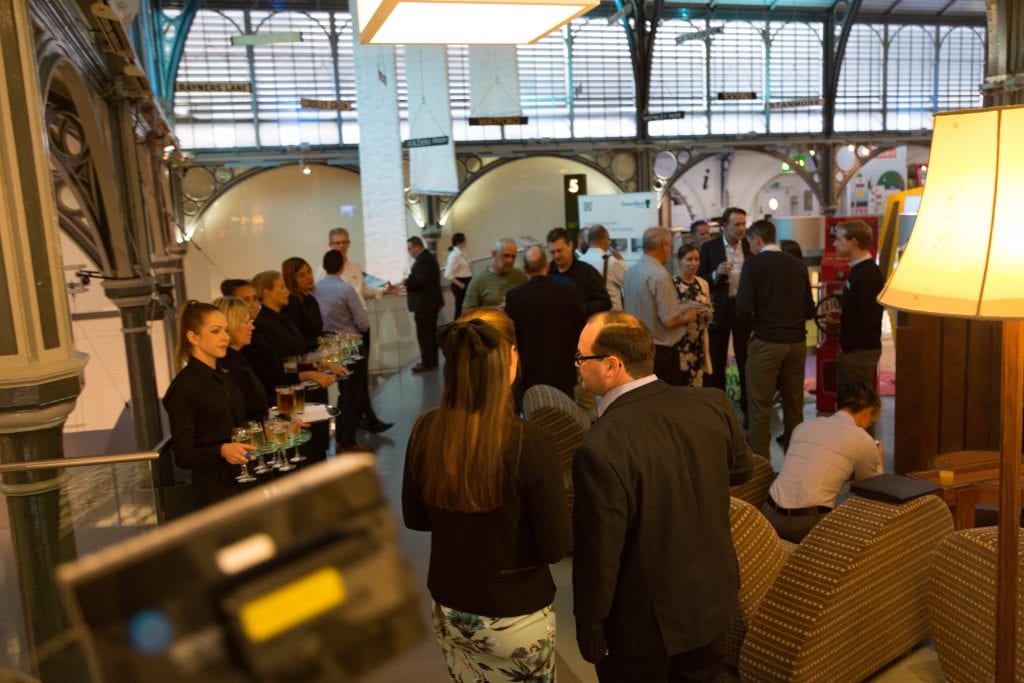
Over drinks and canapé’s, we could catch up with old friends from landscape architects and local authorities to tree consultants and SUDs specialists and we also welcomed new faces with whom our journey is only just beginning.
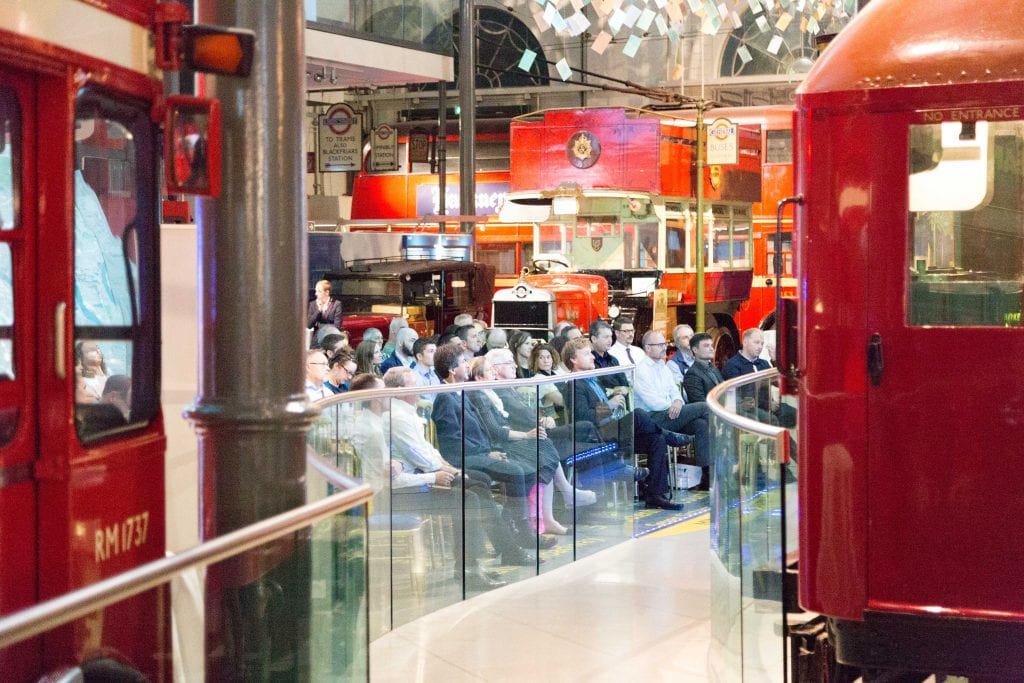
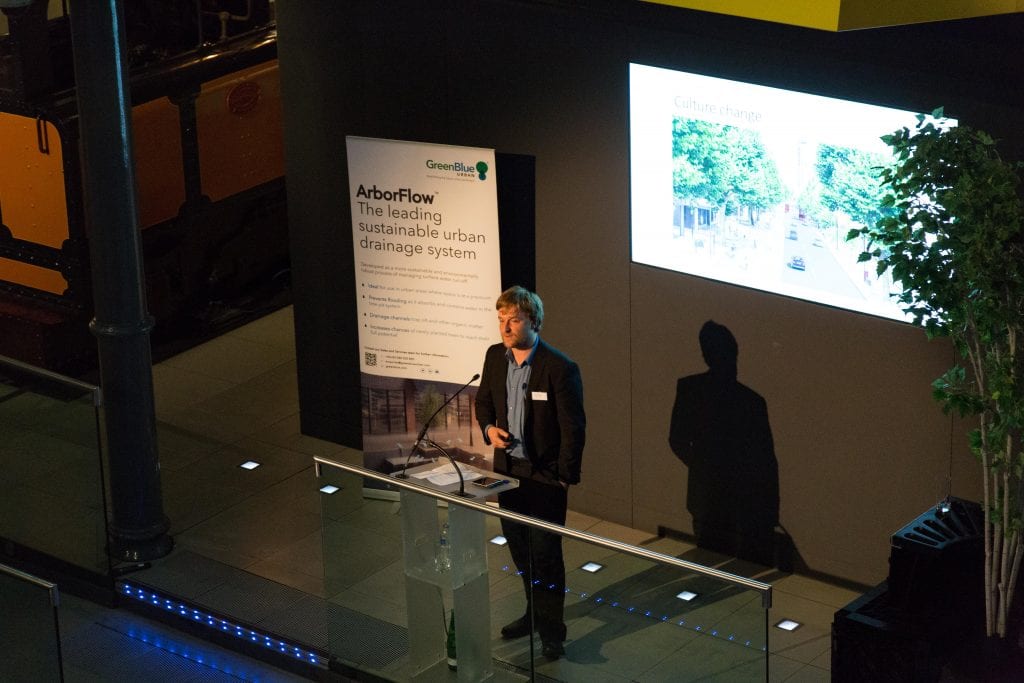
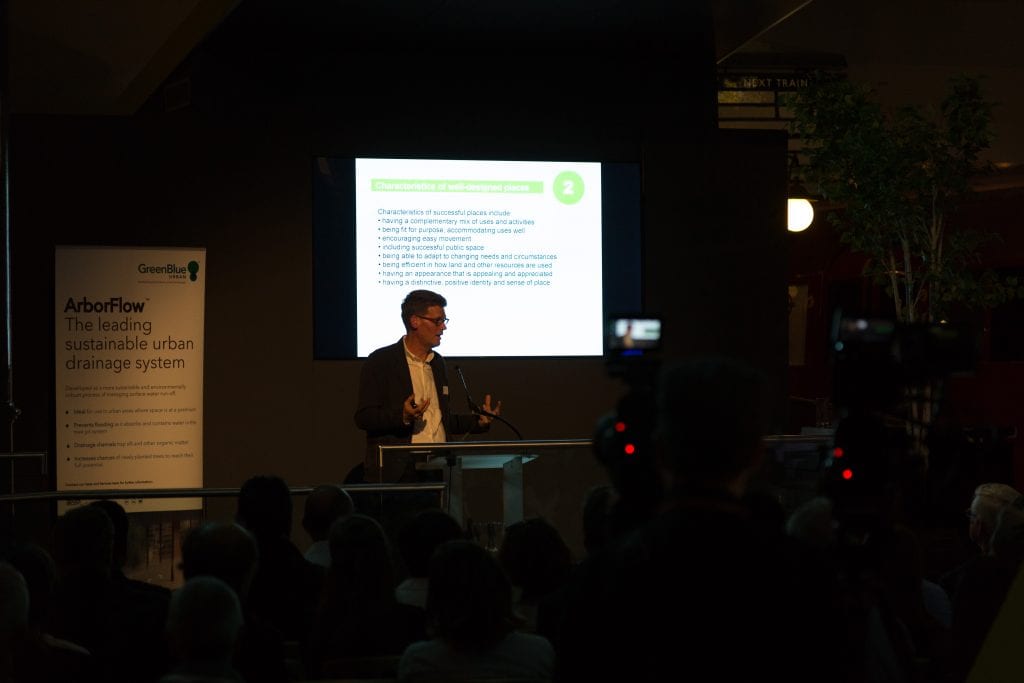
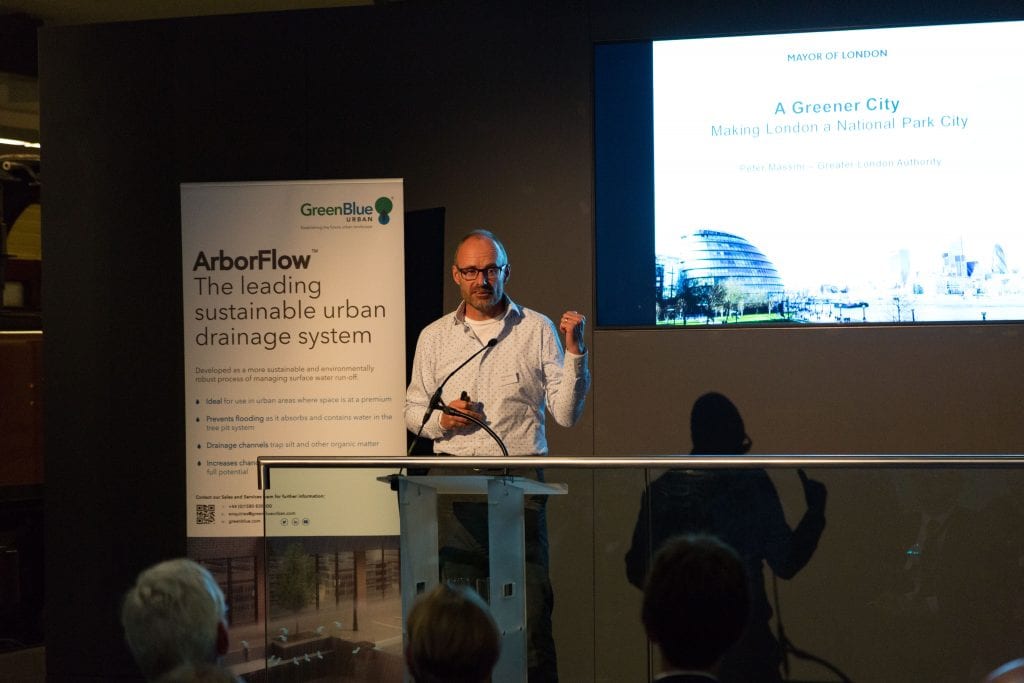
Attendees were treated to an evening of exciting and, in many ways, emotional and impassioned speeches from our external speakers; Paul Dodd from Urban Design London, John Parker from TFL and the LTOA, and Peter Massini from the GLA. The common thread from these eminent industry experts based in the capital, was that the need to integrate green and blue infrastructure, and particularly urban trees, has never been more critical.
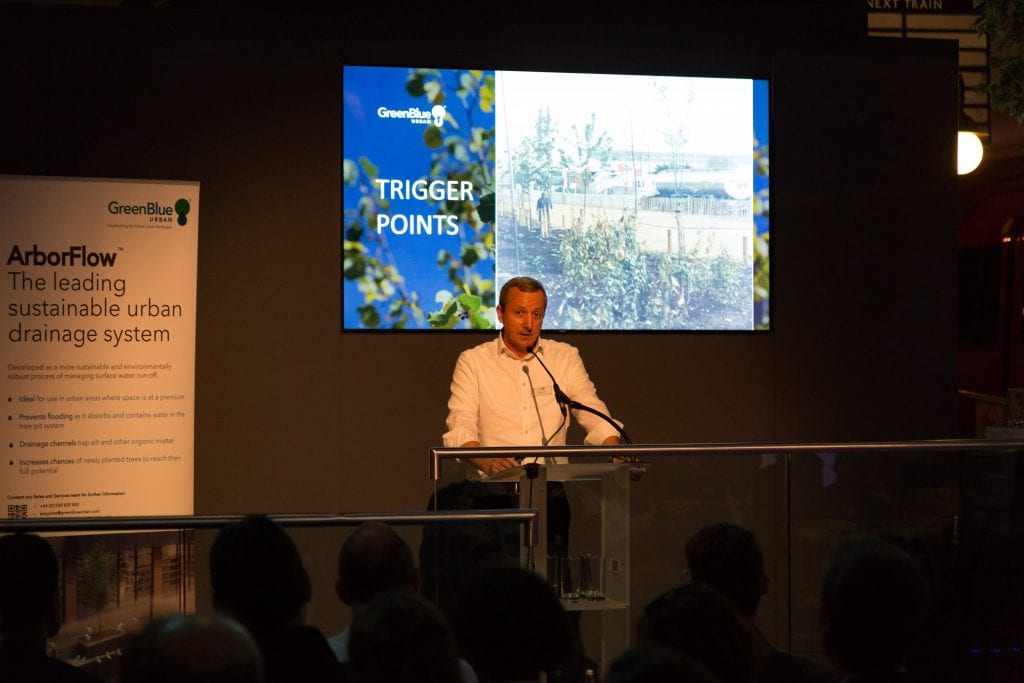
But what would all this be without an understanding of the evolution of GreenBlue Urban. The task of contextualising the significance of this 25 years anniversary was the presentation given by our CEO, Dean Bowie. He took the audience back in time to the late seventies when his desire to create a business to ensure the long-term survival of our urban trees was truly kindled. From a garden shed in Hastings, East Sussex, to a new purpose-built Head Office in Bodiam, Kent, (a hub of research and innovation) has required foresight, skill and tenacity. Simple aeration and irrigation systems were the premise at the beginning but the launch of RootSpace in 2016 has highlighted just how much has been achieved and what the next twenty-five years could bring.
Our birthday celebrations were a chance to reflect, to consider some of the issues we have tackled, principally what Dean has termed the de-compaction years where we developed our soil support systems. However, working with partners in the UK and abroad we know we have only touched the tip of the iceberg and tree pits provide a wealth of possibilities. Our friends and colleagues both those present at the celebration and those there in spirit have helped us to unlock the potential of tree pits and to bring trees into pit cities and we are more energised than ever to forge ahead into a new era.