In the consideration of what it actually means to be ‘great’, we should look at what it requires to accomplish equitable and sustainable cities for all. We applaud sportsmen and women and the heroes of ancient mythology for greatness but surely we can achieve greatness without recourse to tribalism, factionalism or exclusionary agendas.
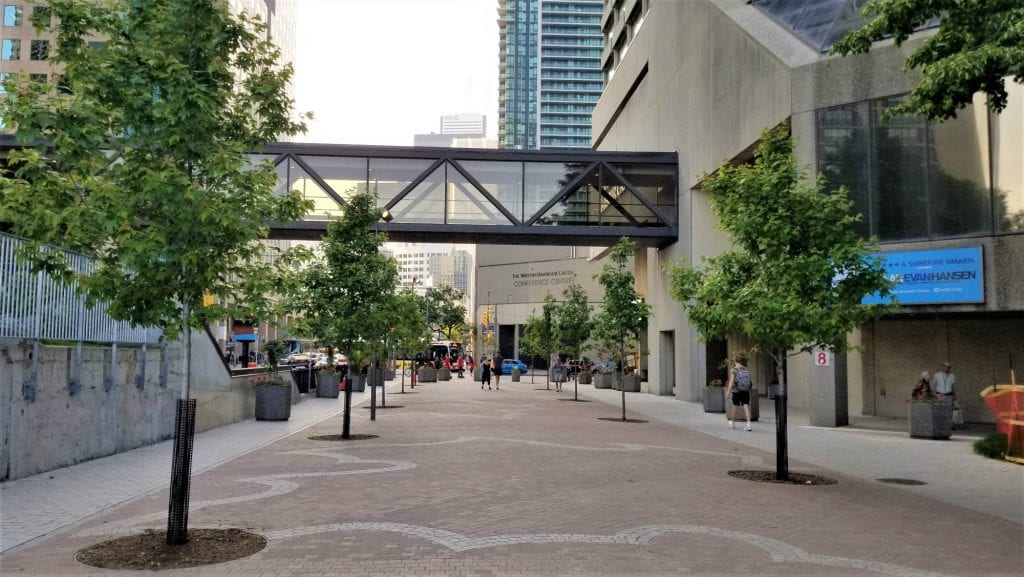
It is with this in mind that GreenBlue Urban started to consider how the environment and the development of urban spaces could be part of the ‘greatness’ agenda. Compared to our European counterparts, the US has developed a very different architectural vernacular and the spatial constraints that have historically beleaguered cities like Rome and Paris have not affected planners in North America in the same way. With this ‘opportunity’ in mind, it’s arguable that the great American dream can be attained through the provision of equitable urban spaces characterized by high-quality landscapes. Using green and blue infrastructure to create inclusive, cohesive environments across even the most deprived areas of our cities, designing for a different world whereby great is measured by one’s access to quality environments, reduction in crime, and one’s ability to breathe clean air, could be the answer to creating an era of greatness for all communities.

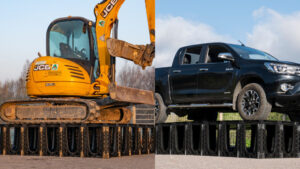
Using innovative engineered tree pit systems and thinking about the way the natural and built environment work in tandem, is inextricably linked to what it means to be ‘great’ in a modern-day context. The impact landscape has on citizens across our cities and towns has a particular bearing on national identity, pride, and self-confidence that exemplifies itself in a local manner. The development of environmental protest movements across the globe is testament to the fact that a common citizenship is developing around issues of environmental preservation and climate protection and a desire to become heroes for our planet. Less and less are there days of heroic deeds in warfare, but rather a new type of heroism predicated on environmental stewardship and a burning urge to create a better legacy for generations to come. When we have better urban canopy cover (trees that are delivering the plethora of ecosystems services we know they can and an urban forest that benefits our increasingly urbanized natures) we can truly say we have a great country.