
Importance of preparing cities for ‘El Nino’ climate events
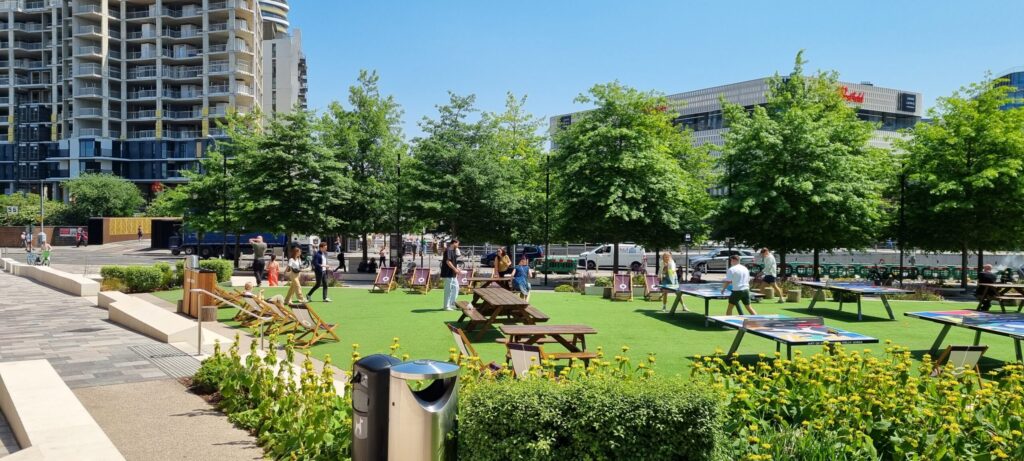
A ‘Super El Niño’ is set to make 2027 one of the hottest years on record, with temperatures potentially exceeding 40°C again in the UK, according to scientists reported in The Times. Our cities and towns must be prepared to help cool neighbourhoods, provide much needed shade and support healthier urban environments as climate pressures continue to intensify. […]
How to Build an Urban Tree
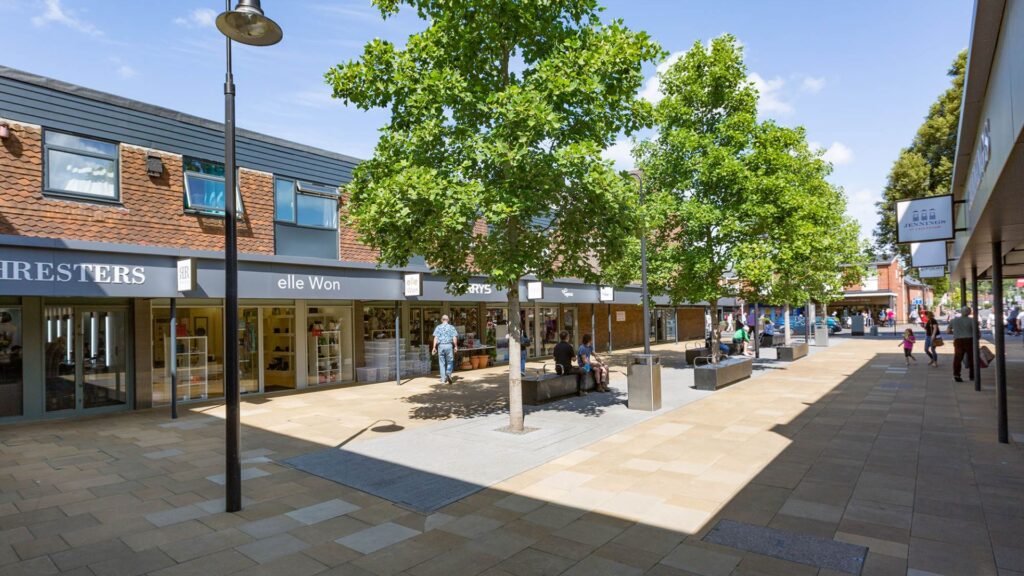
Urban tree populations in cities around the world are under pressure. Despite the clear benefits trees bring, including cooling streets, managing stormwater, improving air quality and creating better places to live, too many fail to establish, or never reach their full potential. Successful urban trees are the result of careful, considered design, where soil volume, water availability, rooting space and overall site conditions are […]
Root Girdling and Why Context Matters
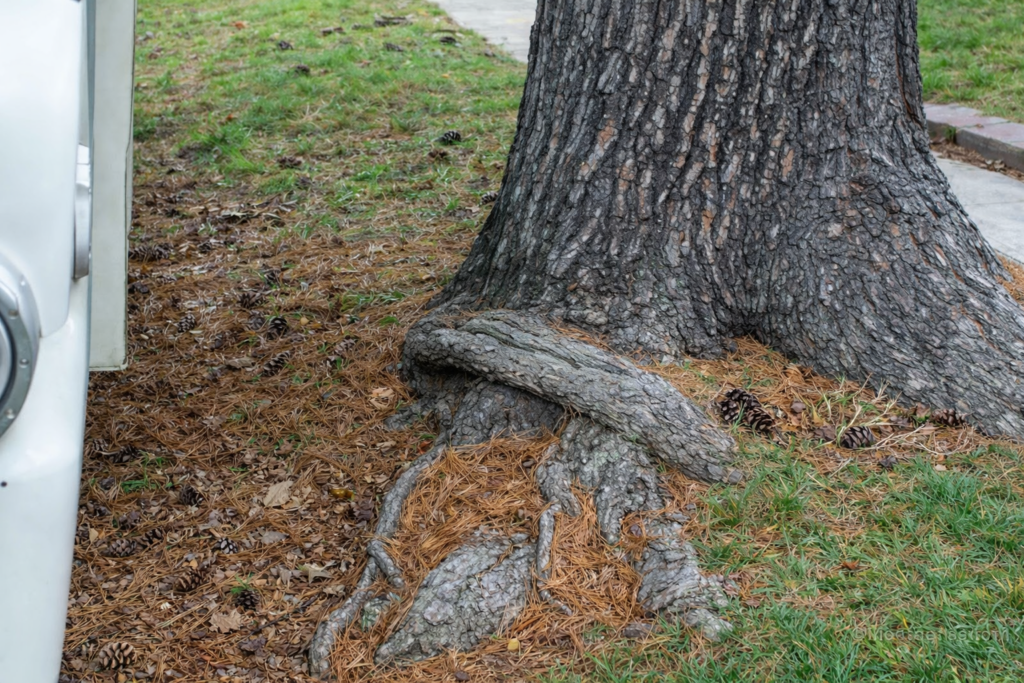
When the phrase root girdling appears in a specification meeting or planning discussion, it tends to stop the conversation cold. The challenge is that the term is often used loosely – sometimes to describe any visible change in root direction or diameter – when, biologically, true girdling is a very specific (and thankfully fairly uncommon) condition. What […]
Planting Is Easy. Keeping Trees Alive Is the Work.
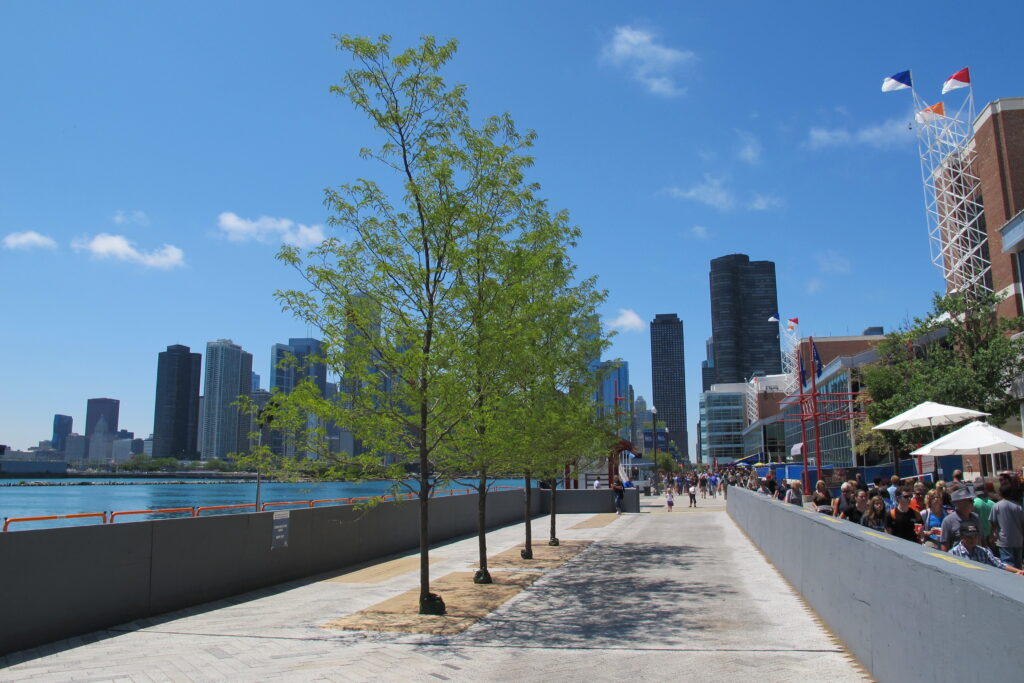
One of the biggest challenges facing the urban greening industry today is how we respond effectively to the accelerating climate crisis. It’s also how we align as a sector to support an integrated approach, one that considers both mitigation and adaptation to reduce emissions, manage stormwater, address the urban heat island effect, and ultimately help […]
Creating Moments to Pause with Spring Blossoms
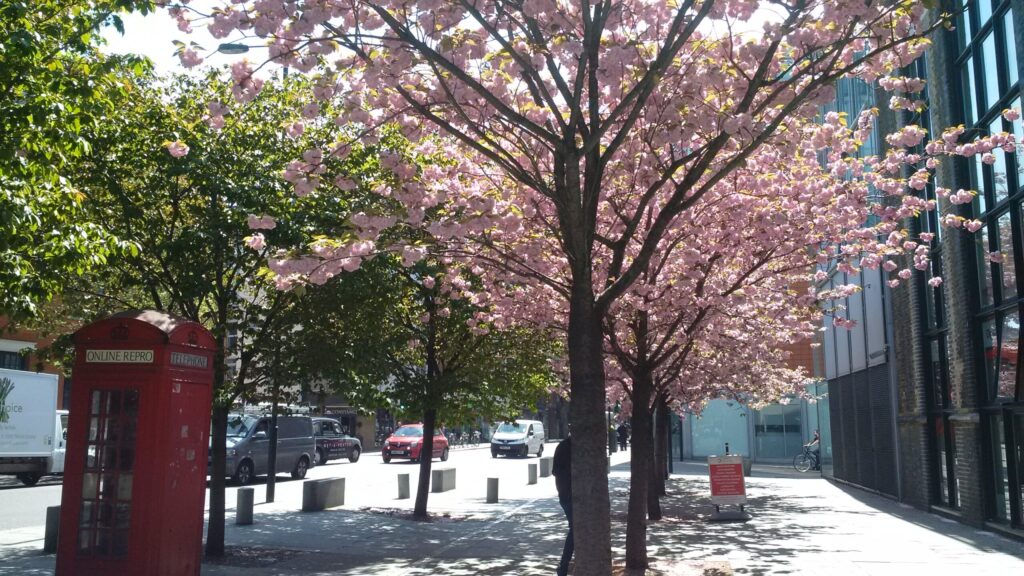
Planting a tree is often framed as an act of optimism, a gesture toward a greener, more hopeful future. But with blossom trees, the thinking starts earlier: choosing the right tree, the right place, and understanding what it will bring to a space over time. In urban environments, that early thinking is critical. Space is […]
The Critical Role of Interlocking Soil Cells in Urban Tree Infrastructure
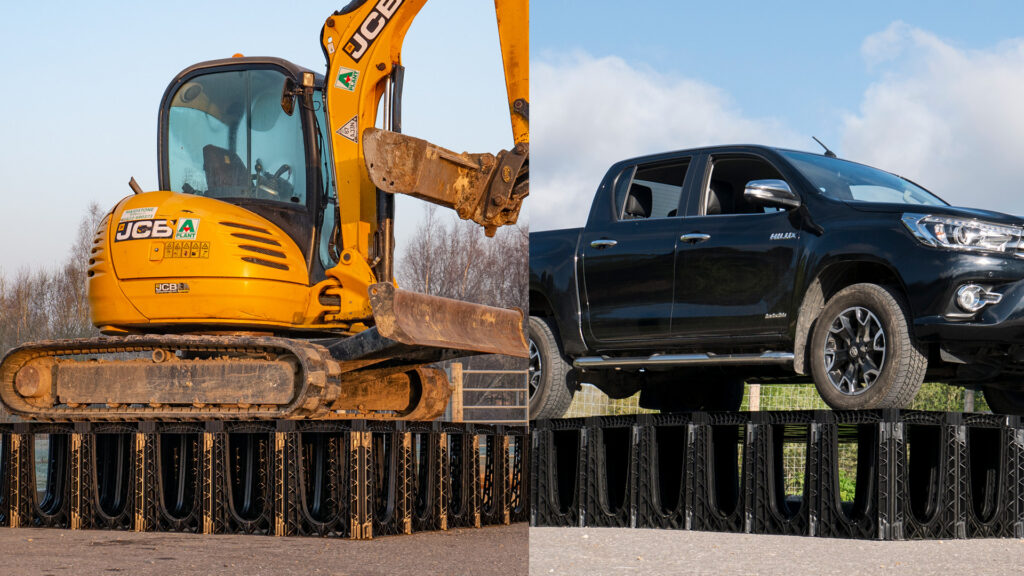
Designing urban landscapes that successfully support both healthy tree growth and the structural needs of pavements, pathways, and vehicle areas is a complex engineering challenge. Beneath the surface, the soil cell system plays an essential role in meeting these demands. Its ability to bear static loads, resist lateral forces and preserve large volumes of uncompacted […]
Soil Placement Drives Long-Term Urban Tree Performance
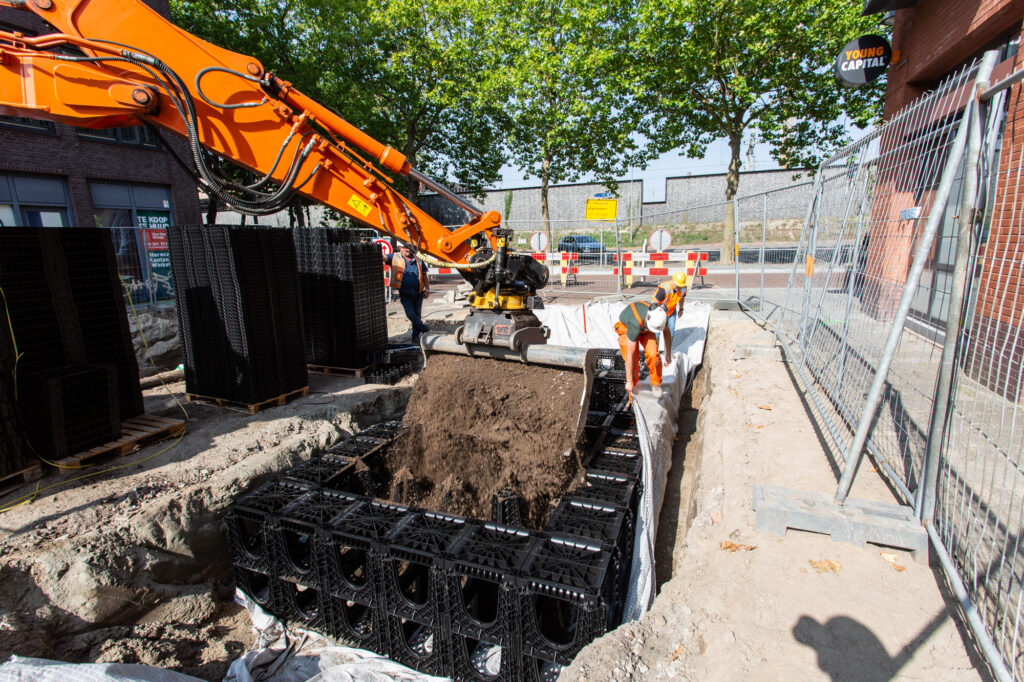
Soil in urban environments rarely provides the conditions trees need to grow and thrive. Limited rooting space, compaction, and conflicts with surrounding infrastructure all work against long-term tree performance. That’s why designers and contractors use soil cells — not just to support pavements, but to create a stable, healthy soil environment beneath them. We’ve put […]
Root Girdling and Why Context Matters
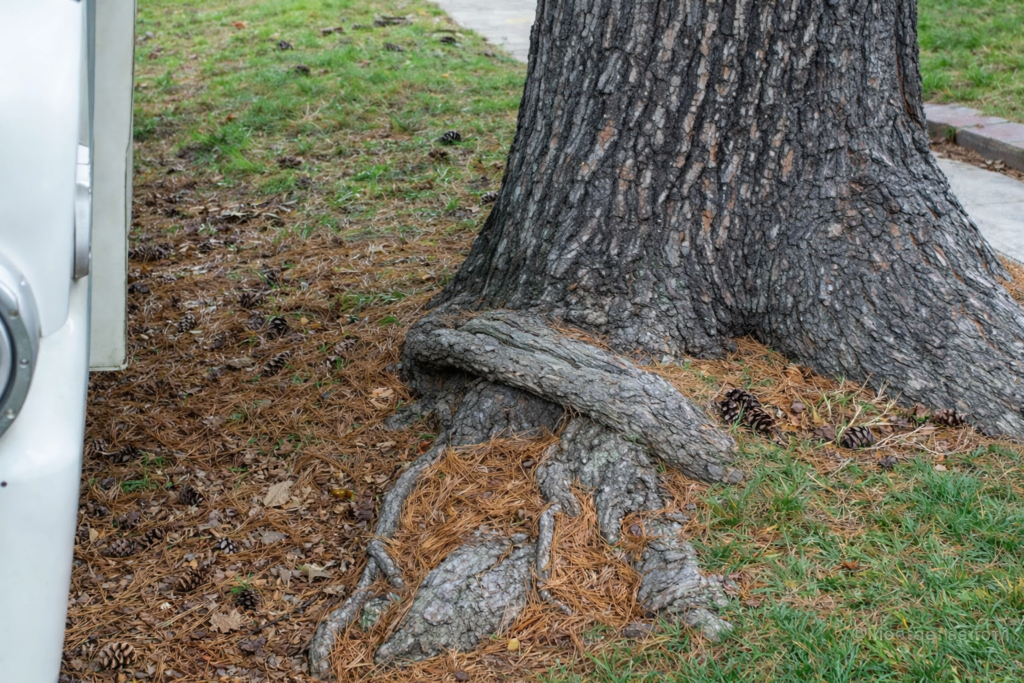
When the phrase root girdling appears in a specification meeting or planning discussion, it tends to stop the conversation cold. The challenge is that the term is often used loosely – sometimes to describe any visible change in root direction or diameter – when, biologically, true girdling is a very specific (and thankfully fairly uncommon) […]
Urban Trees Are Not Just For Christmas
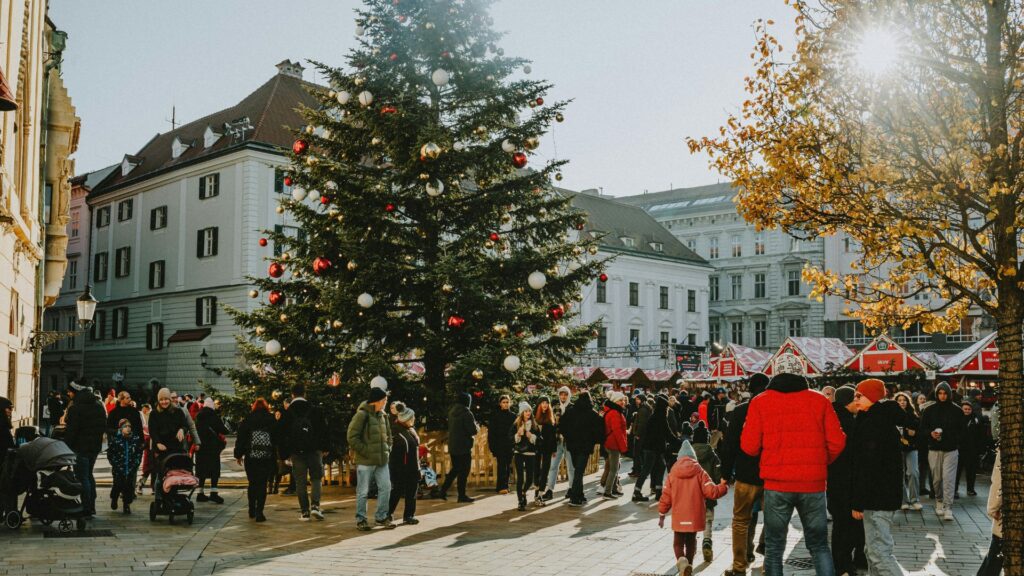
Each winter, towns and cities adopt a more festive character. Streets are illuminated, markets appear, and in many public squares a temporary Christmas tree becomes the focal point for seasonal gatherings. These installations bring warmth and atmosphere, but by early January they are dismantled and the space returns to a familiar hard, gray condition. This […]
How to Plant Street Trees Around Utilities Without Damage
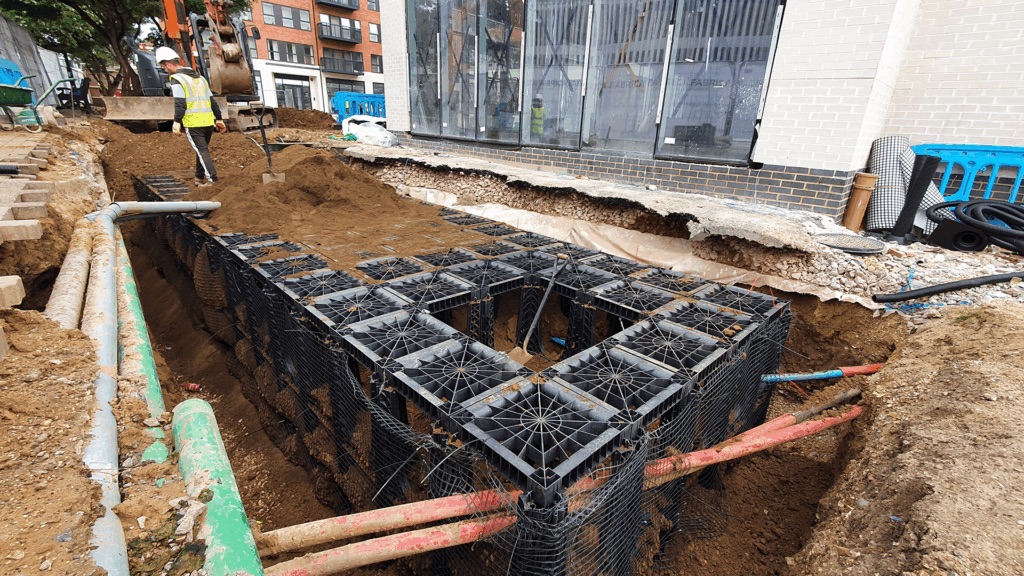
Urban environments are complex, high-demand spaces where every inch of land serves a function. Yet even in densely built areas, greenery is not optional — it’s essential. Street trees do far more than beautify communities. They improve air quality, mitigate urban heat, support biodiversity, intercept rainfall, stabilize soil, and contribute to healthier, more resilient neighbourhoods. […]