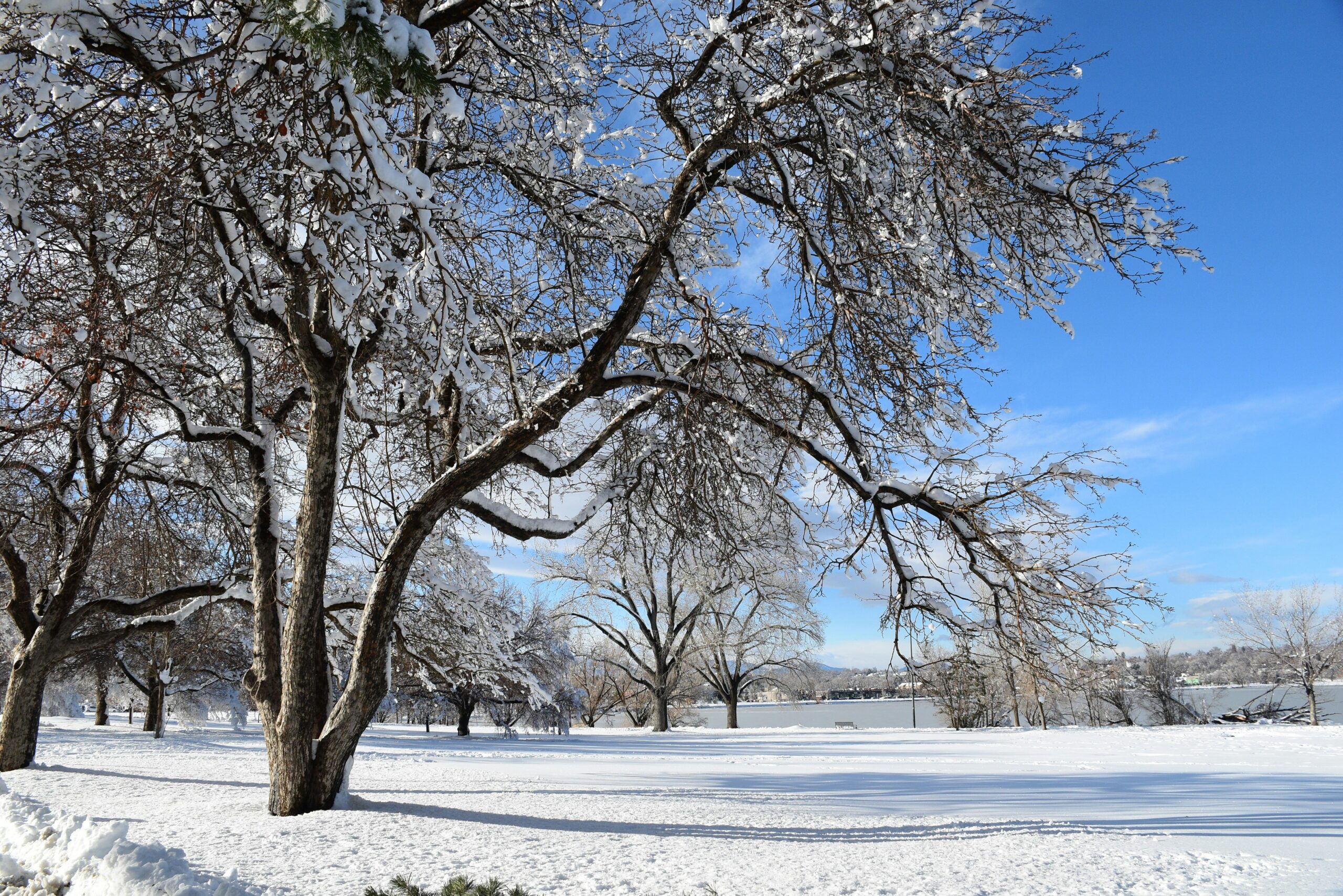
During winter, many urban trees enter dormancy, slowing their growth and conserving resources until conditions improve. Deciduous trees shed their leaves, while evergreens retain foliage, but both must cope with colder temperatures, shorter days and changes in water availability.
Although there may be little visible growth, trees still depend on the conditions around their roots. In streets and public spaces, soil quality, drainage and the care provided during the colder months all contribute to their health.
Why Do Trees Lose Their Leaves?
For deciduous trees, leaf fall is part of preparing for winter. As daylight hours shorten and temperatures fall, trees begin to withdraw valuable nutrients from their leaves before shedding them.
Losing leaves helps reduce water loss when cold or frozen soil can make water harder to absorb. It also means the tree no longer has to maintain a large leaf canopy during months when there is less light available for photosynthesis.
Before winter arrives, many trees have already formed the buds that will produce the following season’s leaves or flowers. These remain protected until conditions are suitable for growth.
What Happens Below Ground?
The roots do not necessarily stop growing when the leaves fall. Root activity depends on soil temperature, moisture and oxygen availability, so some growth can continue while conditions remain favourable.
This makes the below-ground environment important throughout the year. Roots need access to moisture, but they also need oxygen within the soil. Prolonged waterlogging reduces that oxygen supply and can affect root health.
In urban settings, compacted soil and restricted rooting space can make these conditions harder to manage. Providing sufficient suitable soil, with appropriate drainage and aeration, helps support trees through winter and into the next growing season.
How Do Evergreen Trees Cope?
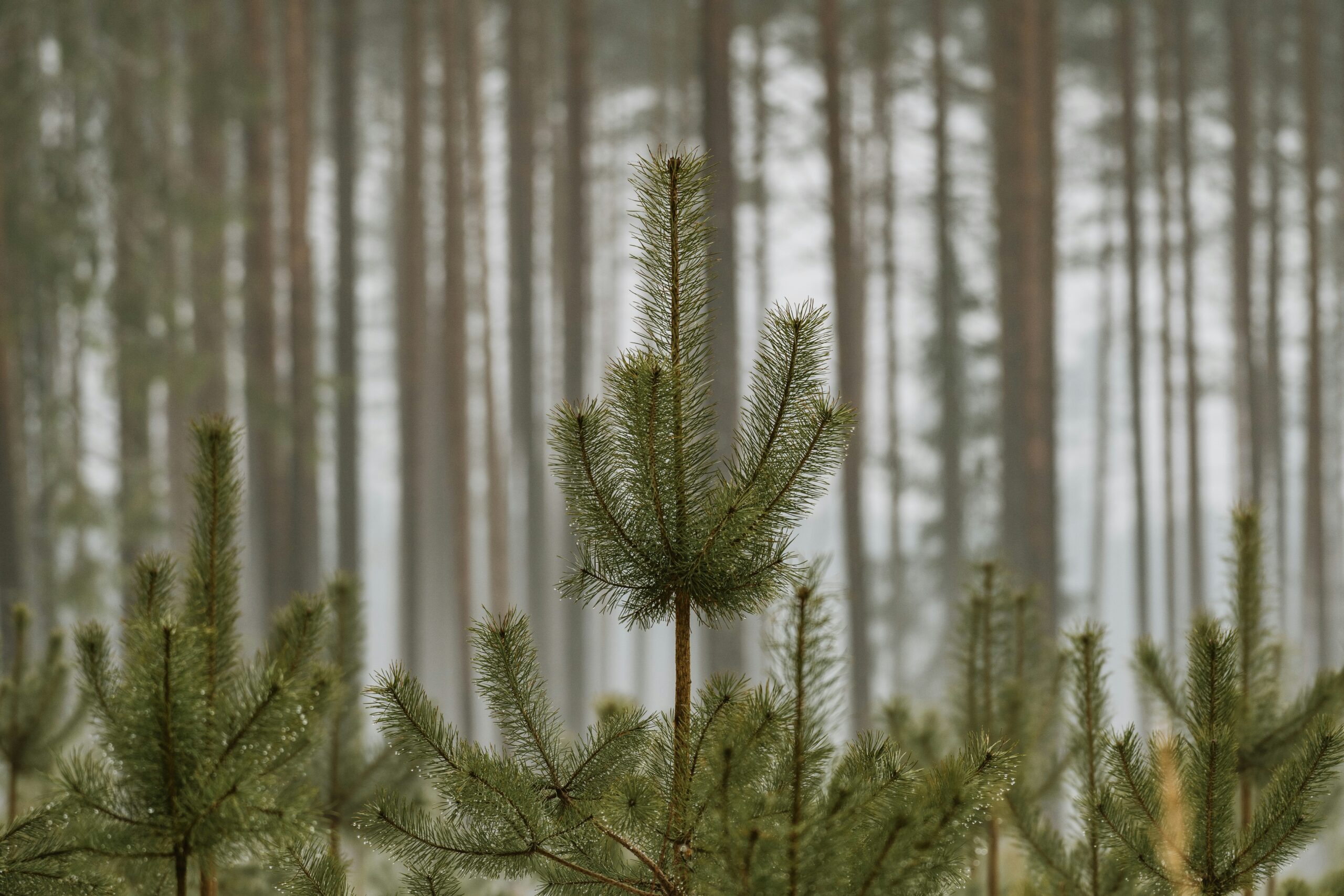
Evergreen trees retain foliage through winter, although they replace older leaves over time. Many have features such as waxy leaf surfaces or needles that help limit water loss.
They can continue to photosynthesise when light, temperature and water availability allow, but their growth generally slows during colder weather. Retaining foliage also means they continue to lose some water, making access to soil moisture important even in winter.
For newly planted evergreens in particular, cold, drying winds and frozen ground can create difficult conditions. Winter care therefore needs to reflect the species and site rather than assuming that all trees have the same requirements.
The Challenges of an Urban Winter
Trees beside roads and footways face additional pressures during the colder months. De-icing salt can reach planting areas through spray and runoff, affecting roots and damaging exposed vegetation.
Heavy rainfall can also reveal drainage problems, particularly where soils are compacted or water collects around the rooting area. Dormancy does not remove the need for suitable growing conditions.
These pressures underline the value of considering trees alongside surrounding surfaces, drainage routes and winter maintenance activities. The way a street is designed and managed influences what reaches the soil beneath it.
Supporting Trees Through the Colder Months
For those responsible for newly planted trees, winter is a useful time to check stakes, ties and guards, particularly after strong winds. Ties should remain secure without rubbing or restricting the trunk, and any damage should be addressed.
Soil moisture also needs attention. Rainfall may reduce watering requirements, but watering decisions should still reflect actual ground conditions, the species and how recently the tree was planted.
A suitable mulch layer can help moderate soil conditions and retain moisture, provided it is kept clear of the trunk. Protecting planting areas from compaction and avoiding the storage of salted snow around trees can also help safeguard their growing environment.
Preparing for Spring
The conditions a tree experiences during winter influence its ability to resume growth in spring. Adequate rooting space, healthy soil and appropriate maintenance all help support that seasonal transition.
Planning for successful urban trees means considering their needs throughout the year. The foundations provided below ground remain important long after planting, through each period of growth and dormancy.
Discover More with GreenBlue Urban Academy
Our Urban Trees course explores why urban trees matter, why they can struggle and the fundamentals that support successful planting.
Explore the course to learn more about helping urban trees thrive throughout the seasons.