Urban tree planting has changed considerably, but one challenge has remained consistent: how do we provide trees with enough suitable soil to establish and mature when they are planted within hard landscapes?
Roads, pavements and public spaces need to be structurally supported, which has traditionally meant using heavily compacted material below ground. Trees, however, need access to uncompacted soil containing sufficient air, water and nutrients if their roots are to develop successfully.
Finding a way to accommodate both requirements within the same space has shaped GreenBlue Urban’s soil cell development for more than two decades.
That journey began in 2001 with the introduction of RootCell, the first commercially available soil cell developed specifically to provide uncompacted rooting volume beneath hard landscaped areas. Since then, the system has continued to evolve through StrataCell, RootSpace and RootSpace G2 as project requirements, installation methods and our understanding of successful urban tree establishment have developed.
RootCell: Where the journey began
By the late 1990s, GreenBlue Urban was already looking closely at the conditions needed to establish trees successfully within streets and other paved environments.
The conflict below ground was clear. The surrounding pavement needed a stable foundation, while the tree needed access to soil that had not been compacted to the point where root growth, water movement and aeration were restricted.
This led to the development of RootCell, which was launched in 2001.
The principle was simple but important: a structural cellular system could support the pavement above while protecting the soil within the tree pit from compaction. This created space for roots to develop beneath the surrounding hard surface rather than being restricted to a relatively small conventional planting hole.
RootCell became the first commercially available soil cell developed specifically for urban tree planting and established the basic principle that continues to underpin modern soil cell systems today.
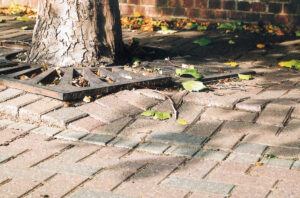
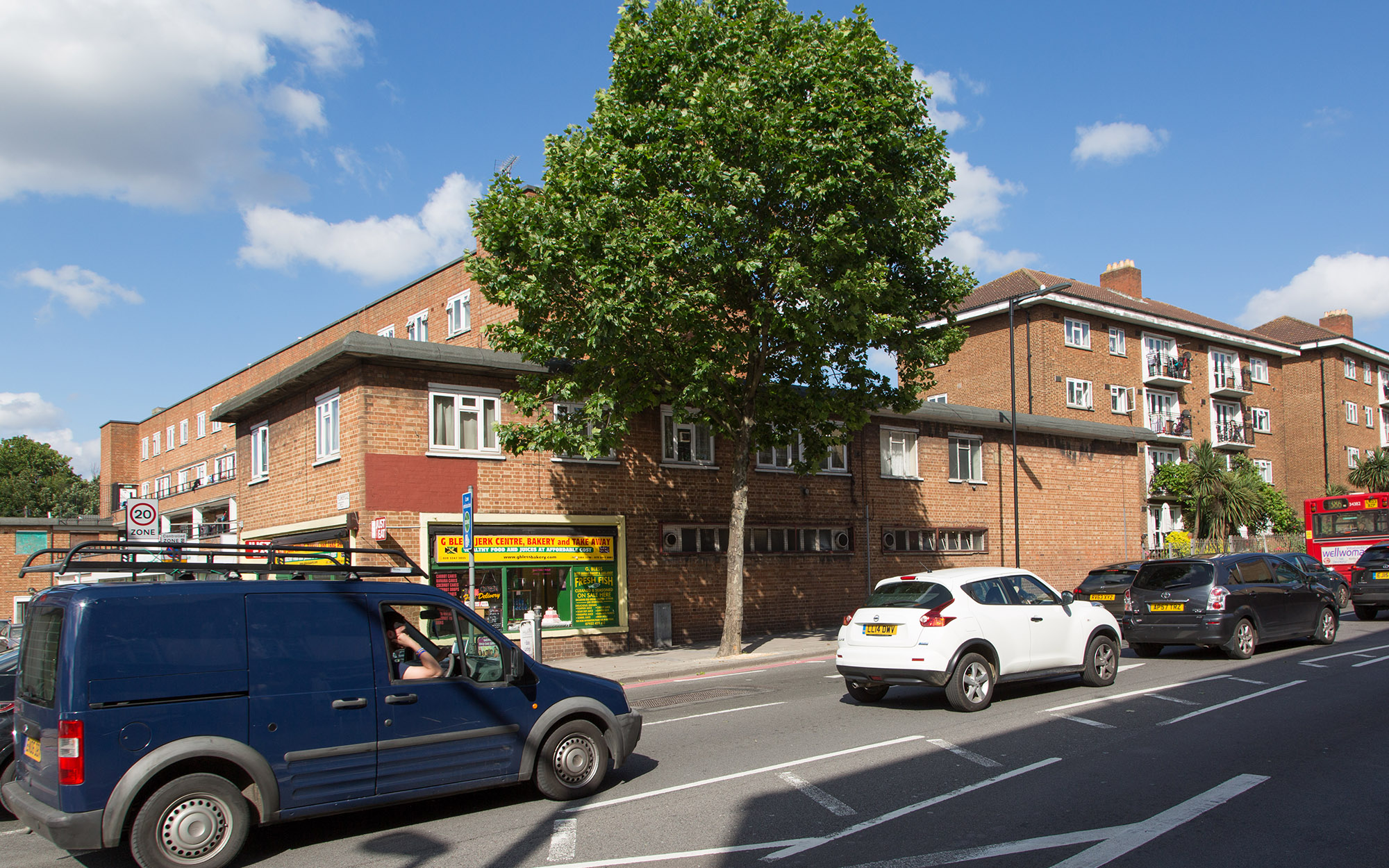
One of the earliest installations took place at Blackheath Hill in London in 2001. When the site was revisited more than a decade later, the tree had established successfully while the surrounding pavement remained stable.
For us, projects like Blackheath were particularly important because they allowed the performance of the system to be assessed over time. Successful urban tree planting is ultimately measured in decades rather than at practical completion, so being able to revisit early installations has played an important role in informing the systems that followed.
StrataCell: Building on the original concept
As soil cells began to be used on larger and more complex projects, there was a need to make it easier to create greater soil volumes while improving installation efficiency.
GreenBlue Urban introduced StrataCell in 2007 as the next stage in that development.
The larger, stackable structure allowed substantial connected soil volumes to be created using fewer individual components, while its open design made soil placement easier during installation. Different depths and layouts could also be created to suit the available space around the tree.
This provided greater flexibility for designers working within constrained urban environments and helped make soil cells practical for a wider range of streetscape and public-realm projects.
StrataCell remains part of the GreenBlue Urban soil cell range today and can be particularly useful where excavation depth or available space limits the type of tree pit that can be installed.
The experience gained from both RootCell and StrataCell also highlighted how quickly the demands being placed on urban tree systems were changing. Tree pits were becoming larger, utility corridors more congested and expectations around canopy cover, longevity and long-term performance were increasing.
These requirements formed part of the thinking behind the development of RootSpace.
RootSpace: The next stage of development
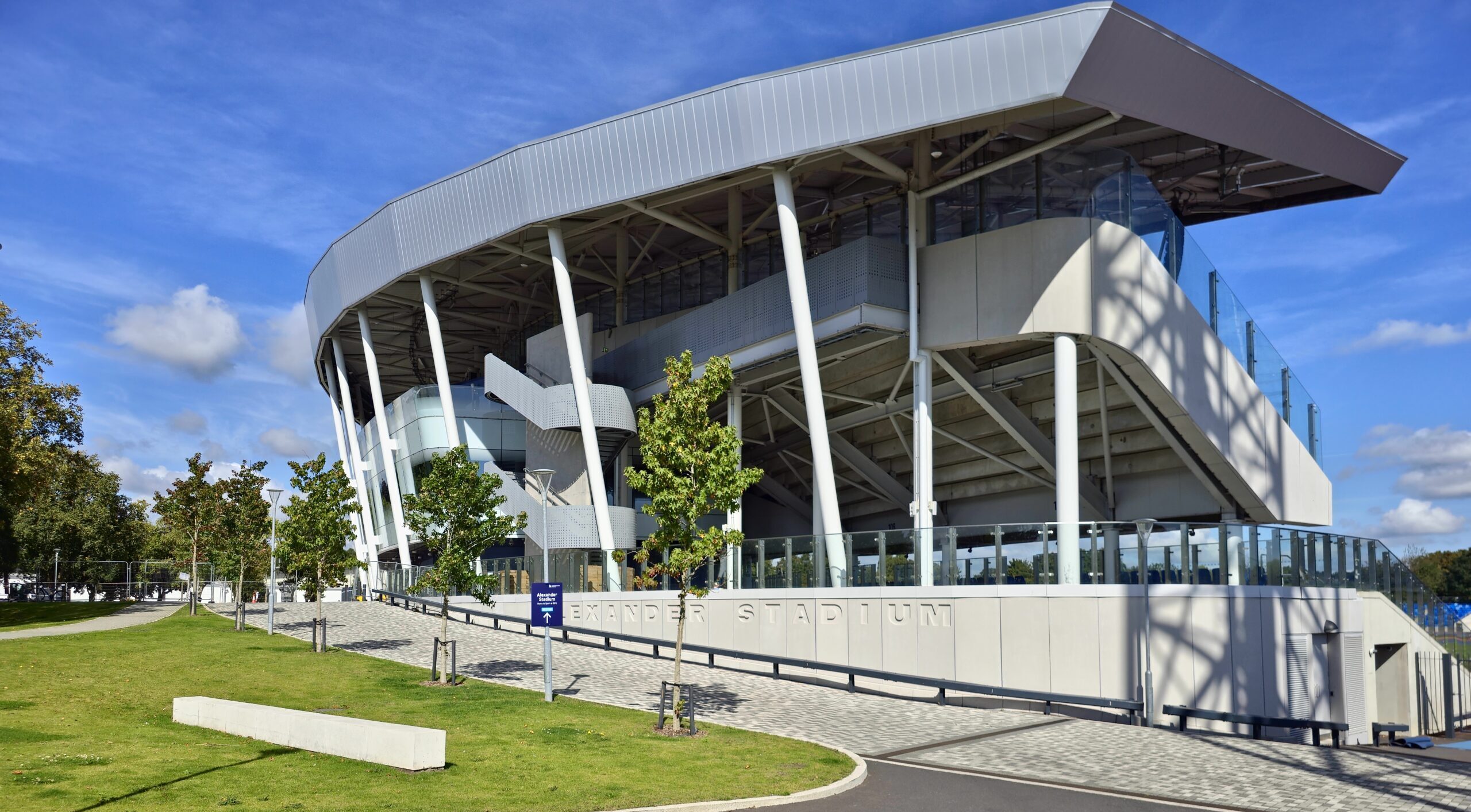
In 2016, GreenBlue Urban introduced RootSpace, developed from the experience gained through the previous generations of soil cells and with a particular focus on creating larger, more open and adaptable rooting environments.
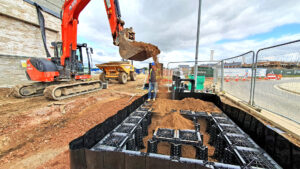
Rather than relying on a series of smaller individual cells, RootSpace uses interconnected panels to create a highly open soil volume beneath the pavement. This gives roots greater freedom to move through the available soil and makes it easier to place soil throughout the system during installation.
The design also gives engineers and landscape professionals more flexibility when coordinating tree pits around the realities of an urban site.
Few tree pits are installed into completely clear ground. Utilities, drainage infrastructure, highways construction, existing foundations and restricted excavation depths can all influence the amount and shape of space available below ground.
RootSpace allows the soil volume to be configured around many of these constraints while maintaining the structural support required for the surface above.
Its introduction in 2016 marked the next significant stage in GreenBlue Urban’s soil cell development, building on 15 years of experience since the original RootCell was launched.
Structural performance has also been an important part of the system’s development. RootSpace has been independently assessed by the British Board of Agrément (BBA), providing third-party certification of its performance.
BBA certification remains unusual within the soil cell market and provides designers, engineers and highways teams with an additional level of assurance when assessing a system for use beneath load-bearing surfaces.
The certification sits alongside the practical experience gained from RootSpace installations across a wide range of projects, allowing both independent testing and real-world performance to inform the way the system is specified and used.
2018: RootSpace G2
Two years after the introduction of RootSpace, RootSpace G2 was launched in 2018, continuing the development of the system and increasing the range of configurations available to designers.
Additional module depths made it possible to create rooting environments where excavation was restricted, while the open structure allowed irregular soil volumes to be designed around utilities and other below-ground infrastructure.
RootSpace G2 also built on the installation and structural principles established by the original RootSpace system, giving designers greater flexibility when responding to different site conditions while maintaining a large, connected volume of uncompacted soil.
The system can be incorporated alongside irrigation, aeration, root management and drainage components, allowing the complete tree pit to be considered rather than treating the soil cell as an isolated product.
This reflects one of the most important lessons from more than 25 years of urban tree planting: successful establishment depends on the whole below-ground environment.
Soil volume is critical, but soil quality, water availability, oxygen, drainage, root management and appropriate species selection all contribute to whether a tree is able to reach maturity.
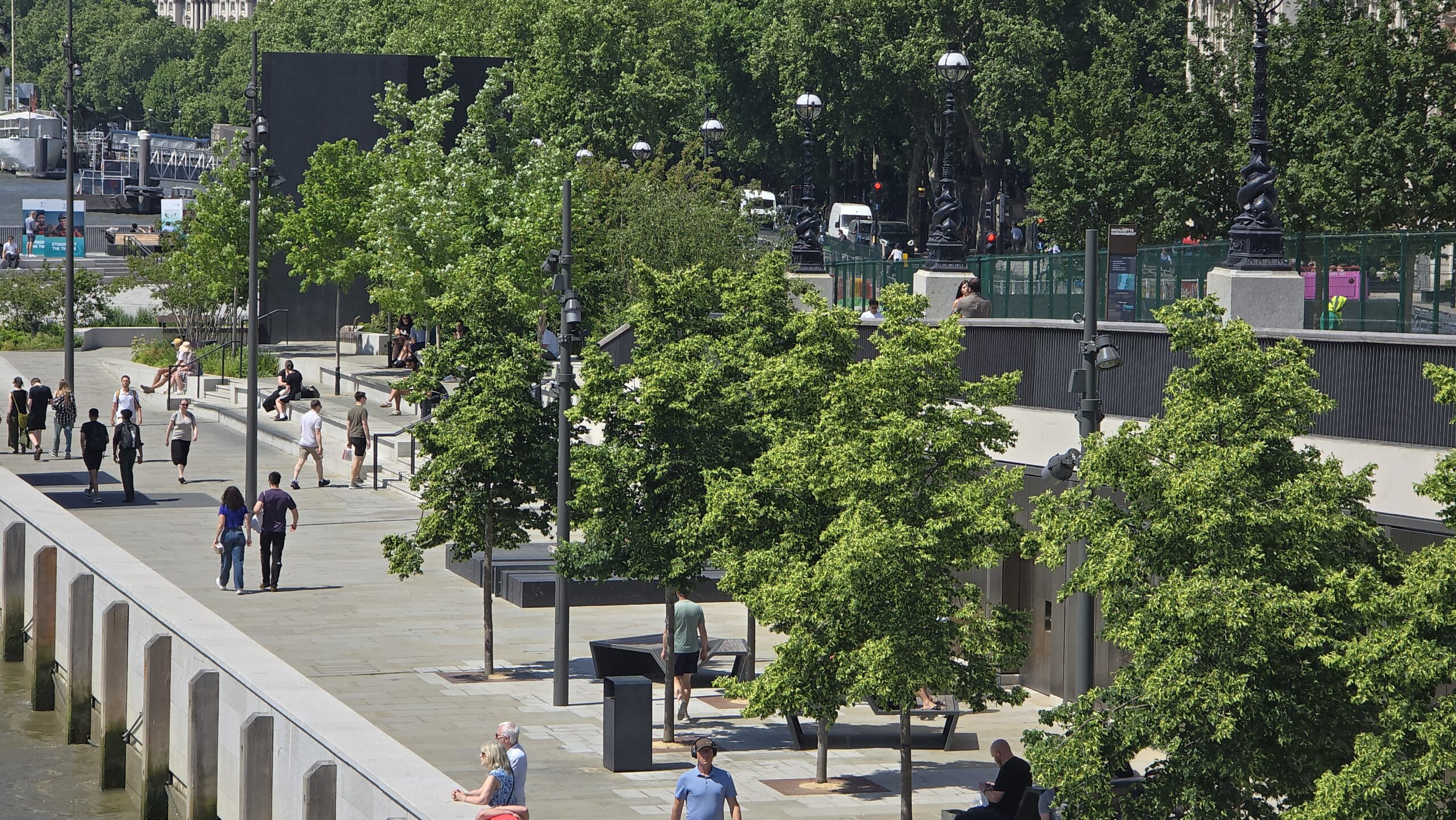
The changing role of the urban tree pit
The role of the tree pit itself has also changed significantly since RootCell was launched in 2001.
Early soil cell systems were primarily focused on creating the uncompacted soil volume required to establish trees within paved environments. That remains their core purpose, but tree pits are now increasingly designed as part of wider green infrastructure and Sustainable Drainage Systems.
Where site conditions allow, runoff can be directed into the soil surrounding the tree, allowing the tree pit to contribute to rainfall interception, filtration, attenuation and evapotranspiration.
This means the same below-ground space that supports long-term tree growth can also help manage surface water, while the mature tree above contributes shade, cooling, biodiversity and greater canopy cover.
For many projects, trees and drainage are now designed together, making better use of the limited space available within streets and public spaces.
More than 25 years of development
Looking back over the development of GreenBlue Urban’s soil cells, each generation has responded to the challenges being encountered on real projects.
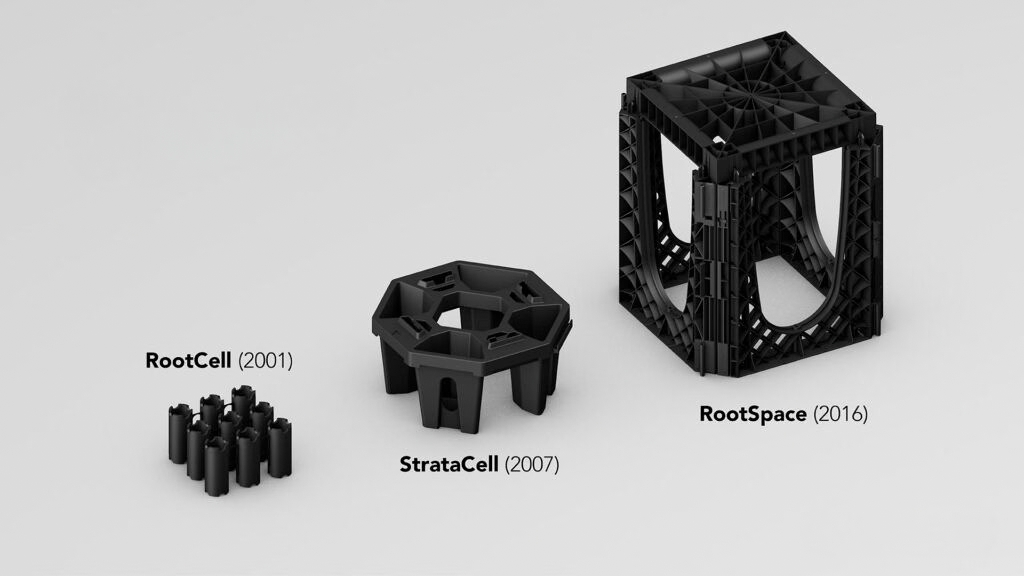
- RootCell was introduced in 2001 as the first commercially available soil cell developed specifically for urban tree planting, creating a way to provide uncompacted soil beneath hard surfaces while maintaining structural support above.
- StrataCell followed in 2007, allowing larger soil volumes to be created more efficiently.
- RootSpace was introduced in 2016, developing the concept further through a more open structure, greater flexibility around utilities and a design suited to increasingly complex urban environments.
- RootSpace G2 followed in 2018, broadening the system further and providing additional flexibility in depth, layout and application.
The systems have changed considerably over that time, but the objective has always been to create the below-ground conditions that give urban trees the best opportunity to establish, mature and deliver the benefits expected from them.
More than 25 years after the introduction of RootCell, that continues to guide the way we develop our urban tree systems today.