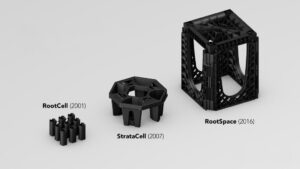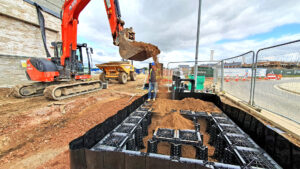
Value engineering is part of modern construction. Every project is under pressure to deliver quality outcomes while maintaining programme and budget objectives.
As a result, below-ground specifications are often reviewed alongside every other package. Tree pits and soil cell systems are no exception.
What makes below-ground infrastructure slightly different is that these systems rarely exist in isolation. They often sit at the intersection of several design disciplines, including highways, drainage, landscape and structural engineering. A specification that appears straightforward on a drawing may have been selected to satisfy a range of project requirements.
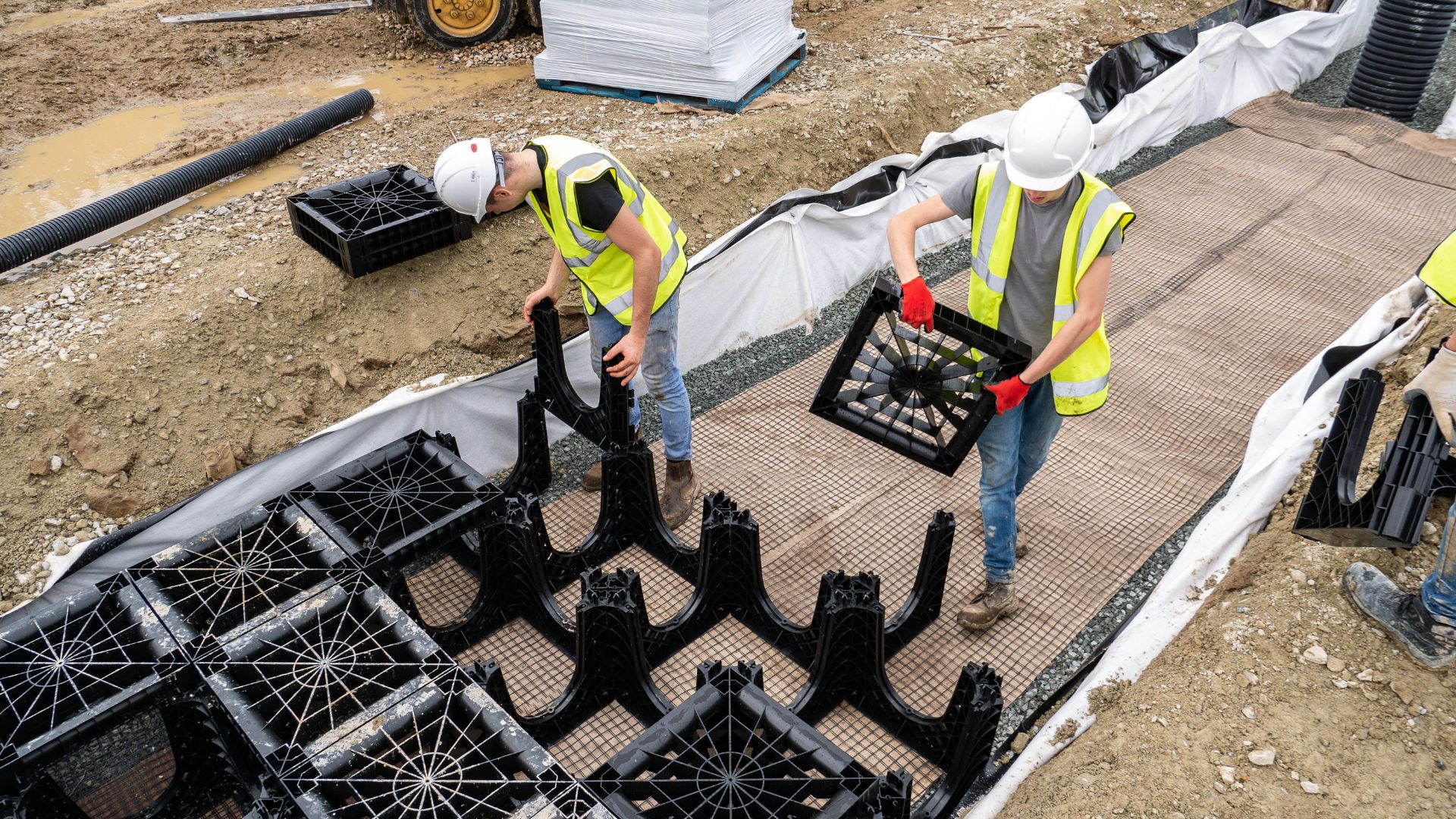
For contractors, the challenge is understanding what else may need to be reviewed when it is.
For example, a soil cell system may influence pavement design, loading assumptions, soil volume provision, drainage connectivity or SuDS performance. Changing the system does not necessarily mean these requirements change too, but it would be worth confirming whether the original design assumptions still apply.
On some projects, that review may be relatively simple. On others, it could involve input from the designer, highways authority, drainage engineer or adopting body. Understanding this early can help avoid unexpected programme implications later in the project.
It is also worth considering that below-ground systems are difficult to access once completed. This makes early design coordination particularly valuable, as any changes become significantly more complex after hard landscaping and surface finishes have been installed.
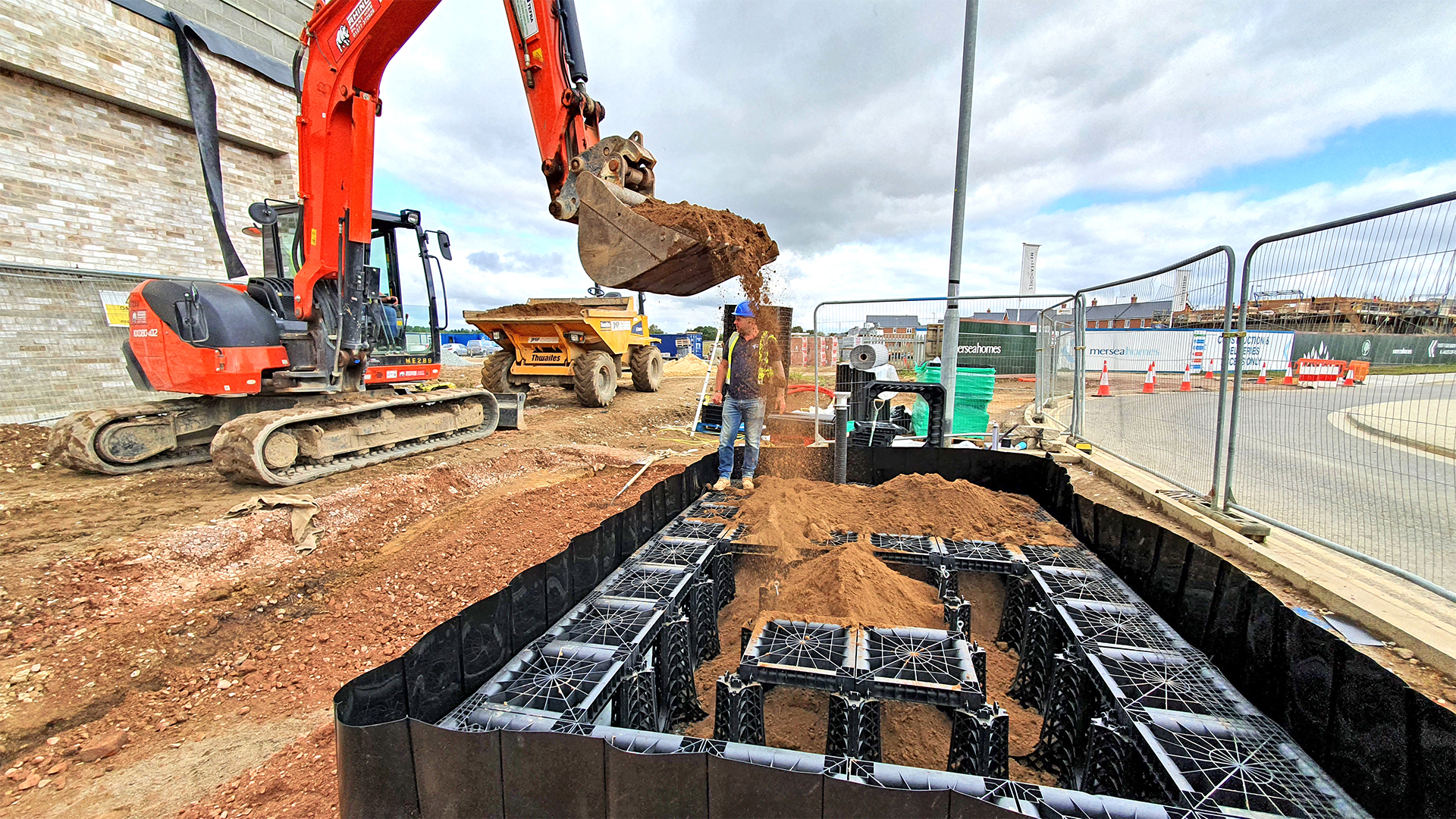
When reviewing a proposed specification change, contractors may find it useful to consider:
- Does the alternative provide the required soil volume?
- Does it support the intended pavement design?
- Are drainage and SuDS requirements unchanged?
- Have any loading assumptions changed?
- Does the proposal affect adoption or approval requirements?
- Has the relevant designer reviewed the change?
- Is there a clear record of what has been accepted and by whom?
None of these questions are intended to prevent value engineering. In many cases, alternative solutions can be entirely appropriate.
The key is understanding how a proposed change interacts with the wider project requirements before decisions are made.
To support specification reviews, we have developed a Contractor Specification Risk Checklist that highlights some of the common considerations teams may wish to review before approving a change.