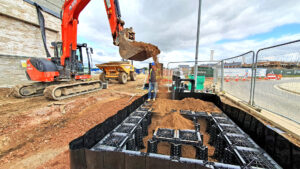
Water companies have entered AMP8 with a clear objective: remove rainwater from overloaded sewer networks.
The reasons are well understood. Climate change is increasing the frequency and intensity of rainfall events, sewer networks are under growing pressure, regulatory expectations continue to rise, and communities want to see visible action that improves the places where they live and work.
What has changed in recent years is the conversation around the solution.
Most organisations are no longer asking whether Sustainable Drainage Systems (SuDS) should play a role. The benefits are widely recognised, and the industry has moved beyond proving the value of nature-based infrastructure. Instead, the focus has shifted towards a different challenge: delivery.
AMP8 demands programmes that can be delivered at a pace and scale rarely seen before. The ambition exists, the funding exists and the technical solutions already exist. The question facing many organisations is how to translate that ambition into projects on the ground quickly, consistently and across multiple locations.
This is where delivery often becomes the bottleneck.
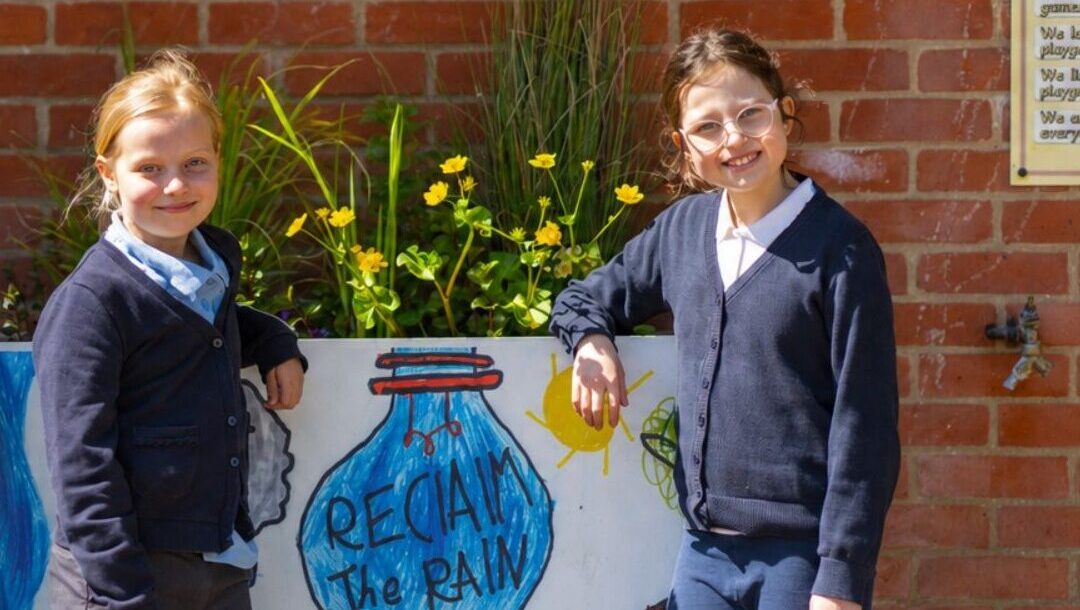
While the objective may be simple, implementation rarely is. Every site brings its own set of challenges, whether that is existing infrastructure, highways requirements, planning constraints, land ownership, community priorities or the unique characteristics of the local catchment. As many water companies have highlighted, one size does not fit all.
Yet at the same time, AMP8 programmes cannot afford to treat every project as a completely bespoke exercise. To achieve meaningful scale, delivery must be repeatable, efficient and capable of being replicated across dozens, or even hundreds, of locations.
Balancing those two requirements is one of the defining challenges of AMP8.
Programmes need enough flexibility to respond to local circumstances while maintaining the consistency required to keep momentum. They need robust design, meaningful stakeholder engagement and strong governance, but they also need to avoid creating layers of complexity that slow delivery down.
The challenge only increases as programmes grow. Ten projects do not create ten times the workload. They create exponentially more stakeholders, approvals, surveys, contractors, consultations and coordination. Every additional handover introduces another opportunity for delay, another decision point and another layer of programme management.
The organisations delivering most effectively at scale are recognising that the answer is not simply to add more resource. Instead, they are turning to specialist delivery partners that have built their entire operation around nature-based infrastructure.
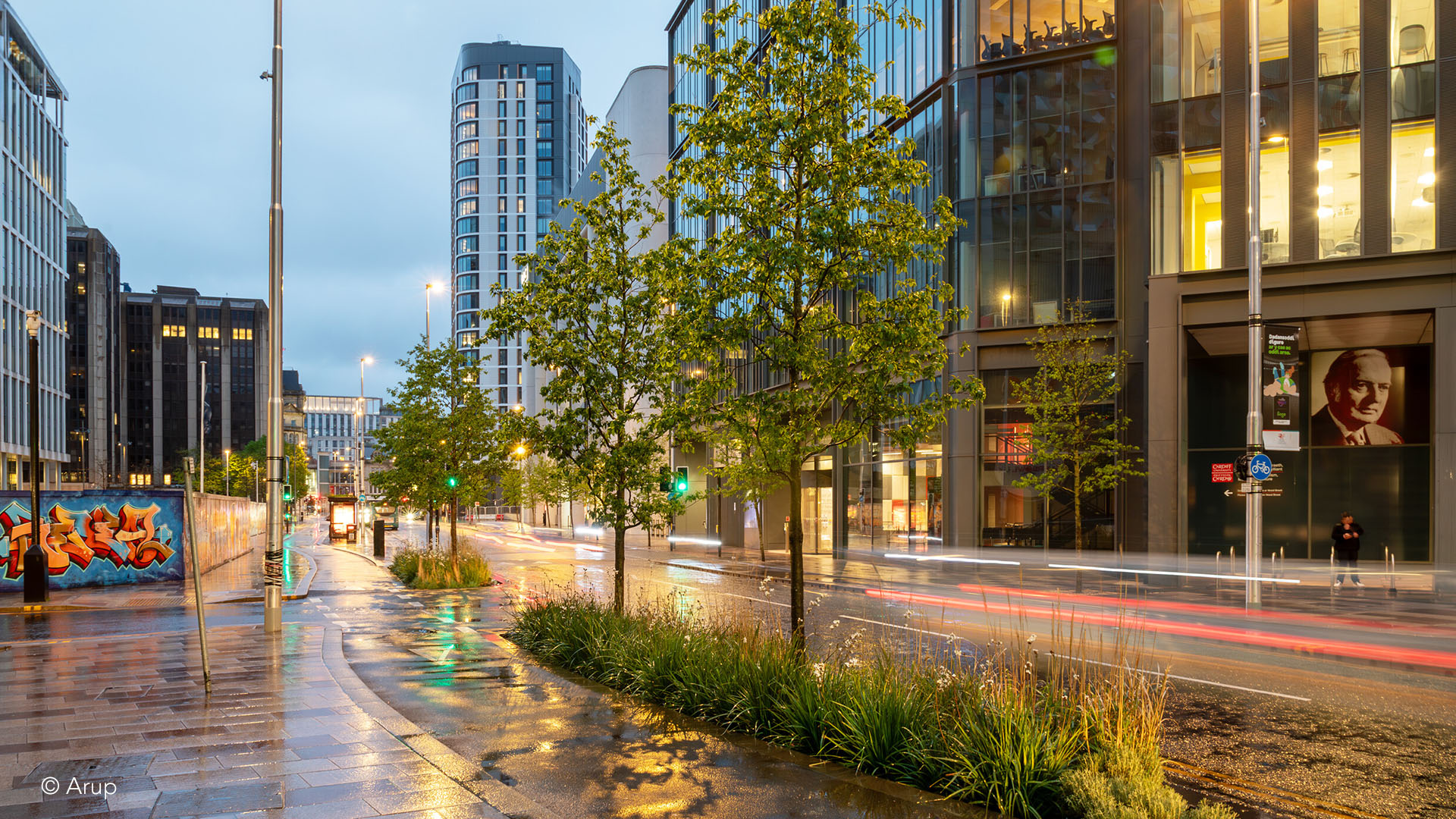
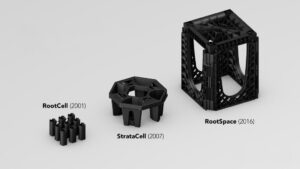
While large multidisciplinary organisations provide valuable strategic and programme-wide expertise, specialist providers bring something different. Their focus is narrower, but considerably deeper. Because they work exclusively within a specific discipline, they can develop standardised methodologies, modular design approaches, dedicated supply chains and delivery workflows that are difficult to replicate within broader organisations.
For specialists, many of the challenges associated with nature-based SuDS are not new problems to solve each time. They are familiar challenges with proven solutions already in place. This allows projects to move more quickly from concept to delivery while maintaining consistency and quality across multiple locations.
The same principle applies throughout the supply chain. Scalable delivery depends on having established manufacturing capacity, proven installation methodologies and experienced technical teams capable of supporting programmes across entire regions rather than individual sites. When these systems are already embedded within the delivery model, growth becomes more manageable and programmes can expand without a corresponding increase in complexity.
This approach enables repeatability without sacrificing local responsiveness. Standardised frameworks provide efficiency, while specialist expertise ensures solutions remain appropriate for the unique requirements of each site and catchment.
Success during AMP8 will depend on identifying delivery models that combine specialist expertise, scalable infrastructure, established supply chains and repeatable processes. Those that can achieve this balance will be best placed to turn catchment-scale ambition into projects on the ground, delivering meaningful reductions in surface water entering the sewer network while creating wider benefits for communities and the environment.