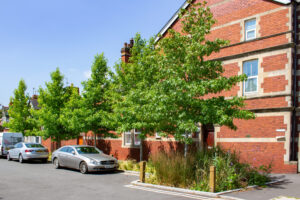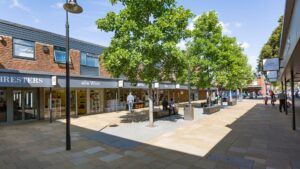
Creating green spaces within urban environments is not just a matter of aesthetics; it’s necessary for the health and well-being of town and city dwellers and the planet.
To design award-winning green spaces, urban planners and developers need a comprehensive approach that incorporates innovative solutions like GreenBlue Urban’s products. In this blog, we’ll provide you with a checklist to guide you in creating vibrant, sustainable and healthy green urban areas.
1. Define Your Vision and Goals
Before diving into the design process, establish clear objectives for your green space project. What purpose will it serve? Is it primarily a recreational area, a wildlife habitat, or a space to improve air quality? Understanding your goals will shape your design choices.
2. Site Analysis
Conduct a thorough site analysis to assess the existing conditions and constraints. Consider factors such as topography, soil quality, drainage patterns, and existing vegetation. This information will inform your design and help you address potential challenges.
3. Sustainable Design Principles
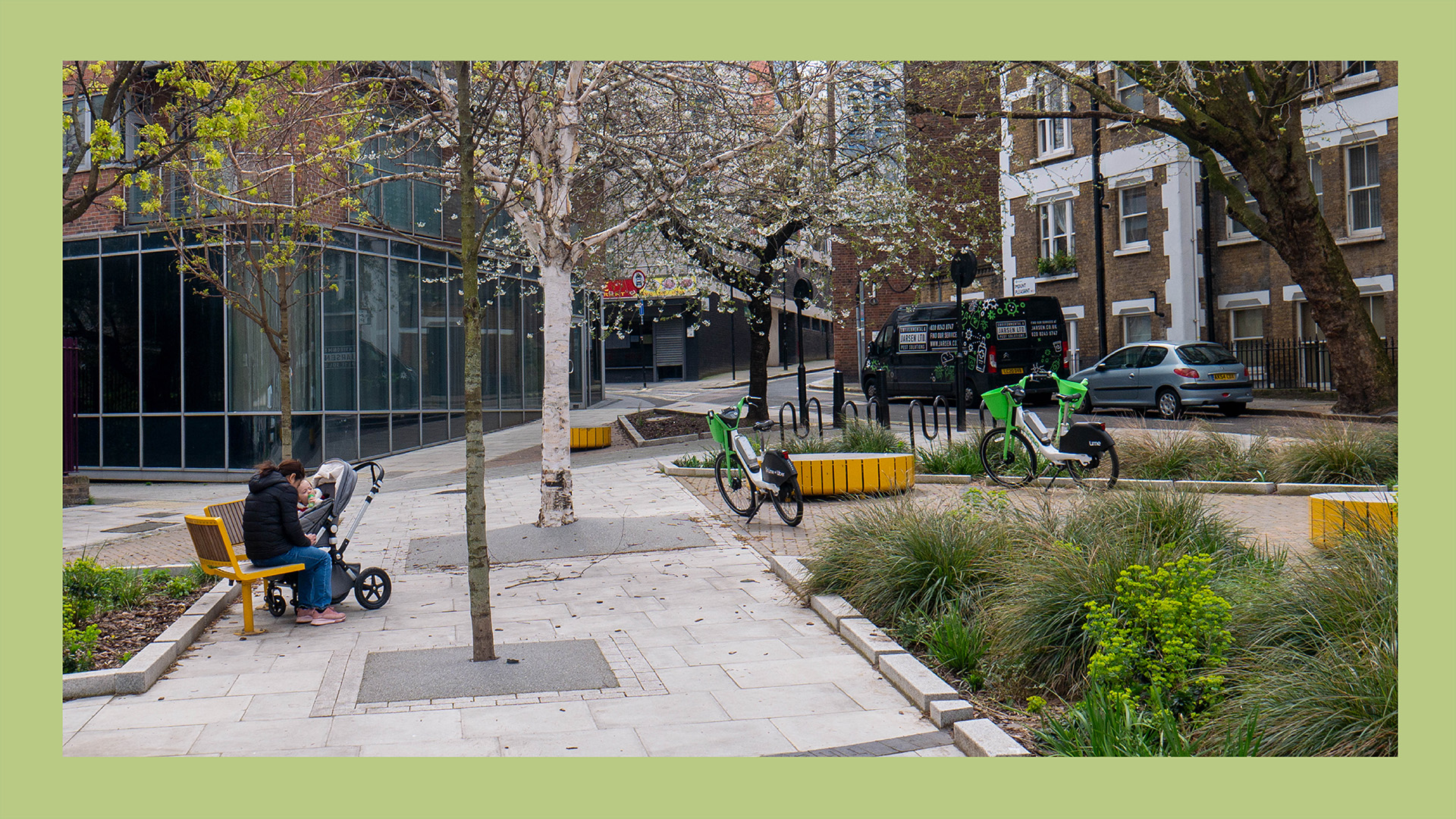
Incorporate sustainable design principles from the outset. Aim to reduce heat islands, improve energy efficiency, and minimise water runoff. Green roofs, permeable pavements, and tree canopies play a significant role in achieving these goals.
4. Native Plants and Biodiversity
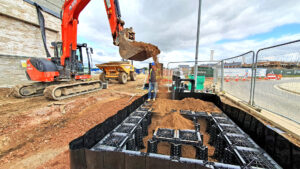
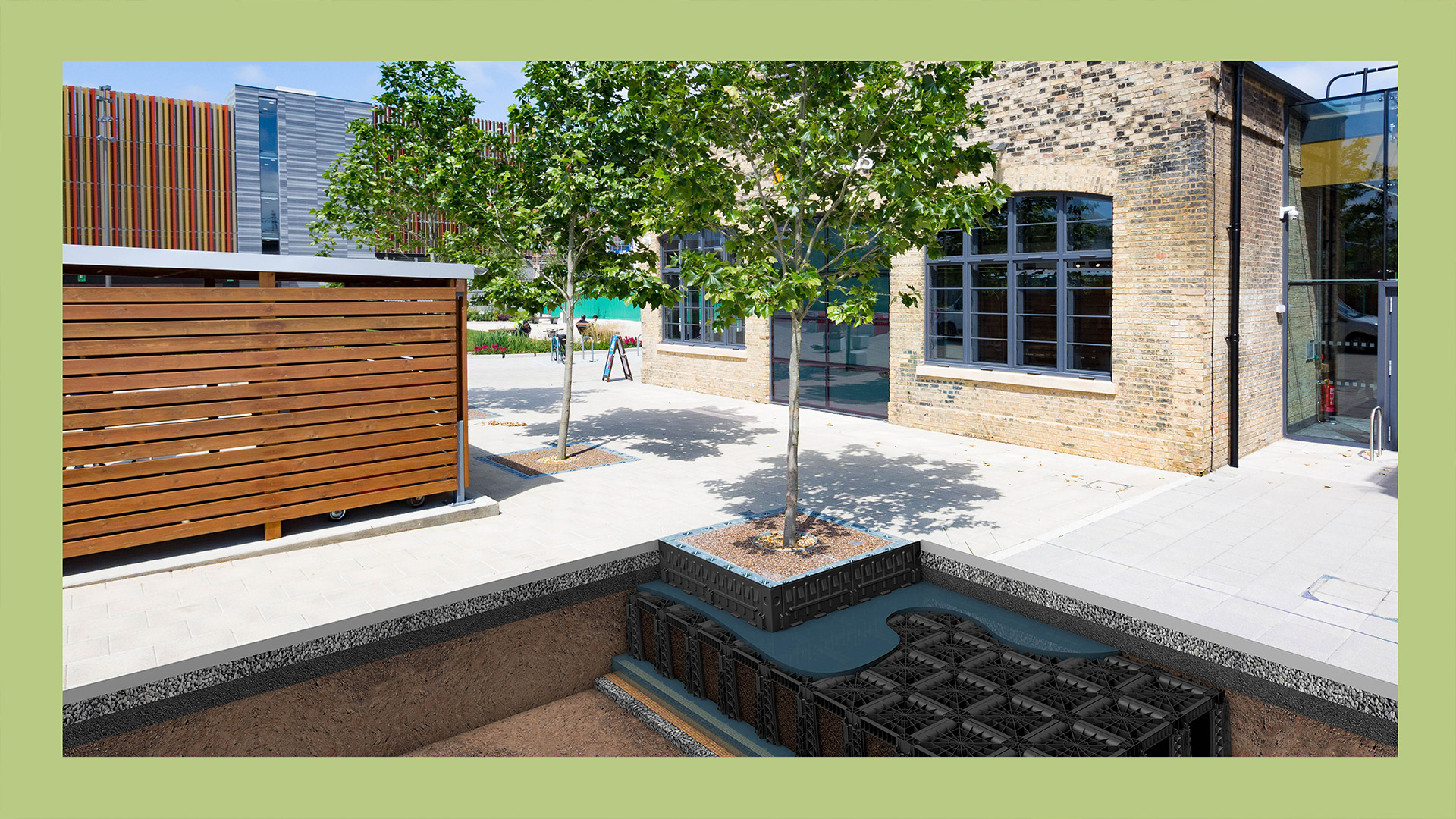
Choose native plants that thrive in your region’s climate and require less maintenance. Promote biodiversity by creating habitats for local wildlife. GreenBlue Urban’s ArborSystem can help you incorporate trees seamlessly into your design, providing shade, habitat, and improved air quality.
5. Water Management
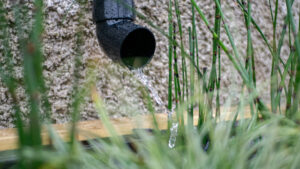
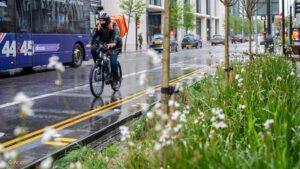
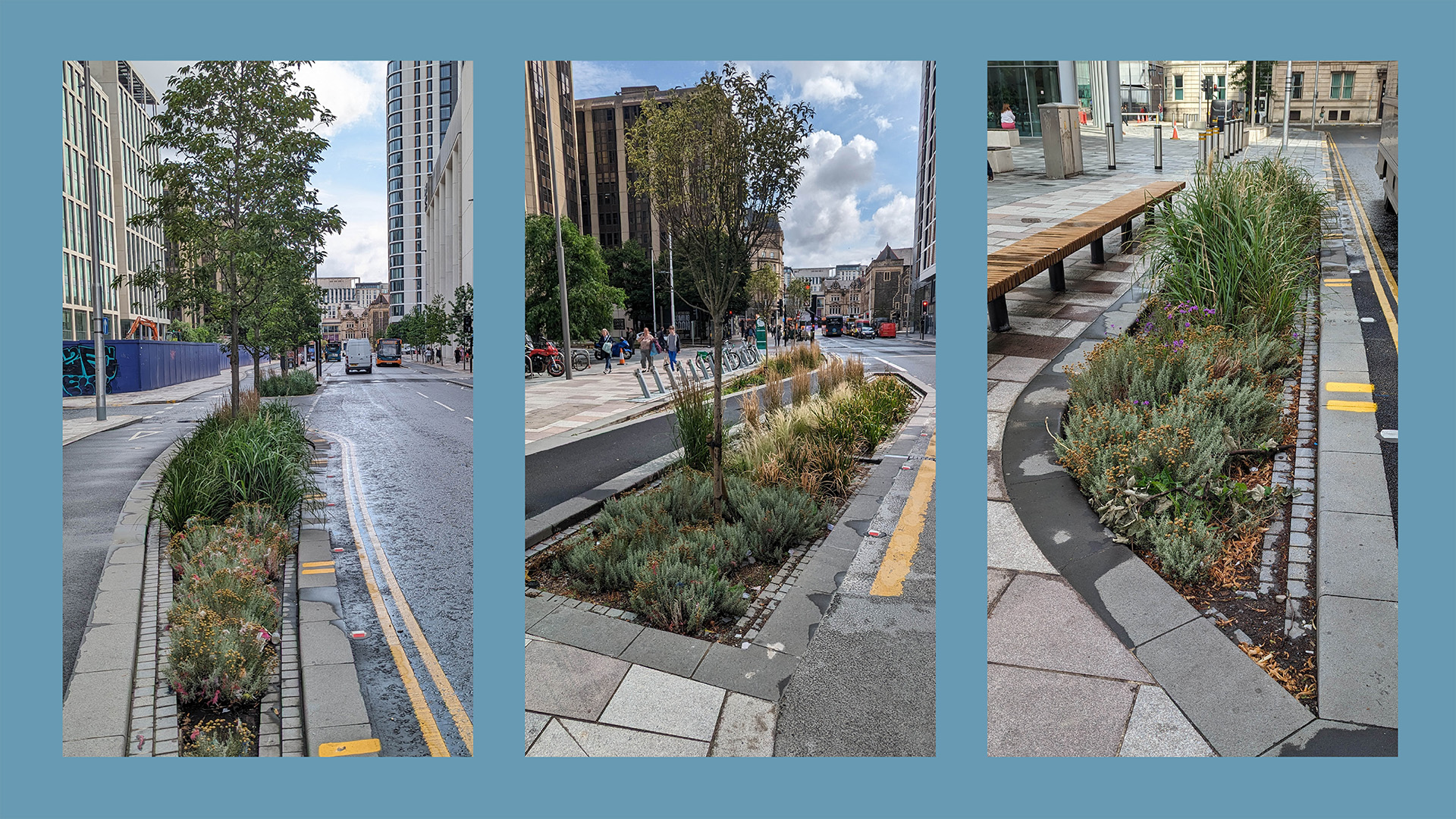
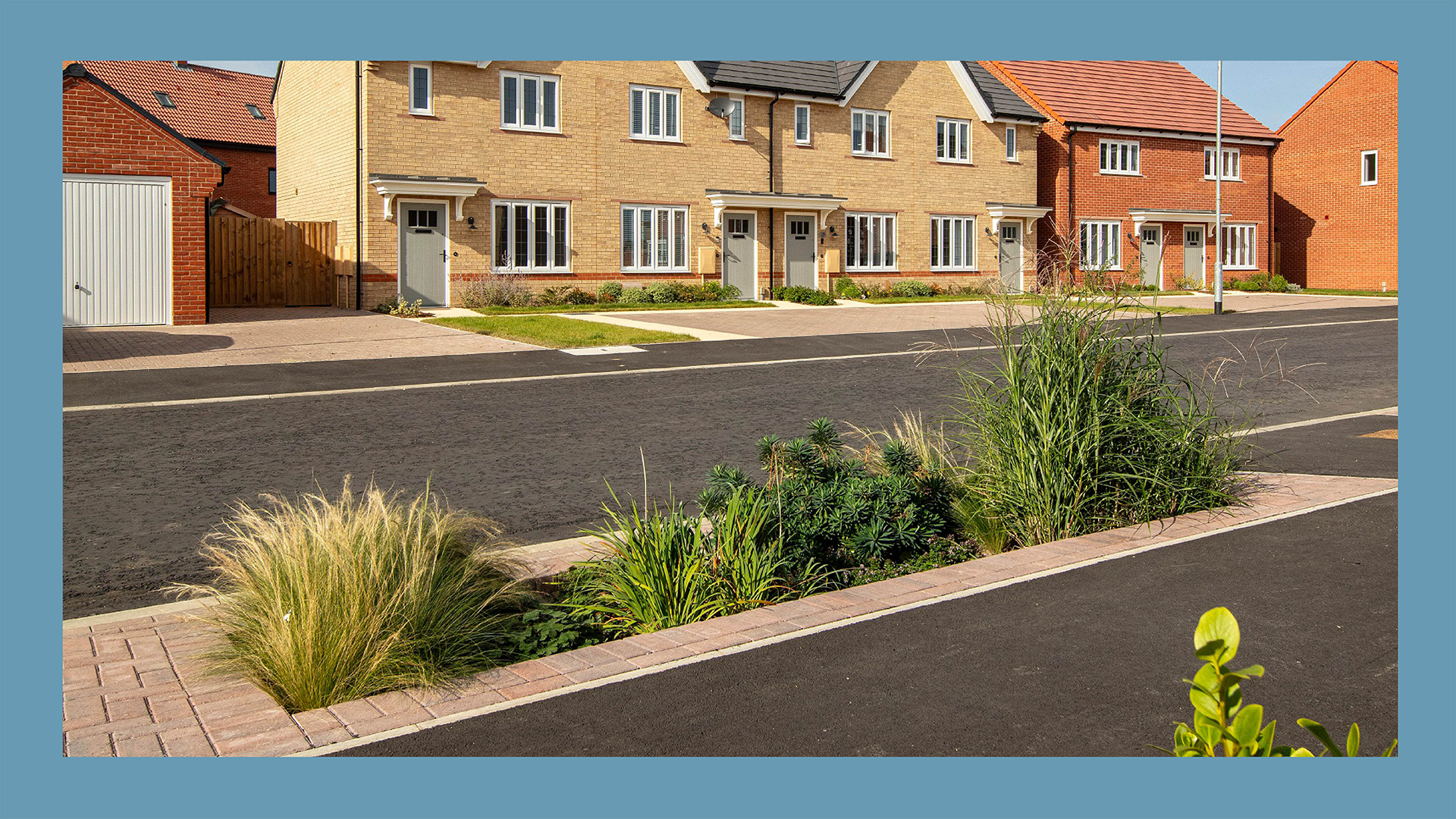
Implement effective water management strategies, including rain gardens, swales, and stormwater harvesting systems. These solutions not only mitigate flooding but also improve water quality and provide an aesthetically pleasing aspect to the green space.
6. Urban Tree Planting
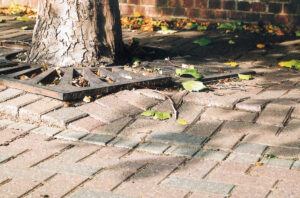
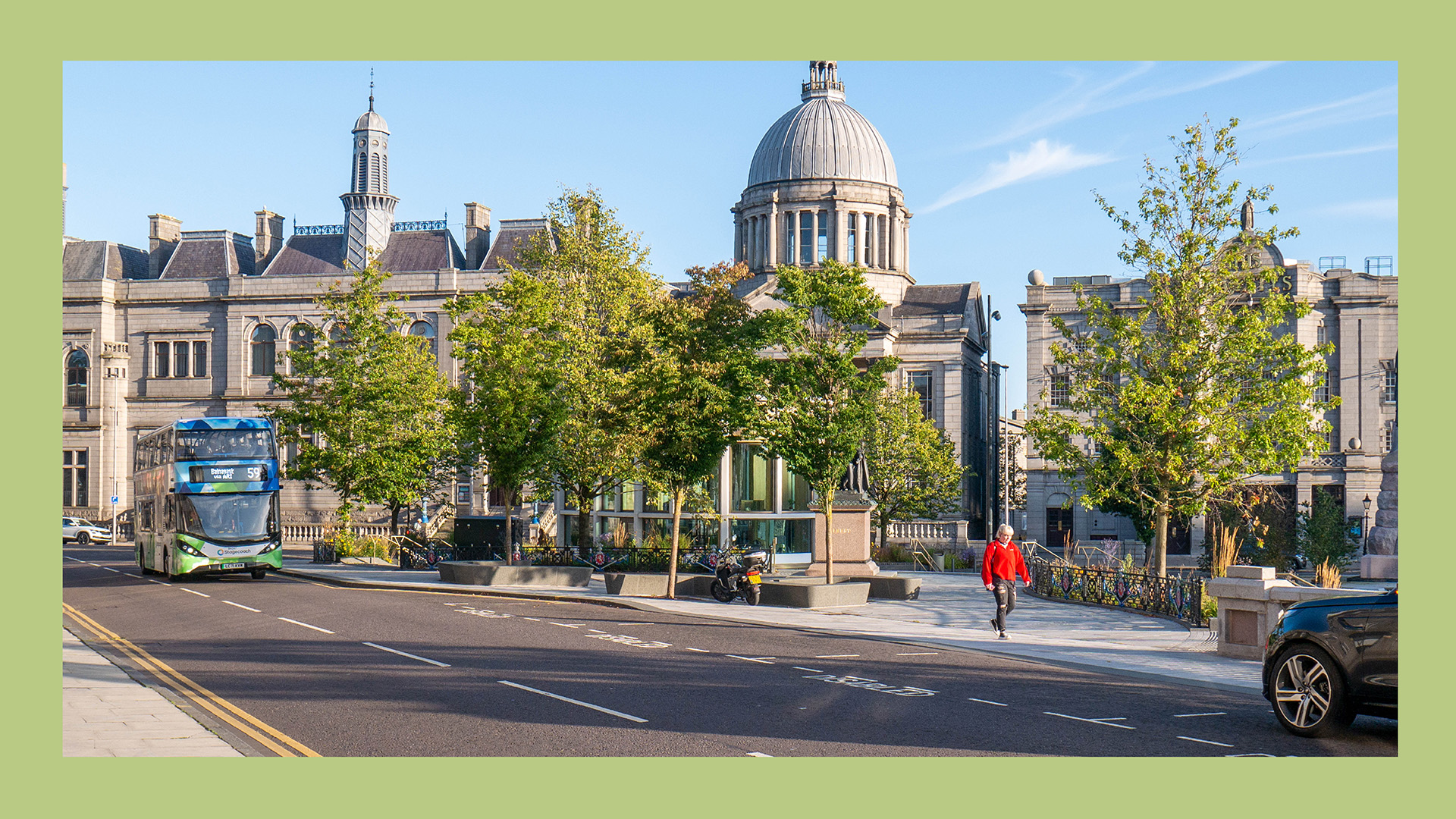
Trees are a fundamental component of green spaces. They provide shade, reduce air pollution, and enhance the overall environment. GreenBlue Urban’s ArborSystem offers innovative tree planting solutions that ensure healthy tree growth and longevity, even in challenging urban environments.
7. Accessibility and Inclusivity
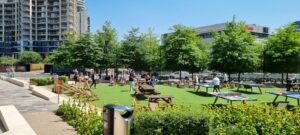
Make your green space accessible to everyone. Incorporate ramps, walkways, and seating areas that accommodate people of all abilities. Consider the needs of different age groups and cultural backgrounds to create an inclusive environment.
8. Community Engagement
Involve the local community in the design and planning process. Seek their input, gather feedback, and create a sense of ownership among residents. Community engagement fosters a sense of pride and responsibility for the green space.
9. Maintenance Plan
Develop a maintenance plan that ensures your green space’s long-term health and vitality. Regular upkeep, including pruning, weeding, and tree care, is essential to preserve its beauty and functionality.
10. Monitoring and Evaluation
Set up a system to monitor and evaluate the performance of your green space over time. Gather data on air quality, temperature, water runoff, and visitor satisfaction. Use this information to make necessary adjustments and improvements.
11. Education and Outreach
Educate the public about the benefits of green spaces and the importance of preserving them. Organise workshops, events, and educational programs to raise awareness and promote responsible use.
12. Sustainability Certifications
Consider pursuing sustainability certifications such as BREEAM that encapsulate multiple technical standards, each of which can help projects reach their green building goals in the following areas: Environmental Social Governance (ESG), net-zero carbon emissions, health and social impact, circularity and resilience, and whole life performance.
Creating award-winning green spaces is an art that combines the vision of urban planners and the expertise of developers. By following this comprehensive checklist and incorporating innovative solutions like GreenBlue Urban’s ArborSystem, you can transform urban areas into vibrant, sustainable, and eco-friendly spaces that benefit residents and the environment. Together, we can build healthy green urban spaces for generations to come.