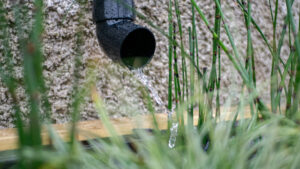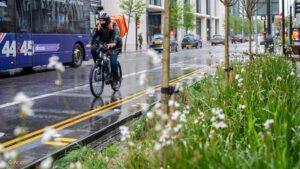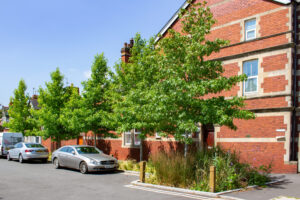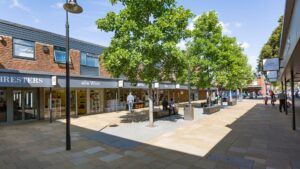
The final destination of the contaminants from our runoff from rain events is getting more and more attention as the public becomes more aware of the value of clean watercourses. Road runoff, in particular, is causing concern, as the potentially toxic “soup” can pollute rivers and streams, damaging wildlife and aquatic biodiversity.
All runoff contains some pollutants – even roof rainwater has a certain level of contamination, and these are usually calculated by using the CIRIA The SuDS Manual Simple Index Approach (Table 26.2 – Pollution hazard indices for different land use classifications), which ranks sites by the likely pollutant loadings – and thus what mitigation level is required.
However, not all pollutant mitigation approaches are equal in terms of efficiency, longevity, or maintenance requirements. Some pollutant traps, such as gully pots, retain silts and gross pollutants for a while. Still, they become saturated if not maintained, and the pollutant loadings pass into the sewage system and watercourses. Other systems use sand filter traps, but these, too, suffer from pollutant saturation, and the medium requires replacement at regular intervals. This is not a minor issue – likely, over a million road drains discharge directly into watercourses across England alone – although exact numbers are difficult to ascertain.
The Holy Grail of pollutant filters is something that can take in polluted runoff water and filter it while breaking down and absorbing the contaminants, regenerating itself constantly and providing the Four Pillars of SuDS benefits. Does this exist?
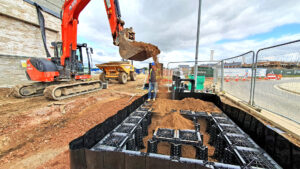
For light to medium pollutant loading areas, the range of GreenBlue Urban SuDS solutions does just this: by using nature-based solutions and using the naturally occurring micro-biology and fungal activity that occurs in healthy soil with plants and trees growing in it, these solutions actively work to break down, absorb and retain pollutants coming off hard surfaces. High-loading areas are unsuitable for this simple index approach and require pre-treatment systems to reduce the pollutant loads before these can be treated conventionally.
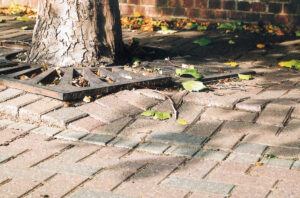
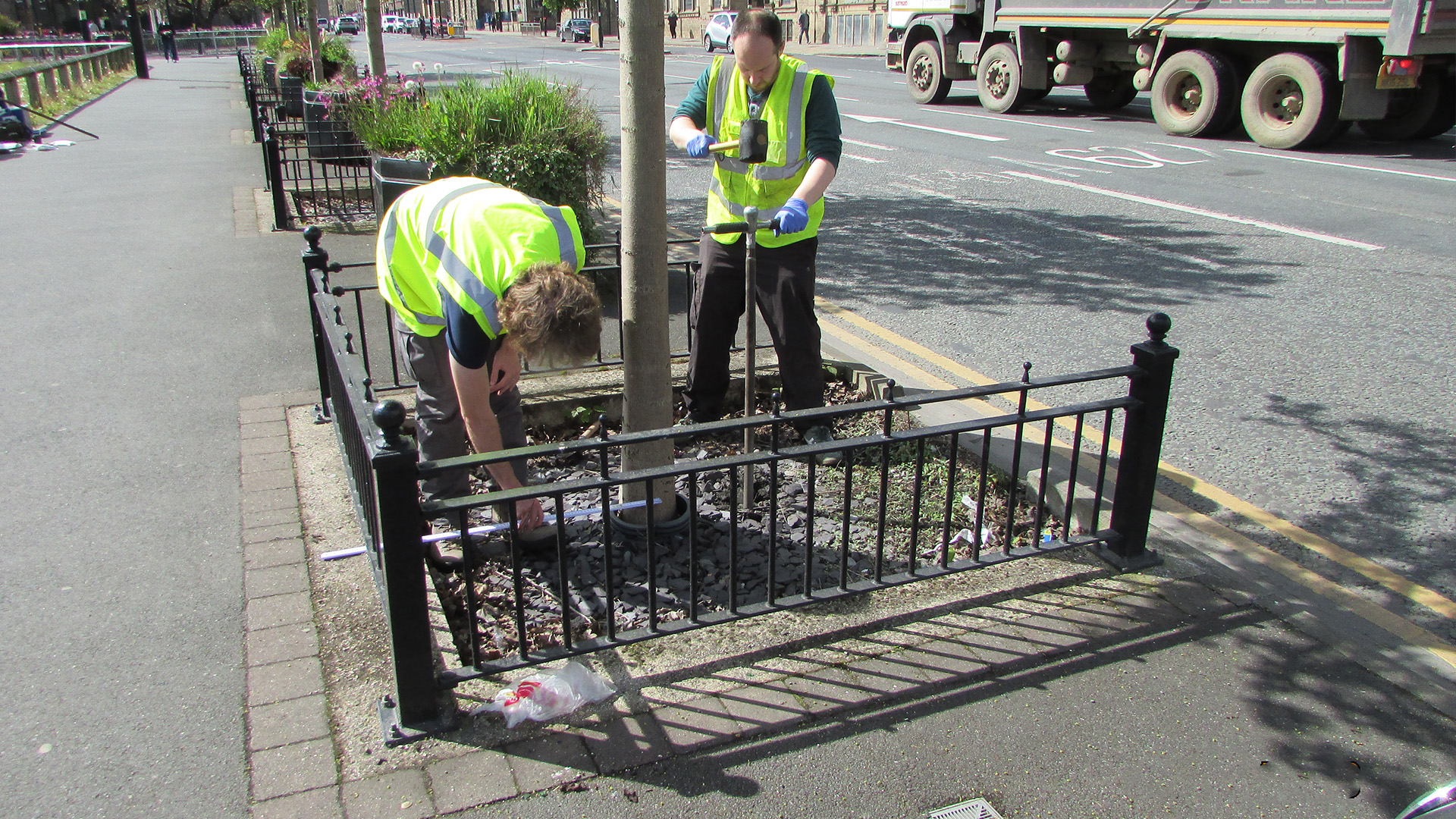
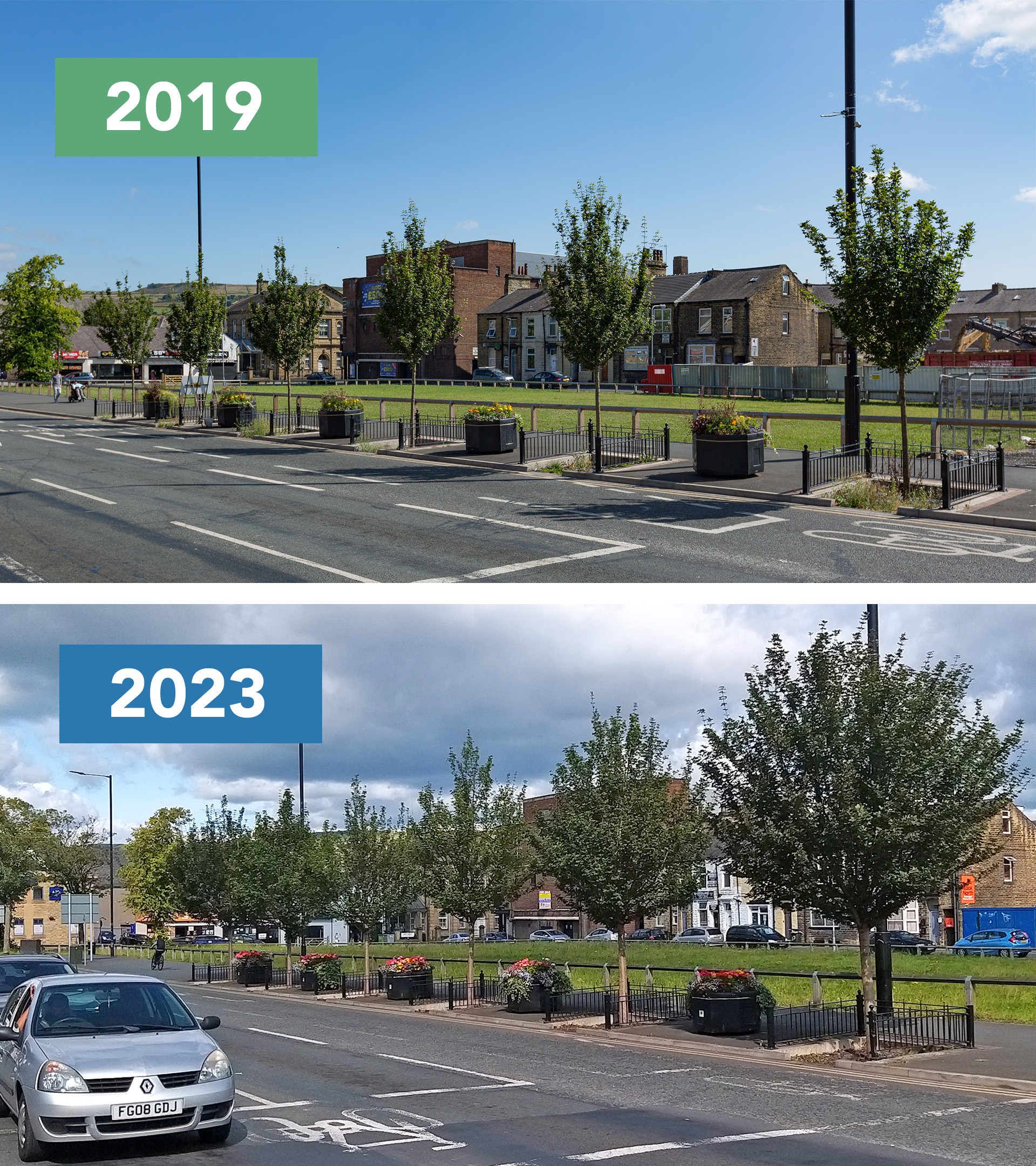
The Manchester Metropolitan University tested the effectiveness of a recent GreenBlue Urban research project at North Street in Keighley, where tree pits have been taking the runoff from a road with 20,000 vehicle movements daily.
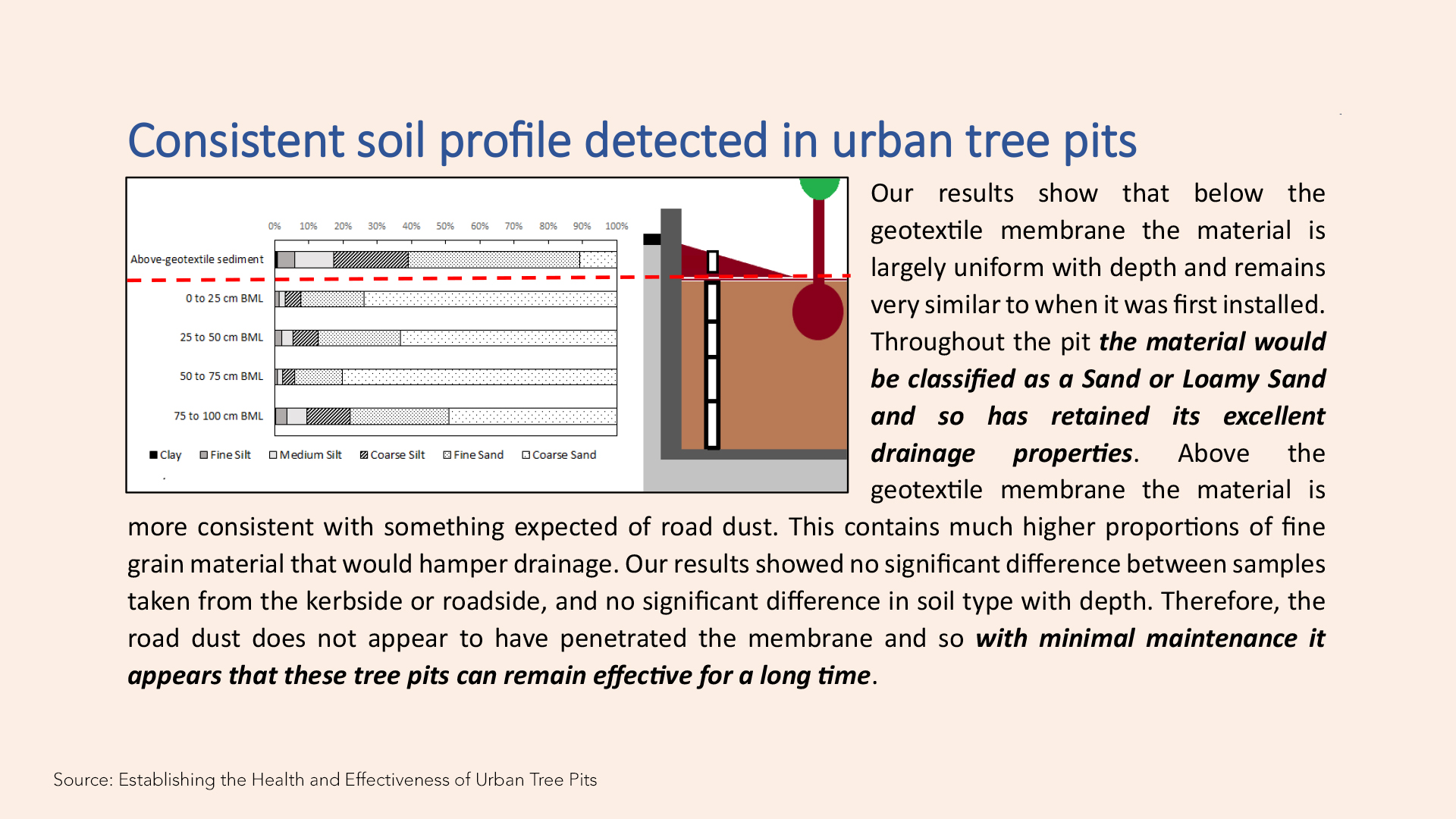
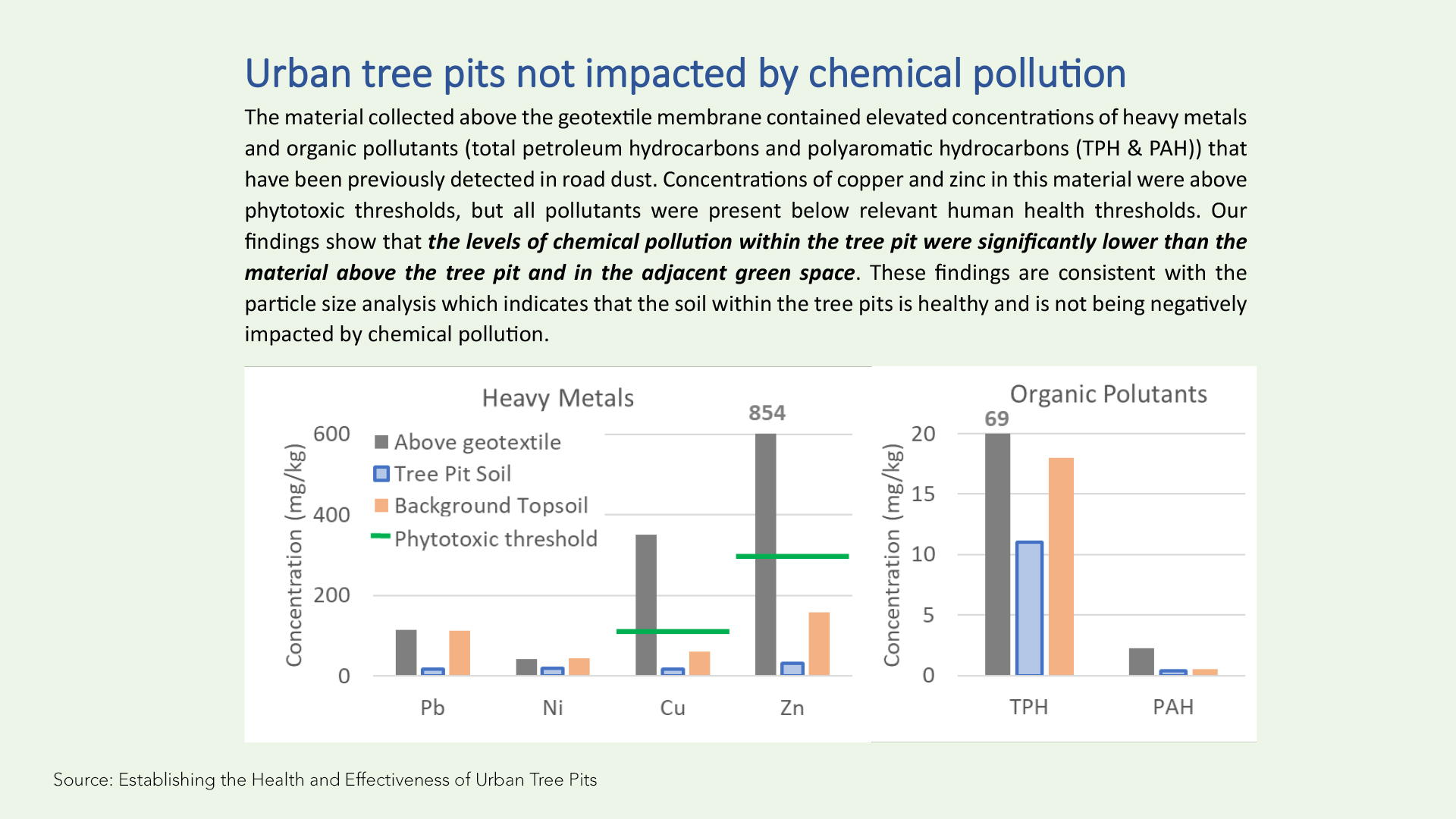
The deep soil profile testing showed that the soil was healthy throughout the tree pit’s entire depth, and the pollutants were largely held above the geotextile beneath the silt mulch around the trees.
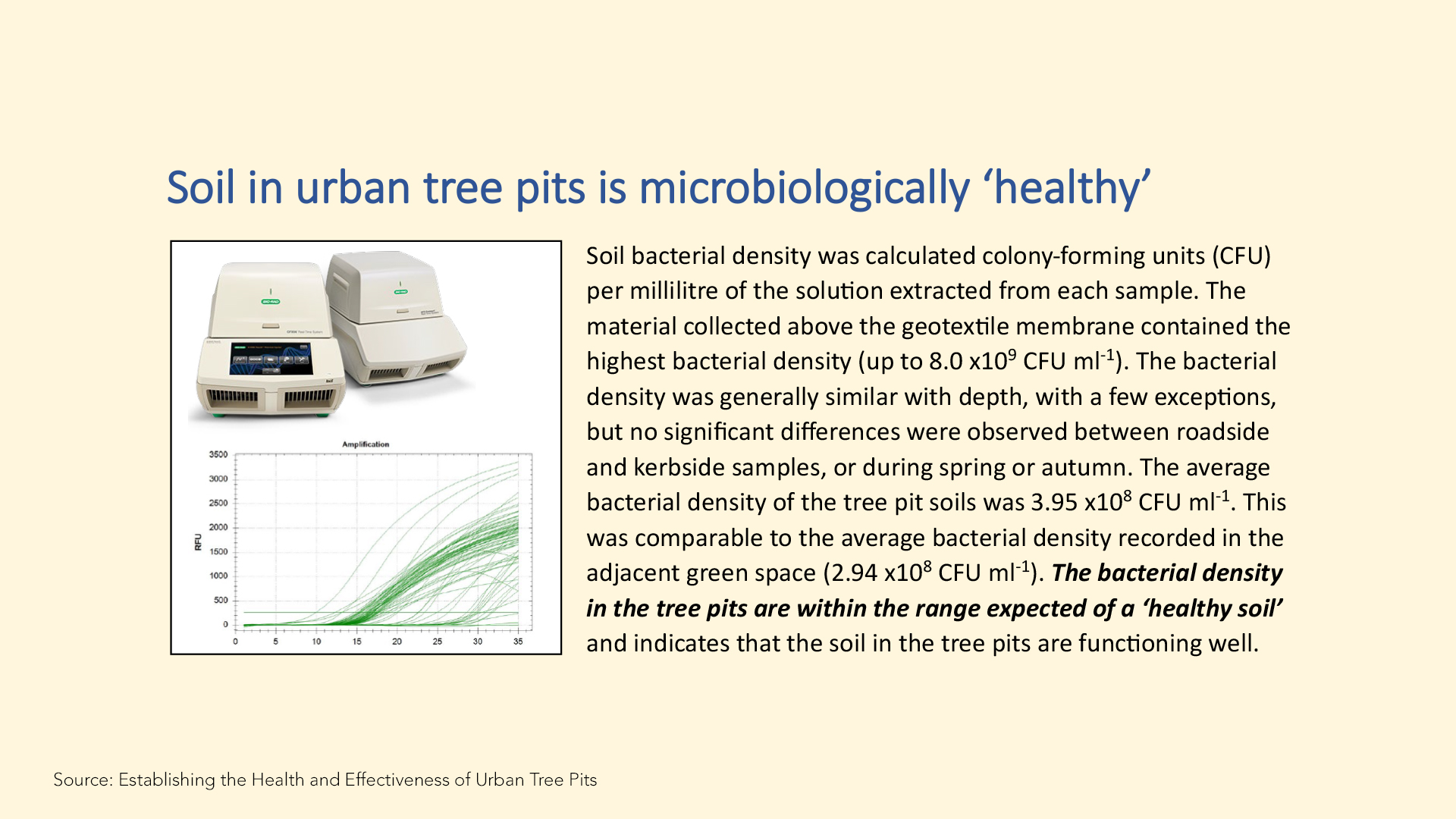
The tests also showed that the soil bacteria count was highest where the pollutants were collected, indicating that the soil biome compensates for the higher concentrations of contaminants – which was anticipated to happen.
The target is that no pollution should reach natural water sources—either water courses or groundwater supplies. It is important to ensure that the SuDS Manual recommendations are adhered to—a minimum of 1.0m between the infiltration source and the highest water table height—and that the systems are designed as such.
Many pollutants are carried in or on silt particles and need periodic removal. The GreenBlue Urban solutions allow for a simple maintenance protocol, such as removing silt from forebays or a silt barrier, such as a permeable geotextile, to make maintenance simple. The original design brief is that if maintenance is not carried out, the solution must still work hydraulically, although it may look untidy, encouraging maintenance to take place.
In a recent podcast, Jo Bradley from Stormwater Shepherds discussed the often-overlooked issue of pollution from road runoff, contrasting it with the more commonly recognised problem of stormwater sewage. She emphasised that while flood risk is a perennial concern, there is a growing awareness of Sustainable Drainage Systems (SuDS). However, she rightly pointed out that the pollution risks of sediment buildup, as highlighted in the SuDS manual, table 26.3, should be considered when designing SUDS.
Jo noted that alternatives such as GreenBlue Urban tree pits effectively manage pollution, as detailed in the (MMU) report conducted in Keighley, showed significantly lower pollution within the pits than the material above the tree pit and adjacent green space!
GreenBlue Urban thanks MMU for its collaborative research. The full report will be published soon. GreenBlue Urban is challenging conventional thinking and innovating nature-based solutions that combine to make our rivers and seas cleaner and safer places for now and for future generations.