Who looks after a rain garden or SuDS tree pit once construction is complete? New guidance published by Defra in October 2026 recommends agreeing a maintaining body and long-term funding early in the planning process. For communal SuDS on new developments in England, that means establishing who will carry out the work, what it will involve and how it will be paid for.
From clearing inlets to caring for planting, maintenance helps SuDS continue to manage surface water and provide attractive, greener spaces. The guidance encourages project teams to plan for this care from the outset, so the benefits designed into a scheme can be sustained throughout its life.
Agreeing Responsibilities Early
The future maintaining body should be involved while the drainage design and site layout are still being developed. This gives those responsible for ongoing care an opportunity to review access, maintenance activities and likely costs before decisions are finalised.
Project teams need to establish who will maintain each feature, what the work will involve and how responsibility will transfer at handover. Where drainage features sit within landscaped areas or alongside highways, coordination between the relevant teams can help avoid gaps in responsibility or duplicated costs.
For developers, early agreement also allows likely maintenance contributions to inform project appraisal and viability discussions.
Designing for Practical Maintenance
Decisions made during planning and design directly influence how straightforward a drainage feature will be to maintain. Its location, planting, inlet arrangements and access all affect the activities needed and their associated costs.
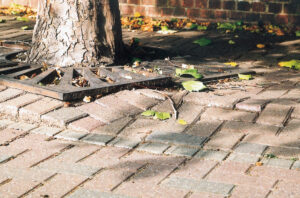
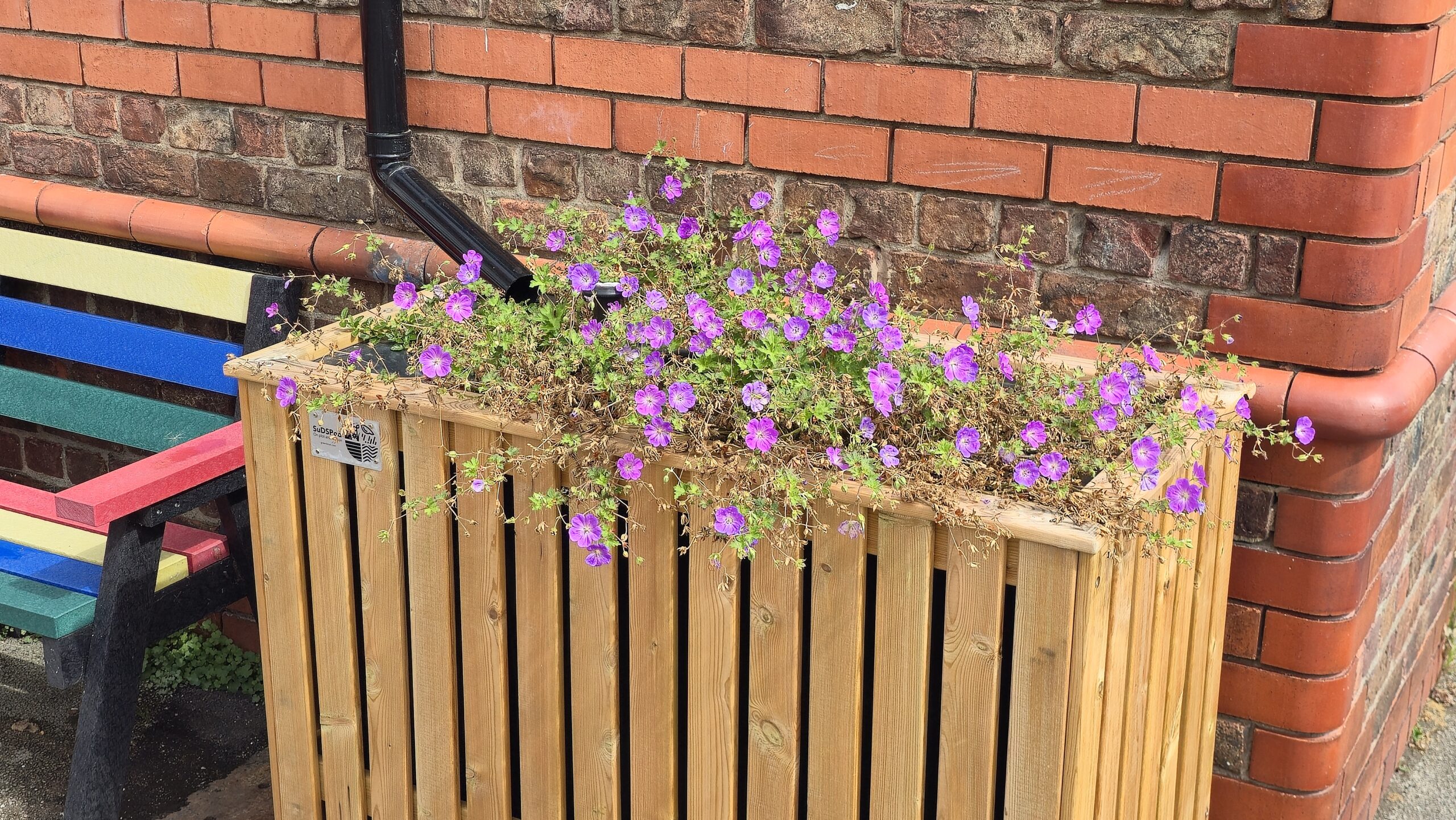
For a rain garden, this might mean ensuring that inlets can be inspected and cleared, sediment can be removed and planting can be managed safely. For a SuDS tree pit, it includes considering establishment care alongside the inspection and maintenance of drainage components.
A costed maintenance and management plan brings these requirements together. It should explain what work is needed, when it is likely to take place and how it will be carried out, covering both routine tasks and foreseeable repairs or renewal.
Understanding How Maintenance Will Be Funded
The guidance recommends commuted sums as the preferred starting point for funding communal SuDS maintenance. A commuted sum is a payment from a developer or landowner to a maintaining body to cover agreed future maintenance and management costs.
The amount is based on anticipated whole-life costs, with funding intended to be invested and ring-fenced for the assets it covers. Payments may be made as a single sum or in agreed phases.
This is guidance rather than a new statutory funding requirement. The appropriate arrangements will depend on the development, the maintaining body and relevant local processes. Its scope covers communal SuDS serving more than one property on new developments in England, excluding features designed solely to drain highways or proposed for adoption as sewers.
Accounting for the Full Life of the Scheme
A realistic maintenance budget needs to account for regular activities and work that may only be required periodically. Inspections, inlet clearance and vegetation management sit alongside replacement planting, rehabilitation and the renewal of components.
For nature-based SuDS, soils and planting are working parts of the drainage system. Establishment care and ongoing landscape management therefore need to be considered alongside engineered elements, helping to protect water management, amenity and biodiversity benefits.
Understanding these requirements at the design stage helps teams assess future commitments and make informed choices about how the scheme will be managed.
Providing a Clear Handover
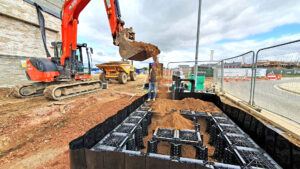
Construction and handover also influence future maintenance needs. Protecting SuDS during the works, managing sediment and resolving defects help ensure that the maintaining body receives assets in the agreed condition.
Maintenance plans, inspection results, testing evidence and operating information give those taking responsibility a practical basis for managing the scheme. Once it is operational, monitoring actual costs and performance can help refine maintenance activities and inform future projects.
Clear responsibilities, realistic funding and a considered handover provide the foundations for SuDS that continue to deliver their intended benefits over time.

GreenBlue Urban’s Funding SuDS for the Long Term guide explains the key considerations in Defra’s guidance, from commuted sums and whole-life costs to responsibilities at each stage of a project.
For developers, designers, contractors and maintaining bodies, it provides a practical overview to support early discussions and informed planning.