GreenBlue Urban recently had the immense pleasure of presenting to post graduate Planning and Architecture students at the University of Newcastle, UK on the health benefits of integrating trees into urban designs of all scales and for a variety of uses.
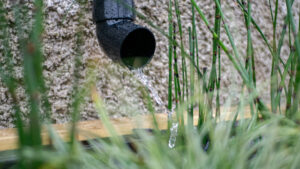
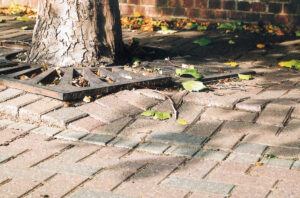
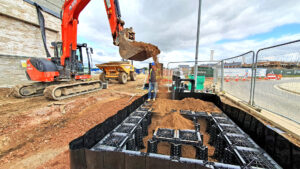
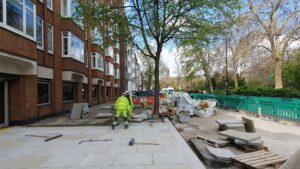
Charlotte Markey, GreenBlue Urban’s Head of Strategic Partnerships & Public Relations, led this highly interactive session which really brought to light the multitude of ways in which nature-based solutions can be a source of creativity as well as increasing the liveability of developments. Students were exposed to the possibilities of using engineered, SUDS / LID compatible tree pit solutions to create streetscapes and waterside developments for their projects that would deliver improvements to the mental and physical health of the future inhabitants of their proposed schemes. We discussed the benefits of using these systems in heavily trafficked areas to mitigate against the effects of air pollution and combat the urban heat island effect. The students were particularly keen to explore the way in which urban trees could be integrated into the wider SUDS / LID train to manage stormwater more sustainably, by improving water quality and reducing flood risk in new developments.
It was encouraging that many of the students had a number of ideas as to how green and blue infrastructure could be used to make spaces more permeable and increase the connectivity of spaces, enabling users to move from one area to another through green corridors or green wedges.
By introducing the world of opportunity and the flexibility of the new tree pit systems available, our future urban planners, the lifeblood of our profession, will be able to more effectively design and implement schemes that will encourage healthier, more holistic patterns of use. They will be better equipped to assess the viability of schemes based on the integration of green and blue solutions rather than the more traditional approaches that we still see on schemes being proposed currently.