Before COVID 19 and the need for working at home became essential, a ’15 minute City’ concept seemed near to impossible. Now, these barriers have been removed, the world has slowed down and multiple lockdowns have been relaxed, our hectic lives now feel less busy. Our days used to consist of long commutes and constantly clock watching to reach both deadlines and meetings. More hours are now positively spent working from home, being present for our loved ones.
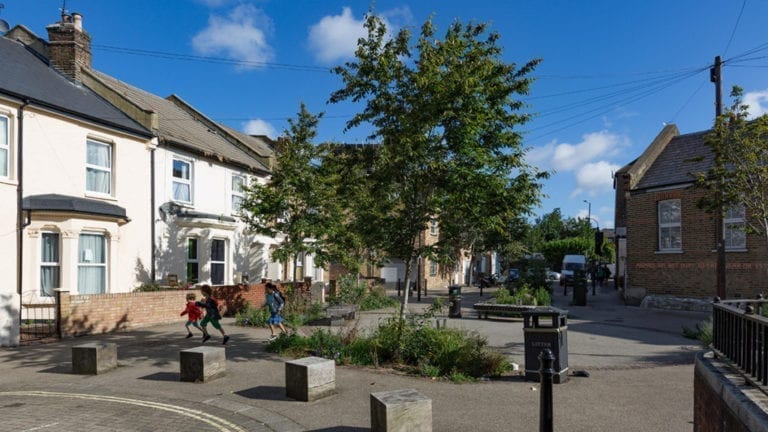
Was this earths way of telling us we needed to stop and reset, reclaim our balance, and let nature flourish and breathe?
With this reset button firmly pressed our industry ran with the movement ‘The 15 minute City’ allowing our lives to be more convenient, stress free and sustainable. The project consists of establishing everything we could need within a short 15-minute walk from our home. Offering amenities, hospitality, and necessities right by our front door that in return create safe and inclusive communities. The 15 minute City is ideally walkable and will need safe and secure pathways for the public. Our Green, Blue and Grey infrastructure is extremely important in allowing the census to be pleasant, enhancing biodiversity, and allowing a healthy mental state of mind and well-being. Research shows that many of us have a newfound love for our local parks and green spaces since the start of the pandemic.

Many reports are showing a decline in our health and wellbeing when commuting for over an hour. Why not plan and adapt for happiness within our communities as well as beauty and efficiency? The destinations we spend on holiday, are the places with scenic landscapes and walkable locations, why not make that everywhere?
To enable the 15 minute City concept to work successfully, local government planning requirements will need to be reviewed to make it easier for workplaces to be located in residential areas. However, it will require support from local cafes and restaurants to enable employees to hold work meetings there rather than booking a meeting room in an office tower block.
This concept has never been more important since MP Mr Chris Clarkson brought a private member’s bill to the House of Commons on the 15th July that wishes to enforce the planting of tree-lined streets on all new developments. This also is reflected in the White paper “planning for future” that states ‘all new homes to be carbon-neutral by 2050. We are all very excited to see the next version of the Manual for Streets as will have a greater impact on our industry.
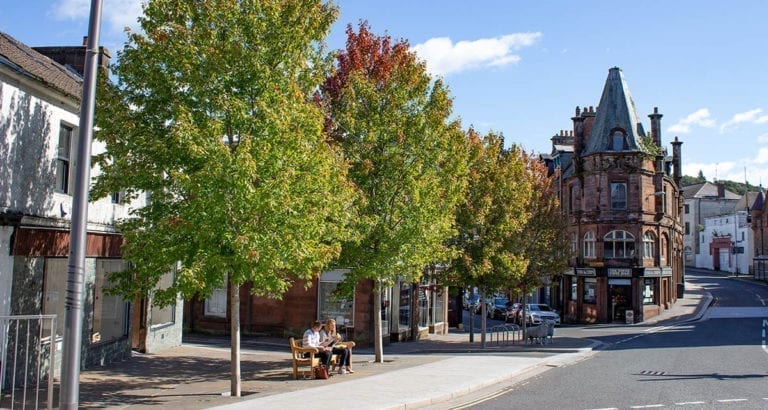
So much depends on how we shape our cities; environmental impacts, social wellbeing, economic vitality, sense of community and connectedness. Fundamentally, the way we shape our cities is a manifestation of who we are as a nation. Our behaviour is key, our climate depends on us and how we live.
GreenBlue supports this concept and encourages all of the industry to think differently and design for the people and our work/home life balance. Green Infrastructure for all is a must, albeit we encourage quality over quantity, the cost-effective solution is to plant “right tree, right place, the right way” Guaranteeing urban trees in the hardscape for a minimum of 15 years will assist in healthy happy communities.
It’s the little things in life that make us who we are and appreciate the places we live.