In urban development, sustainability is the keystone to building a greener and more environmentally conscious future.
GreenBlue Urban, a pioneer in urban sustainability, Life Cycle Assessment (LCA) for RootSpace. Following BRE certification* RootSpace will achieve an Environmental Product Declaration (EPD)
This groundbreaking assessment, conducted by Eight Associates, focuses on the product’s material source and manufacturing, utilising 100% recycled polypropylene, this blog details how RootSpace is contributing to a more sustainable urban landscape.
The LCA Process:
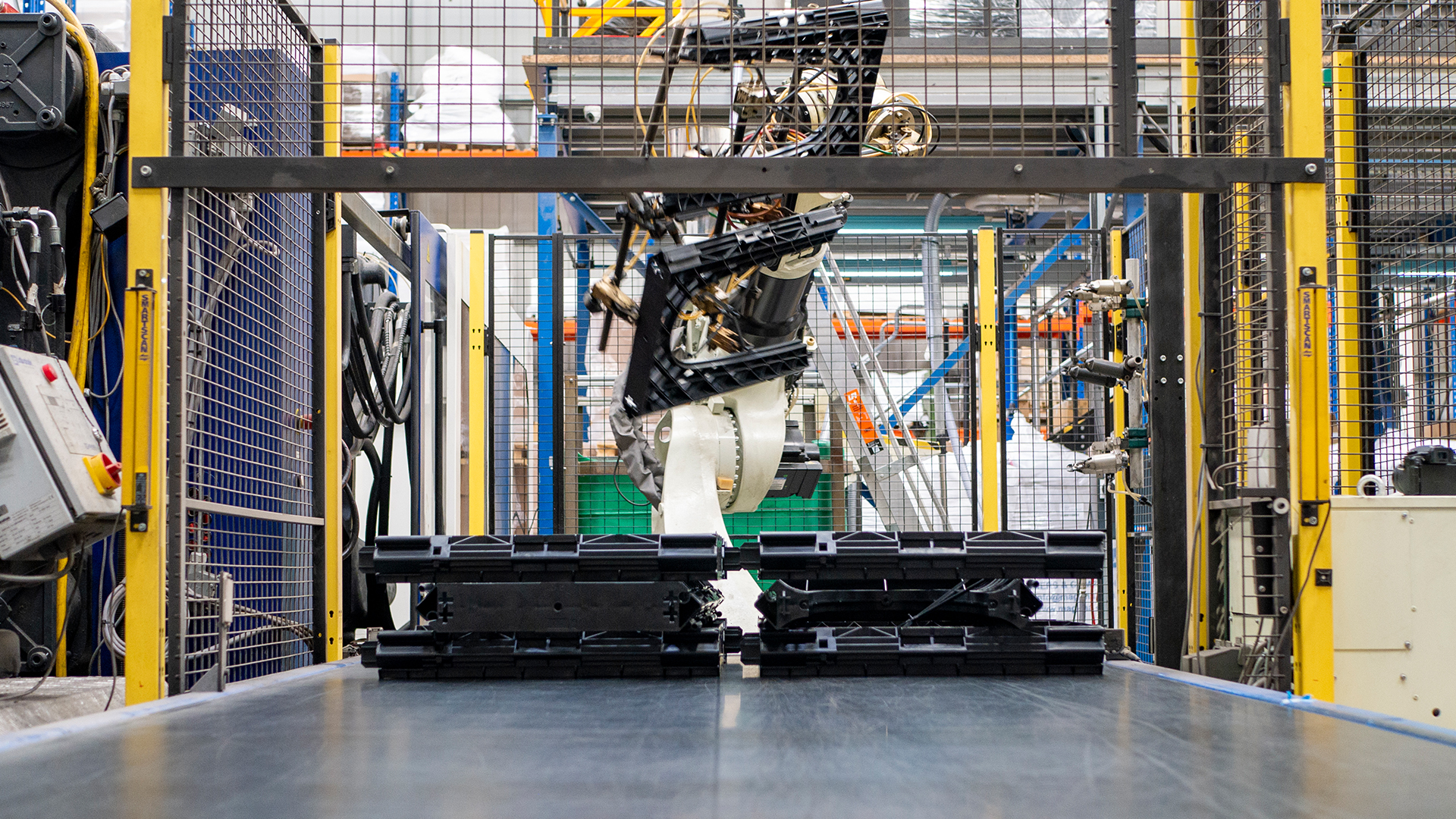
The LCA for RootSpace* is a comprehensive study that delves into the fundamental aspects of the manufacturing process. It encompasses the product composition, energy consumption, water consumption, and the use of ancillary materials such as lubricating oils and hydraulic oils. The approach is based on primary data, ensuring accuracy in assessing the environmental impact. Moreover, the study considers the types and quantities of materials used for packaging, as well as the transport distances between raw material suppliers and the production site.
*Product LCA aligns with obtaining EPD certification, within the BRE Product Category Rules “PN 514 Rev 3.0” for Type III EPD of construction products.
Construction Products.
Primary Data and Allocation:
One notable aspect of this assessment is the reliance on primary data, ensuring that the data used is specific and accurate to the RootSpace manufacturing process. Allocation, a crucial step in LCA, involves distributing the environmental burdens of a process between the life cycles served by that process. This approach provides a more nuanced understanding of the environmental impact, setting the stage for a holistic evaluation.
Carbon Emissions and Recycled Polypropylene:
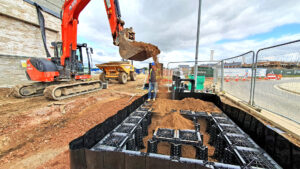
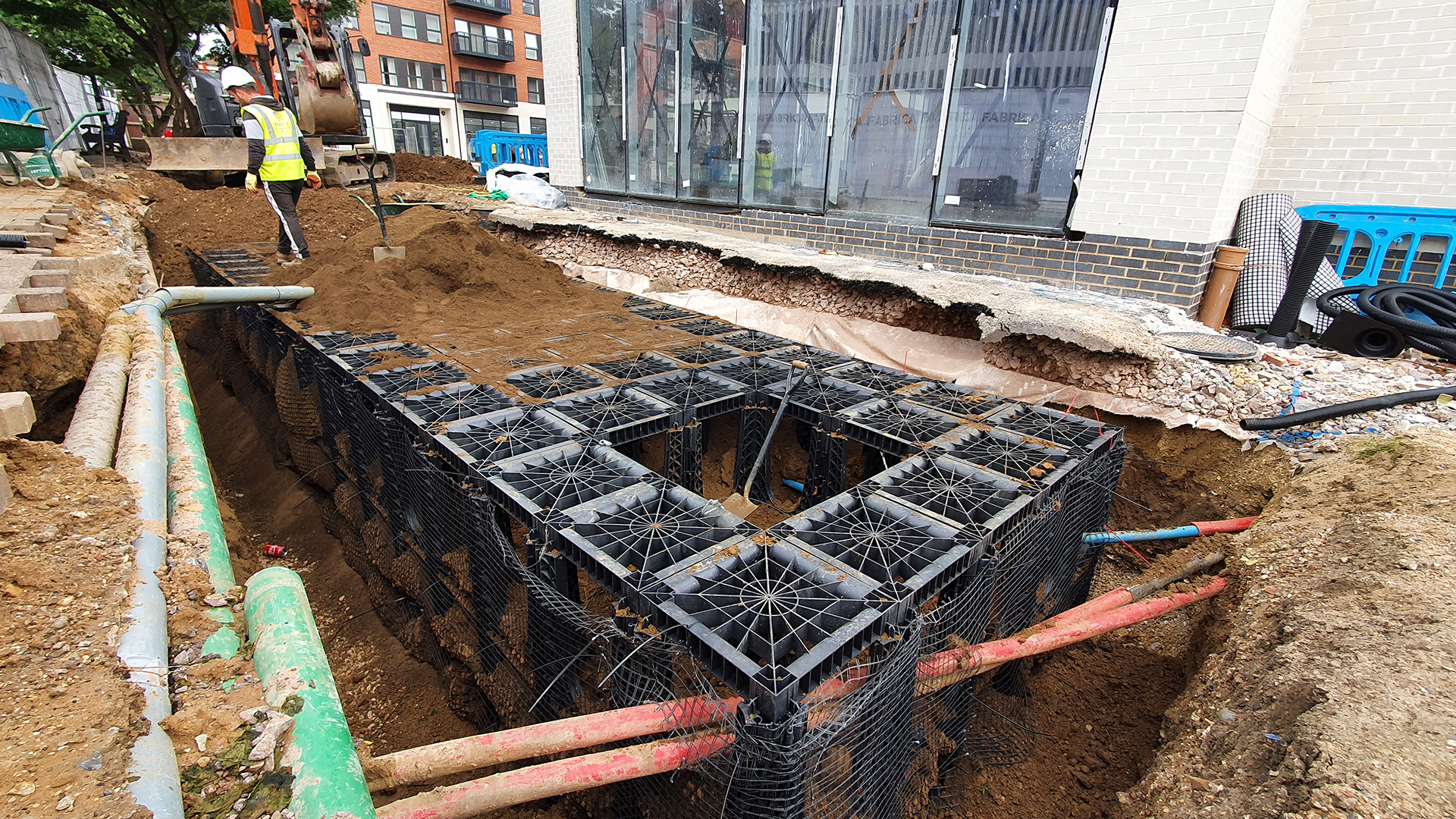
The report reveals compelling data on carbon emissions for the RS 400 and 600 single units. The Functional Unit (FU) used is 1m2 of products installed underground in tree pits over a study period of 50 years – aligning with the BBA accreditation (British Board of Agrément: Construction Product Certification).
Notably, the declared unit was compared to those made with 100% virgin polypropylene.
The use of 100% recycled polypropylene marks a significant leap in sustainability. The carbon emissions associated with the use of recycled polypropylene are impressively lower compared to its virgin counterpart. The specification of recycled polypropylene showcases a remarkable carbon saving of over 80%. This statistic underscores GreenBlue Urban’s commitment to environmental responsibility and positions RootSpace as an eco-friendly solution for urban landscapes.
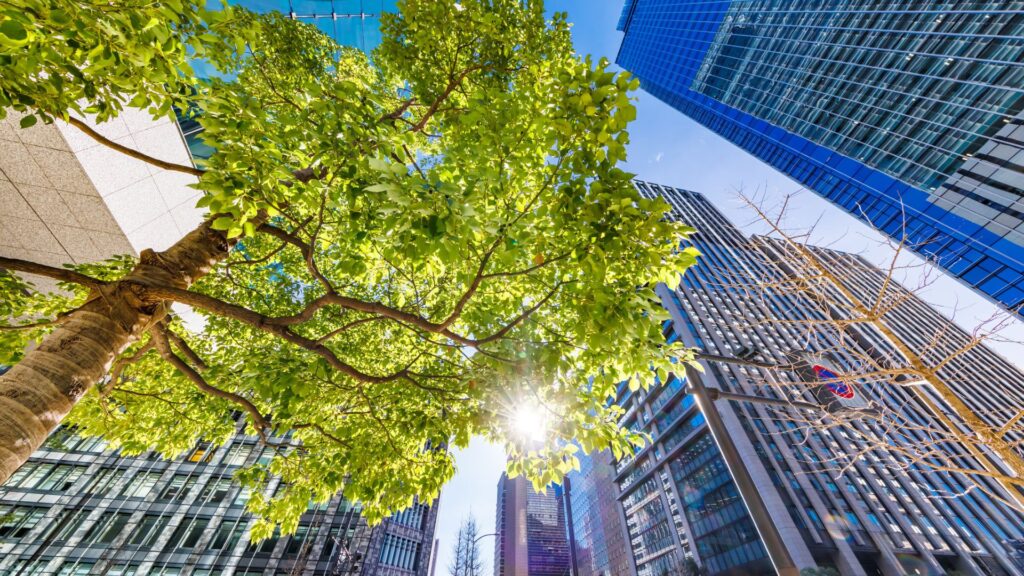
GreenBlue Urban’s RootSpace, backed by a thorough LCA, stands at the height of sustainability in urban development. Using 100% recycled polypropylene and the meticulous assessment of the product’s life cycle demonstrates a commitment to reducing carbon emissions and environmental impact. As our towns and cities strive for a more sustainable future, RootSpace sets the standard for responsible urban development, proving that innovation and sustainability can go hand in hand.