The Government has announced £79 million in new funding to support nature recovery and climate resilience across England, including £53 million dedicated to planting up to 500,000 trees outside woodlands over the next three years.
Announced by Defra on 30 September 2026, the investment aims to bring nature closer to communities, improve biodiversity and help towns and cities respond to increasing environmental pressures, including flooding and rising temperatures.
For local authorities, landscape architects and organisations involved in delivering green infrastructure, the announcement presents an opportunity to consider how new investment can support healthier, more resilient urban environments.
Where Will the £79 Million Go?
The funding is divided into two programmes, each supporting a different aspect of nature recovery.
£53 Million – Community Trees Fund
Between April 2027 and March 2030, the Government will invest £53 million to support the planting of up to 500,000 new trees in England.
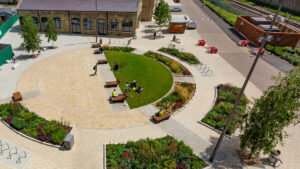
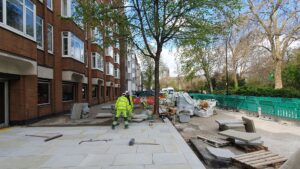
The fund will focus on tree planting outside traditional woodlands, including urban streets, parks, peri-urban areas and rural landscapes.
It will be available to strategic authorities, local authorities and other organisations, including environmental groups and National Park Authorities.
£26 Million – Local Nature Recovery Strategies
A further £26 million will support Local Nature Recovery Strategies (LNRS), which identify priorities for protecting and restoring nature across England.
Developed by 48 responsible authorities in collaboration with local communities and stakeholders, these strategies aim to coordinate environmental improvements according to local needs.
This could include restoring wetlands to reduce flood risk, increasing urban tree cover to manage heat and improving habitats to support biodiversity.
Together, the two programmes provide an opportunity to connect local tree planting initiatives with broader environmental objectives.
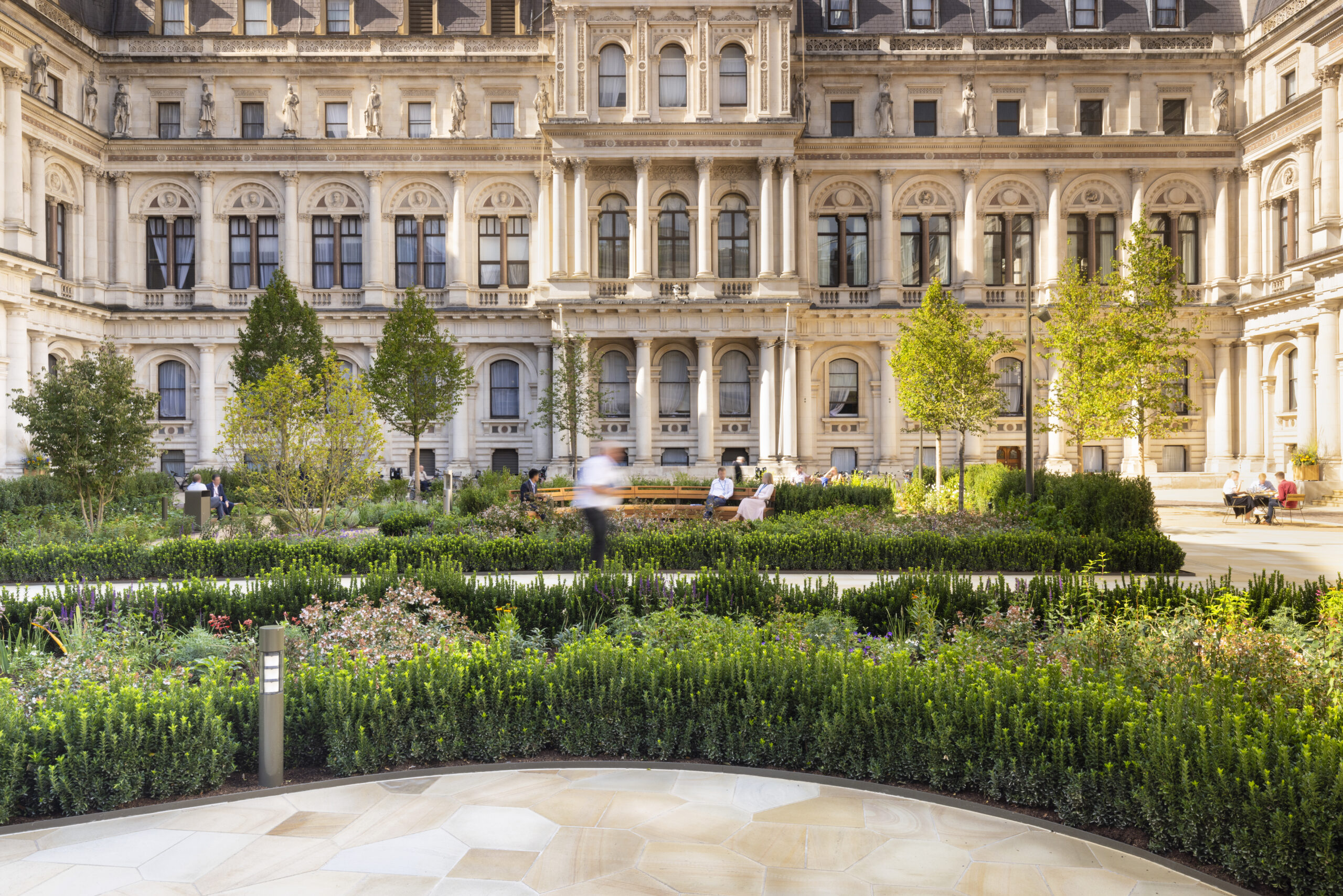
Urban Tree Planting: Creating the Conditions for Long-Term Success
The benefits of urban trees are increasingly recognised in national policy and local planning.
The Government’s announcement highlights that street trees can reduce air temperatures by as much as 4°C, while a mature tree can intercept more than 15,000 litres of rainwater annually, depending on conditions.
Alongside these benefits, trees contribute to biodiversity, air quality, public health and the overall quality of urban spaces.
But many of these benefits depend on trees successfully establishing and reaching maturity.
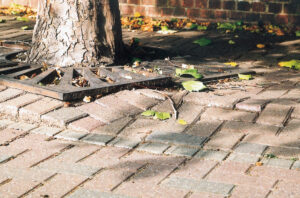
In urban environments, achieving this can be particularly challenging. Underground utilities, compacted soils, restricted rooting space and heavily engineered surfaces frequently limit the conditions available for healthy tree growth.
Providing the right growing environment from the outset is therefore essential.
Sufficient soil volume, appropriate soil quality, reliable water availability, access to oxygen and adequate rooting space all influence how successfully a tree establishes and develops.
Tree species selection must also respond to the conditions of each site, with soil requirements considered in relation to the tree’s anticipated mature size.
As new planting programmes are developed, incorporating these requirements into early design decisions can help reduce the risk of premature tree failure and protect the long-term value of the investment.
An Opportunity to Deliver More Through Green Infrastructure
The additional funding for Local Nature Recovery Strategies is particularly relevant when considering how urban greening can contribute to wider climate resilience objectives.
Across many towns and cities, the need to increase tree cover sits alongside growing pressure to manage surface water, improve biodiversity and adapt public spaces to changing weather patterns.
Where site conditions allow, these priorities can be considered together.
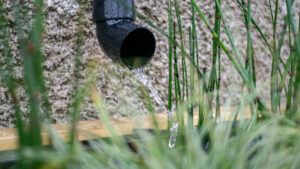
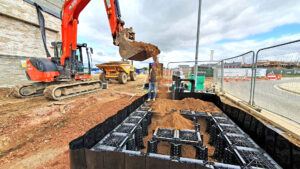
Integrating tree planting with nature-based Sustainable Drainage Systems (SuDS), including rain gardens and SuDS tree pits, can provide opportunities to manage surface water closer to its source while supporting urban vegetation.
By directing suitable surface water runoff into appropriately designed planting systems, schemes can help manage runoff, support healthy tree growth and contribute to more attractive and biodiverse streetscapes.
Successful integration requires careful consideration of soil conditions, water quality, drainage performance, available space and the needs of the surrounding infrastructure.
With Local Nature Recovery Strategies helping authorities identify environmental priorities, there is an opportunity for future projects to be developed around multiple, complementary benefits.

Making the Most of the Investment
The scale of the Community Trees Fund provides an opportunity to expand tree planting across England, including locations where the challenges of establishing healthy trees are greatest.
For local authorities and project teams, early coordination between landscape architects, engineers, arboricultural specialists and highways teams can help identify constraints before planting designs are finalised.
Long-term maintenance is equally important. Establishment watering, monitoring and appropriate aftercare should form part of the initial planning and budgeting process, ensuring that newly planted trees have the support they need during their early years.
Considering success in terms of tree establishment, survival and eventual canopy development, alongside initial planting numbers, can provide a more meaningful picture of the benefits delivered.
Looking Ahead
Further details of the Community Trees Fund, including application arrangements, are expected to be announced in due course.
For those planning future urban greening projects, the coming months offer an opportunity to review potential planting locations, consider below-ground requirements and identify where tree planting could complement wider environmental improvements.
With the right planning, design and long-term management, this funding has the potential to support urban trees that continue delivering environmental and community benefits for decades to come.
In the meantime, learn about learn about how to build a successful urban tree through our academy course.